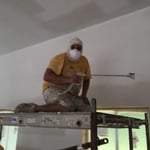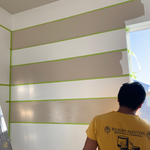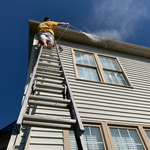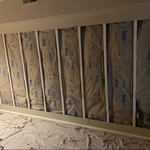
Top-rated drywall pros.

Get matched with top drywall pros in Seaford, VA

Enter your zip and get matched with up to 5 pros

Need a pro for your drywall service project in Seaford, VA?

Select your specific project to find the pro for you.

TRUSTED BY SEAFORD, VA HOMEOWNERS

  • Average homeowner rating star icon4.7
    Average homeowner rating
  • Verified reviews icon114
    Verified drywall services reviews

Find Drywall pros in Seaford

Avatar for Wilbers Painting
Wilbers Painting
4.8(
402
)

Serving Seaford, VA and surrounding areas

Approved

In business since 2016

Free estimates

Emergency services offered

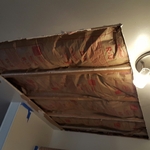
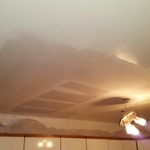
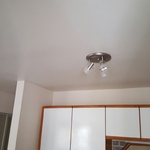
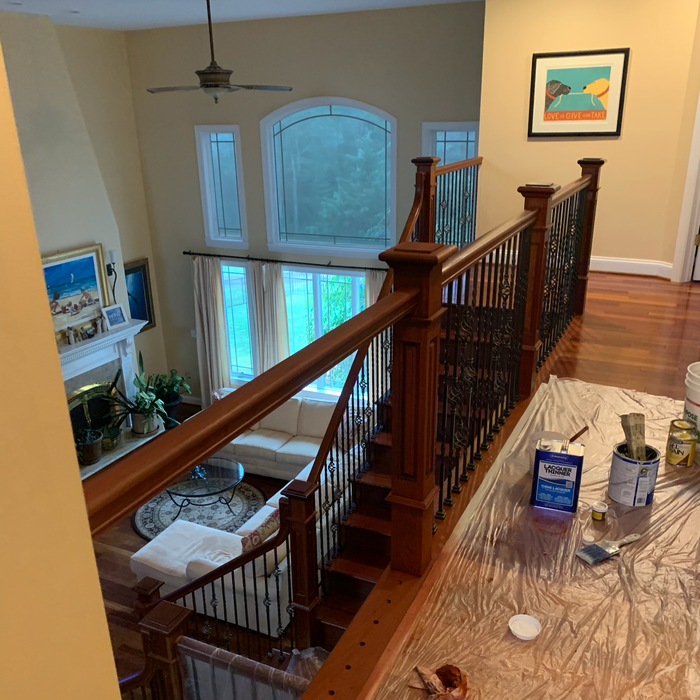
"The service was incredible. The response time was quick. He came out and gave an estimate within a day. The paint job and drywall repair looks amazing! They took care to protect our furniture and floors from drywall dust. I highly recommend them."
Additional Photos
Additional Photos
Additional Photos
Additional Photos
Additional Photos

+166

Response time2 days
2 neighbors recently requested a quote
Recommended by95%of homeowners
Avatar for Power House Painting and Home Improvement
Power House Painting and Home Improvement
4.6(
127
)

Serving Seaford, VA and surrounding areas

Approved

In business since 2009

Free estimates

Emergency services offered

"This was on a 2 story home. They were here for about a week. My house had led base paint, so they did a really good job with the led safe practices. Their pricing was good and comparable."
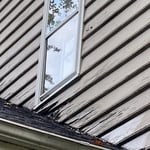
Rotten siding
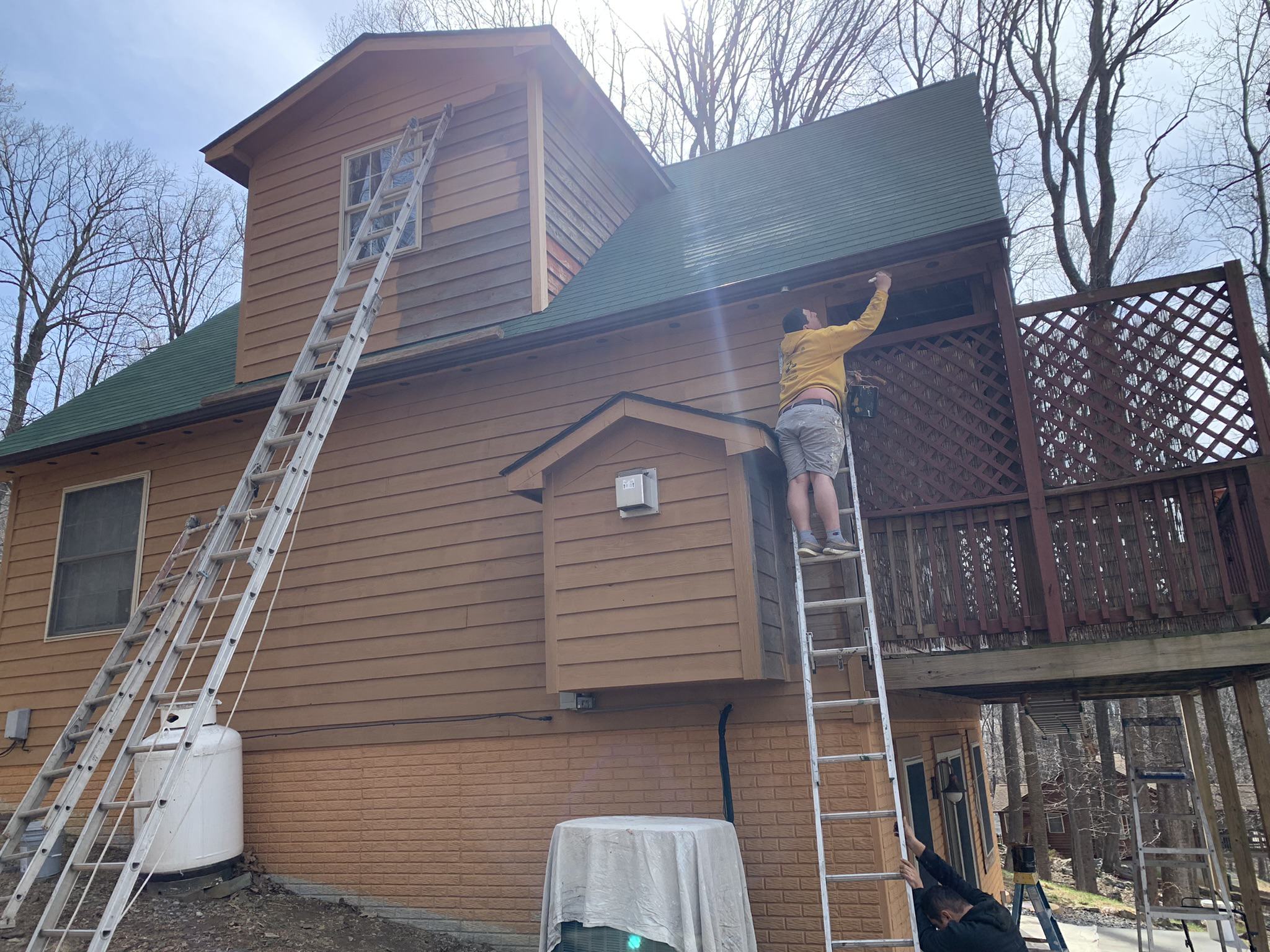
Rotten siding and deteriorated paint.
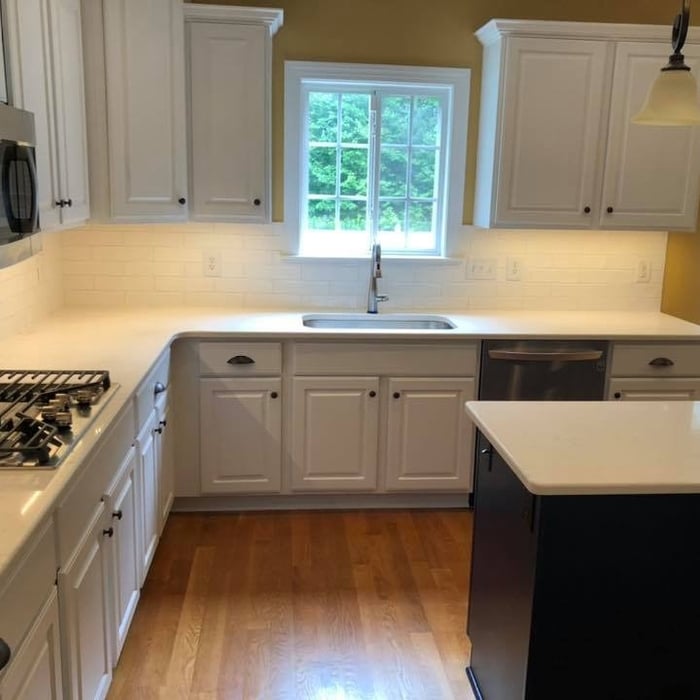
Kitchen Restoration
Kitchen Restoration
Kitchen Restoration

+29

Response time1 day
Response rate97%
2 neighbors recently requested a quote
Avatar for EMERALD STANDARD HOME REPAIR, LLC
EMERALD STANDARD HOME REPAIR, LLC
5.0(
5
)

Serving Seaford, VA and surrounding areas

Approved

Free estimates

Emergency services offered

Small jobs welcome

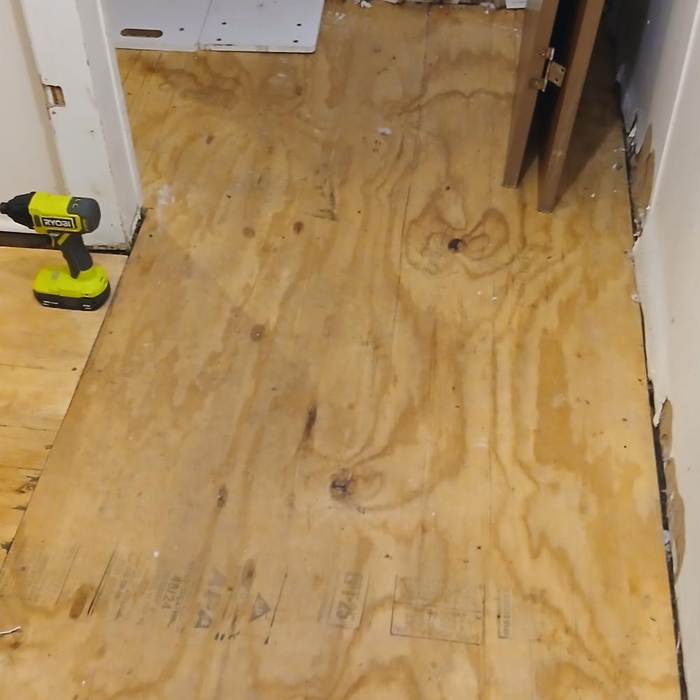
"Nick and his assistant are friendly, attentive, he doesn’t cut corners he's a total pro- on time, and he made the whole process completely stress-free. He completely repaired the drywall back to levels I can work with!! Look forward to working with him again on future projects. Nice to know there is some local talent with skills!! Some of the before and after."
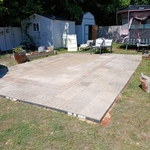
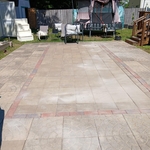
Backyard patio
Backyard patio
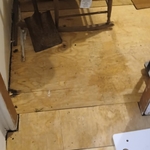
New lvp flooring
New lvp flooring
New lvp flooring

+18

32 neighbors recently requested a quote
...
Showing 1-10 of 239
Drywall questions, answered by experts

Although they have similar applications, spackle and joint compound are not the same. Their primary differences lie in their composition, consistency, and ideal use cases.

Spackle is composed of gypsum and binding agents, making it thicker than joint compound. It dries quickly and is easy to sand, which makes it ideal for small wall repair projects like filling nail holes or patching minor damage.

Joint compound, also known as drywall mud, consists of limestone and gypsum. It is primarily used for large-scale projects, such as taping and finishing the seams on newly installed drywall. It tends to shrink more than spackle and can be more difficult to spread.

While both products can be used to fill small depressions and cracks, spackle cannot replace joint compound for taping and mudding new drywall. Conversely, you can often use joint compound for small patching jobs typically done with spackle.

Plastering and skimming are two different techniques for finishing walls. Plastering involves applying a thick layer of a plaster mixture—typically containing gypsum, lime, cement, sand, and water—to create a new surface. This process often requires multiple coats and is used for repairing significant damage or creating decorative textures. Skimming, on the other hand, is a technique that involves applying a thin layer of drywall compound or joint compound over an existing surface to smooth it out, covering minor imperfections, small cracks, or uneven textures for a polished look. Plastering is generally more costly and labor-intensive than skimming. Although some people use the terms interchangeably, they refer to different processes and materials.

Whether you need drywall anchors depends on your specific project, particularly where you are hanging an item. Drywall anchors are not necessary if you can drive a screw directly into a wooden stud behind the wall, as the stud provides sufficient support. However, since studs are not present everywhere in a wall, you will need to use drywall anchors if you are hanging an object in a location without a stud. For very lightweight items, picture hanging strips can also be a suitable alternative.

Drywall can be toxic to the environment and to humans in some cases. As drywall breaks down in a landfill and comes in contact with other organic chemicals, it can create hydrogen sulfide gas or leach into the groundwater. Additionally, the CDC recommends methods for controlling the inhalation of drywall dust when handled. While the common ingredients of drywall—gypsum, silica, and mica—are naturally occurring, they can cause irritation in some humans.

You do not need to drywall over most types of garage insulation. However, doing so can increase noise reduction, make the space more attractive, and keep children and pets from touching harmful fiberglass insulation. If you’re using cellulose or some other type of blown-in insulation (fiberglass and mineral wool are common), you will need drywall to contain the insulation material.

The Seaford, VA homeowners’ guide to drywall services

From average costs to expert advice, get all the answers you need to get your job done.