
Top-rated drywall pros.

Get matched with top drywall pros in Grafton, VA

Enter your zip and get matched with up to 5 pros

Need a pro for your drywall service project in Grafton, VA?

Select your specific project to find the pro for you.

TRUSTED BY GRAFTON, VA HOMEOWNERS

  • Average homeowner rating star icon4.7
    Average homeowner rating
  • Verified reviews icon162
    Verified drywall services reviews

Find Drywall pros in Grafton

Avatar for Wilbers Painting
Wilbers Painting
4.8(
402
)
Drywall - InstallDrywall - Install - For BusinessDrywall - Repair+1 more

Serving Grafton, VA and surrounding areas

Approved

In business since 2016

Free estimates

Emergency services offered

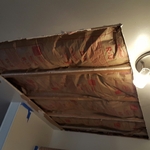
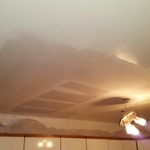
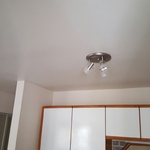
"The service was incredible. The response time was quick. He came out and gave an estimate within a day. The paint job and drywall repair looks amazing! They took care to protect our furniture and floors from drywall dust. I highly recommend them."
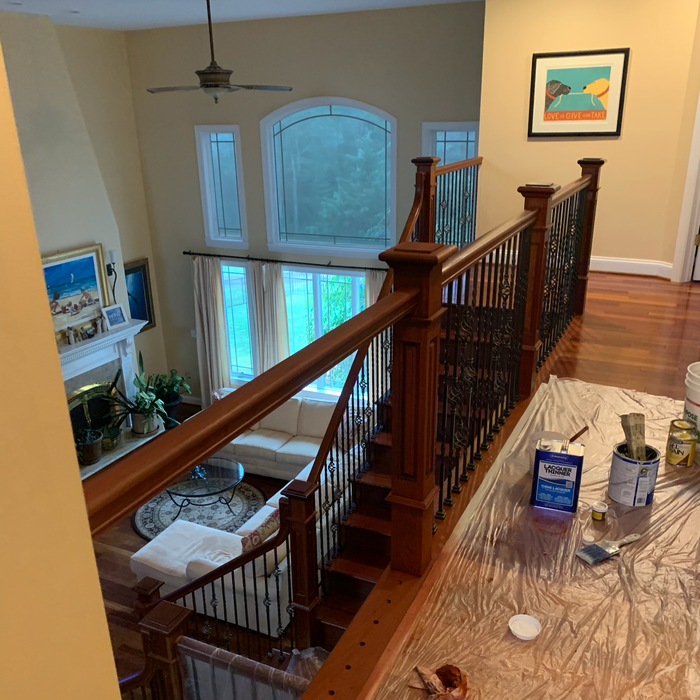
Additional Photos
Additional Photos
Additional Photos
Additional Photos
Additional Photos

+166

Response time2 days
2 neighbors recently requested a quote
Recommended by95%of homeowners
Avatar for Power House Painting and Home Improvement
Power House Painting and Home Improvement
4.6(
127
)
Drywall - Repair

Serving Grafton, VA and surrounding areas

Approved

In business since 2009

Free estimates

Emergency services offered

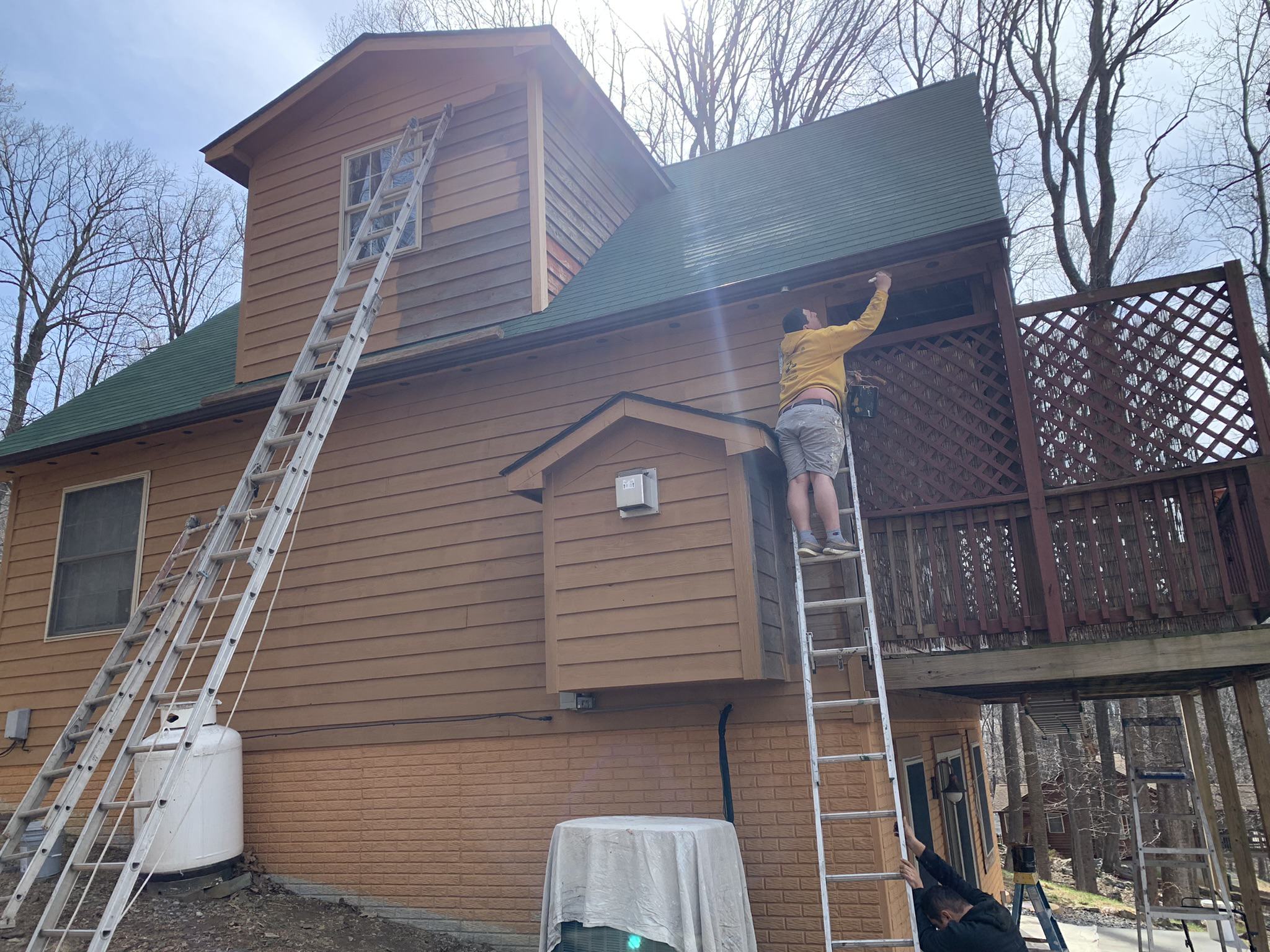
"This was on a 2 story home. They were here for about a week. My house had led base paint, so they did a really good job with the led safe practices. Their pricing was good and comparable."
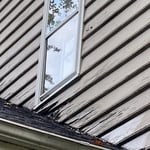
Rotten siding
Rotten siding and deteriorated paint.
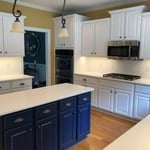
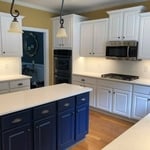
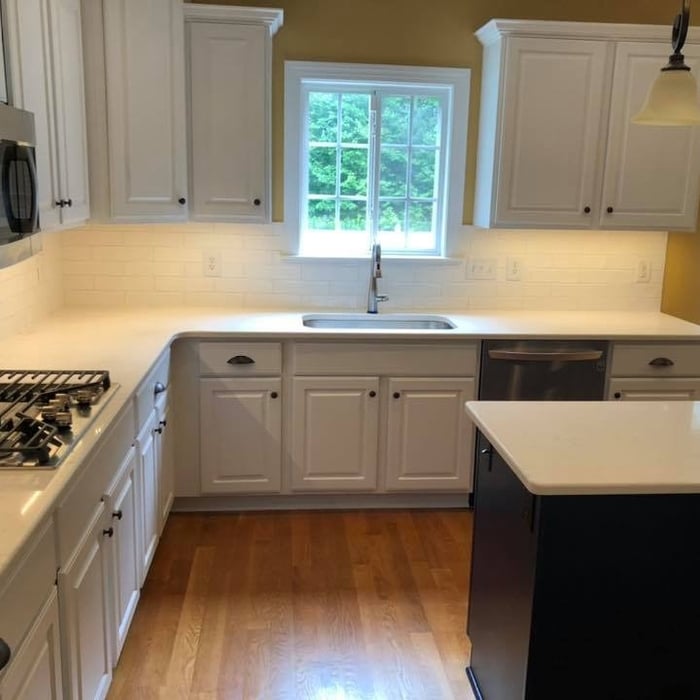
Kitchen Restoration
Kitchen Restoration
Kitchen Restoration

+29

Response time1 day
Response rate100%
2 neighbors recently requested a quote
Avatar for EMERALD STANDARD HOME REPAIR, LLC
EMERALD STANDARD HOME REPAIR, LLC
5.0(
6
)
Drywall - Repair

Serving Grafton, VA and surrounding areas

Approved

Free estimates

Emergency services offered

Small jobs welcome

"Nick and his assistant are friendly, attentive, he doesn’t cut corners he's a total pro- on time, and he made the whole process completely stress-free. He completely repaired the drywall back to levels I can work with!! Look forward to working with him again on future projects. Nice to know there is some local talent with skills!! Some of the before and after."
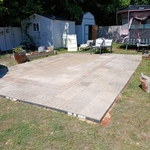
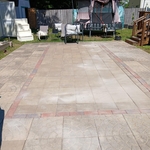
Backyard patio
Backyard patio
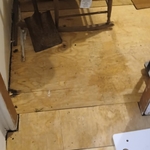
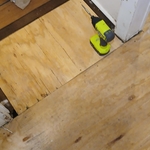
New lvp flooring
New lvp flooring
New lvp flooring

+18

78 neighbors recently requested a quote
...
Showing 1-10 of 275
Drywall questions, answered by experts

When choosing materials for finishing basement walls, consider factors such as moisture resistance, durability, and fire resistance. Opt for materials specifically designed for basement environments, like moisture-resistant drywall or cement board. Insulation with vapor barriers can help regulate temperature and prevent condensation. Consider using mold-resistant paints or coatings. 
Research and consult with experts to select materials that are suitable for your specific basement conditions and intended use. Prioritize quality and compatibility to achieve long-lasting and aesthetically pleasing results.

While it’s most common to sand plaster dry, it is possible to wet-sand plaster, too. Doing so can reduce the amount of plaster dust released into the air and make it easier to work in smaller, more delicate areas (such as around wall trim). However, some people find that wet sanding leads to more imperfections, which is why larger walls are more often dry sanded to ensure an even finish.

With its breathability and flexibility, lime plaster is among the most durable of all plaster types. It's also fire-resistant and has a proven track record, as people have been using it for thousands of years.

However, all plaster types will last for many years with the right care and treatment. Proper preparation and installation will also help ensure your plaster walls look great for as long as possible.
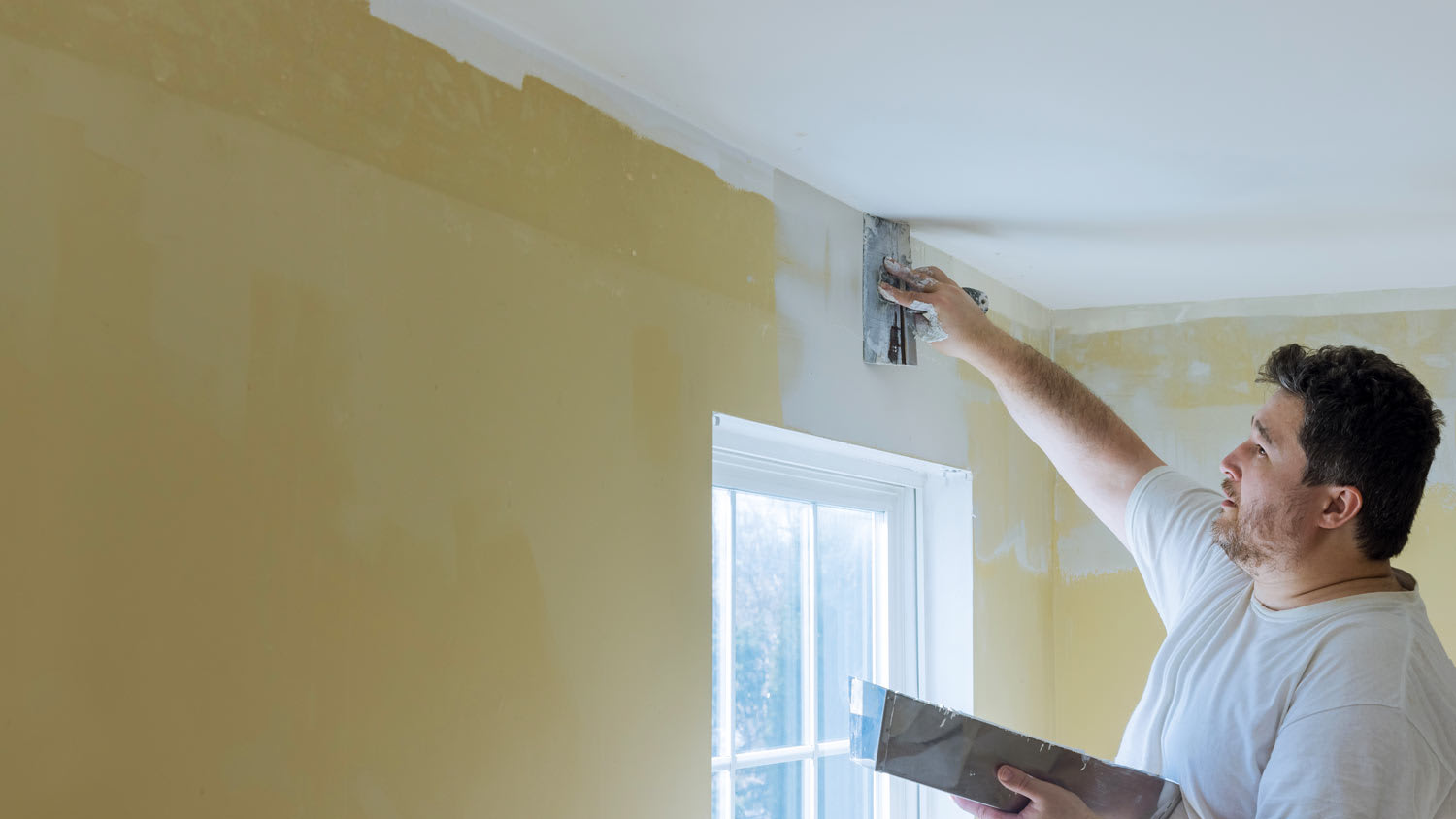
Although they have similar applications, spackle and joint compound are not the same. Their primary differences lie in their composition, consistency, and ideal use cases.

Spackle is composed of gypsum and binding agents, making it thicker than joint compound. It dries quickly and is easy to sand, which makes it ideal for small wall repair projects like filling nail holes or patching minor damage.

Joint compound, also known as drywall mud, consists of limestone and gypsum. It is primarily used for large-scale projects, such as taping and finishing the seams on newly installed drywall. It tends to shrink more than spackle and can be more difficult to spread.

While both products can be used to fill small depressions and cracks, spackle cannot replace joint compound for taping and mudding new drywall. Conversely, you can often use joint compound for small patching jobs typically done with spackle.

The best way to make long, straight cuts is to use a utility knife and a T-square to score the sheet, snap along the score, and then finish the cut by cutting through the paper on the opposite side with the utility knife. If you’re making small cuts, curved cuts, or cutouts for electrical boxes or light fixtures, you can use a manual jab saw to keep costs down, but an electric spiral saw or oscillating multi-tool will get the cleanest, fastest cuts possible.

The Grafton, VA homeowners’ guide to drywall services

From average costs to expert advice, get all the answers you need to get your job done.