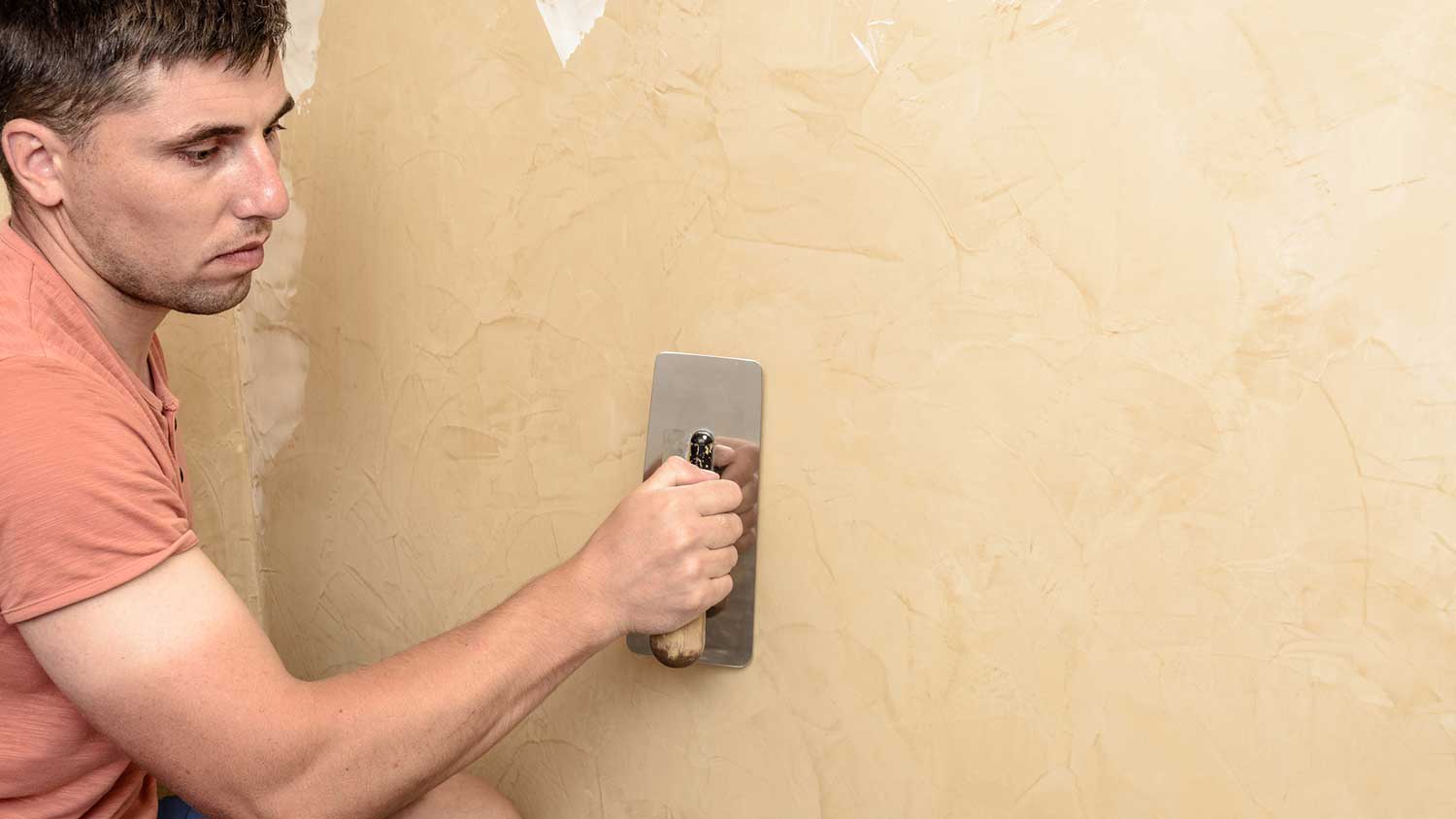
Top-rated drywall pros.

Get matched with top drywall pros in Carrollton, VA

Enter your zip and get matched with up to 5 pros

Need a pro for your drywall service project in Carrollton, VA?

Select your specific project to find the pro for you.

TRUSTED BY CARROLLTON, VA HOMEOWNERS

  • Average homeowner rating star icon4.1
    Average homeowner rating
  • Verified reviews icon29
    Verified drywall services reviews

Find Drywall pros in Carrollton

Lark D Drywall LLC
5.0(
6
)
Drywall - InstallDrywall - Repair

Serving Carrollton, VA and surrounding areas

Approved

Super Service Award Winner

In business since 2004

Free estimates

Small jobs welcome

"I had a fantastic experience with Lark D Drywall and I especially want to thank JL for his outstanding work! From start to finish, everything was handled with professionalism and care. The technician was not only fast and efficient, but also incredibly kind and respectful throughout the entire process. The quality of the work truly exceeded my expectations. The finish was smooth, clean, and flawless. It’s clear that he takes pride in his craft. I highly recommend this company to anyone looking for high-quality drywall work."
Response time2 days
1 neighbors recently requested a quote
Avatar for Power House Painting and Home Improvement
Power House Painting and Home Improvement
4.6(
130
)
Drywall - Repair

Serving Carrollton, VA and surrounding areas

Approved

In business since 2009

Free estimates

Emergency services offered

"From the first phone call I was impressed with the responsiveness and professionalism of Brian Martin and his entire team. Brian met with me virtually to discuss my expectations after he reviewed photos of my home. He emphasizes excellent customer service while providing a coordinated approach to the project. I was kept informed of each aspect of my project. The entire team of carpenters, the drywall specialist, and especially the painters were professional, punctual, trustworthy, and gave me a beautiful finished project. Extra credit goes to Joel Worthington, lead painter on my project. Not only was his work technically excellent, but he made several suggestions that markedly improved the decor. At the end of each day he thoroughly cleaned up so I could use my home comfortably and told me the next day's. Joel provided the kind of individual attention and care to me and my project that we all dream of receiving. I have recommended this company to my community and family and will use them again. Kudos to Brian for creating such an excellent experience during what can be a very stressful, worrisome time."
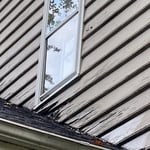
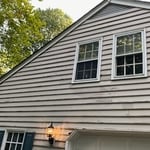
Rotten siding
Rotten siding and deteriorated paint.
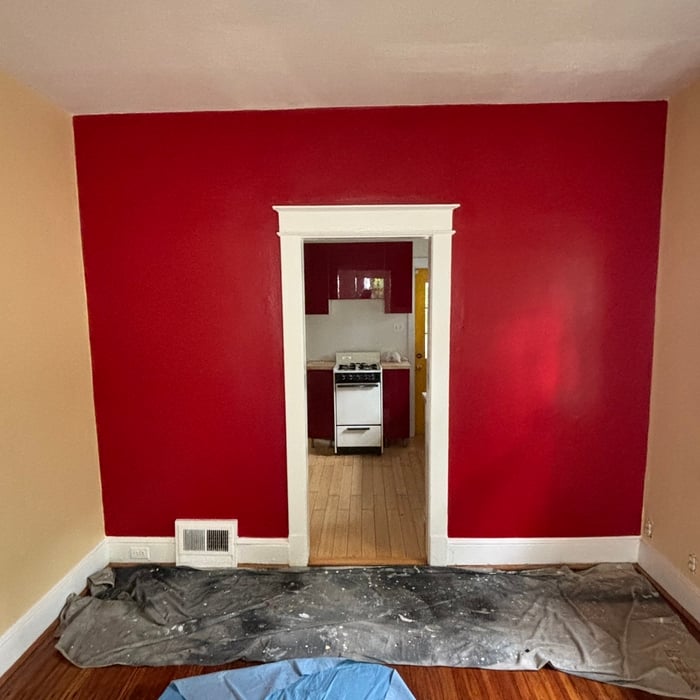
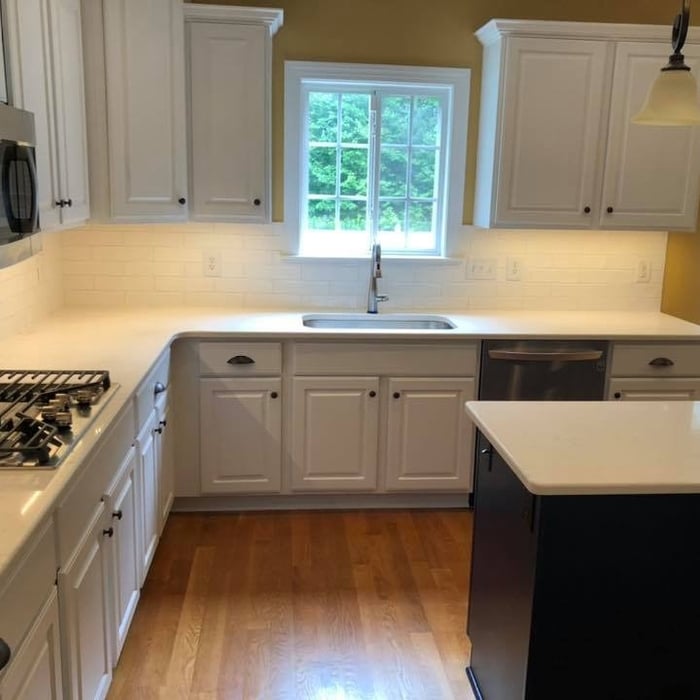
Kitchen Restoration
Kitchen Restoration
Kitchen Restoration

+29

Response time1 day
Response rate100%
1 neighbors recently requested a quote
...
Showing 1-10 of 260
Drywall questions, answered by experts

Furring strips, thin strips of wood or metal, are not always required for ceiling drywall installation. If the ceiling surface is even and in good condition, drywall can be directly attached to the ceiling joists using screws. However, furring strips become essential when dealing with irregular surfaces or when additional insulation or soundproofing is needed. They create a level substrate for attaching the drywall. Ultimately, the decision to use furring strips depends on the condition of the existing ceiling and the specific requirements of the project.

In framing, studs are placed at 16-inch intervals to coincide with the typical spacing of wall materials such as drywall or plywood. This spacing is called "on-center" and is necessary for maintaining structural stability and efficient use of materials. The 16-inch spacing also helps to distribute the weight evenly across the building's structure. For those looking to cut material costs and improve energy efficiency, 24-inch stud spacing can be employed through a method called "advanced framing". This requires careful planning and adherence to local building codes to ensure structural integrity.

If the holes in the plaster are small, you can fill them with layers of patching plaster until they’re filled. After it dries, you can sand the plaster and paint over it. If the hole is much larger, consider using bonding plaster first and then a layer of patching plaster, completing the process with sanding and a layer of paint.

There are a few ways to figure out if your walls are plaster or drywall, but the pushpin method is probably the easiest option. To try it, choose a part of your wall where you can insert a pushpin or thumbtack without leaving an obvious mark. If it goes in easily, you have drywall. But if the wall is tough to penetrate, that’s plaster.

The two most common drywall thicknesses for ceilings are 1/2-inch and 5/8-inch. For most standard residential applications, 1/2-inch drywall is sufficient and widely used. It provides adequate support and is lighter and easier to handle during installation compared to thicker sheets. However, 5/8-inch drywall is often used for specific cases where additional benefits are needed. It is heavier but provides superior sound dampening and fire resistance. You should consider using 5/8-inch drywall for ceilings in commercial buildings, between a garage and a living space, or above a finished basement to meet building codes or for enhanced soundproofing.

The Carrollton, VA homeowners’ guide to drywall services

From average costs to expert advice, get all the answers you need to get your job done.