
Discover the key differences between caulk versus spackle and learn when to use each for your home improvement projects. Get expert tips for a perfect finish.
Just fill it in and sand it smooth

Spackle dries rigid and works well for your drywall repairs, while putty flexes after drying to handle wood expansion and contraction.
Both spackle and putty cost around $7 for 8 ounces, making small drywall repair projects affordable for your home.
Spackle dries in hours and stands up to moisture in your bathroom, while putty takes 24 to 48 hours to dry.
Hiring a local drywall repair professional provides reliable guidance on filling holes and patching imperfections, keeping your walls looking smooth and finished.
If you have holes in your drywall, you’ll need to decide between spackle and putty when filling them in. Both materials serve the same purpose but have different properties that make them better suited to specific jobs. Rest assured, they’re both easy to use and cost-effective. Learn more about how to choose between spackle and putty in this guide.
At first glance, spackle and putty appear nearly interchangeable for repairing holes in drywall and wood. Both spackle and putty cost about the same amount—around $7 for 8 ounces—making drywall repair costs for small jobs affordable. They’re both sandable, and you can paint over them.
But if you look a little closer, you’ll see key differences that can help you decide which one to use. When spackle dries, it’s rigid and stands up well to moisture. You won’t have to wait long for it to dry. Putty, on the other hand, will flex, making it a better choice for fixing smaller imperfections in wood and drywall. It takes longer to dry, affecting your decision if you’re on a tighter schedule.
If you have large holes in your drywall, neither one may be the best option, and you’ll likely need to use a patch kit or call a local drywall repair contractor to take on the job.

Spackle is similar in composition to drywall and joint compound. It consists of gypsum dust mixed with calcium carbonate, quartz, vinyl, or titanium dioxide, forming a paste-like substance that fills holes and hardens quickly.
Spackle doesn’t flex once it’s dry and is moisture-resistant enough to use in bathrooms or other high-moisture environments. Once you paint over it, you likely won’t even know there was a hole. You can use lightweight spackle for smaller holes and heavy-duty spackle for larger holes.
| Pros | Cons |
|---|---|
| Dries quickly | Not suitable for areas that flex |
| Works well in high-moisture environments | Not the best choice to repair wood |
| Easy to apply | Not suitable for taping or finishing drywall |
Best for:
Homeowners who need to fill small- to medium-sized holes and cracks in drywall
Projects that need to move quickly
Bathrooms or other high-moisture environments
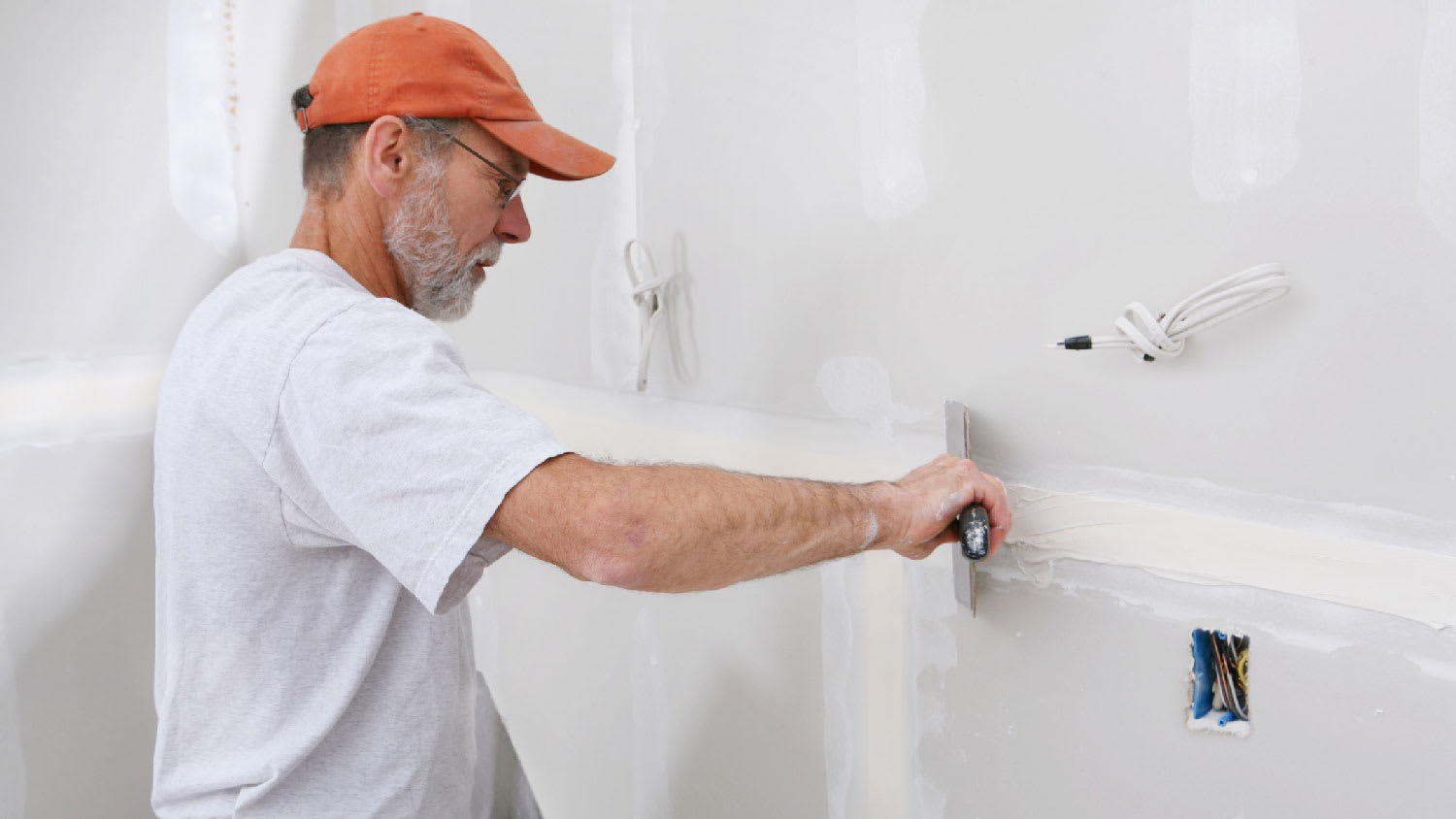
Spackle is easy to work with if you need to patch a hole in drywall. To apply it, use a putty knife to smooth the spackle into the hole and even it out with the wall. After it dries, which only takes a few hours, sand it smooth and paint over it.
Spackle is white, but you can also find colored spackle for better visibility. Colored spackle dries white, so you know when you can start sanding and painting. Once spackle hardens, it stands up well to moisture, making it a good choice for fixing drywall in a bathroom or other area with high moisture levels.
Spackle’s ability to dry quickly is often a plus, but it may not be the right choice if you need more time to work and smooth out a larger area. It’s very rigid after it dries, meaning it doesn’t flex. Therefore, it’s not the best choice for repairing wood that can expand and contract, and it doesn’t work for fixing large holes. It’s also unsuitable for taping drywall—that’s a job for joint compound.

Putty is an adhesive for filling in holes or cracks in drywall. It’s much thicker than spackle and flexes, so it’s ideal for repairing wood that will expand and contract. You can also use it as an adhesive to hang pictures or signs in areas where you don’t want nail or tack holes. Putty isn’t best for filling large holes, but it works well for filling in screw or nail holes. Then, you can sand the area until it’s flush with the wall and paint it to match.
| Pros | Cons |
|---|---|
| Suitable for wood and drywall | Requires longer dry times |
| Easy to apply | Not waterproof |
| Options for a variety of applications | May not match the original wood |
Best for:
DIYers fixing holes in material that may expand, contract, or flex
Small holes or cracks in drywall or wood
Mounting pictures or signs on the wall
Putty is reminiscent of Silly Putty and can fill small holes and cracks in drywall and wood. Putty flexes after it dries, so it’s ideal for filling nail holes in areas that expand or flex, such as baseboards, trim, or window sills. You can press putty into holes with a putty knife or twist and form it to repair deeper holes. The consistency of putty allows it to settle around nails or screw heads and any nooks and crannies.
After the putty is dry, you can sand and paint it to match the rest of the space. If you’re using it on wood, you can stain it to match the original surface.
Even though you can stain putty, it doesn’t absorb stain the same way natural wood will, so there may be a discrepancy in the appearance of the putty and the original wood. Not all putty is moisture resistant, so only use it in areas with low moisture levels. Putty takes quite a while to dry—between 24 and 48 hours—so if you’re in a hurry, this may not be the best option.
Choosing between spackle and putty will depend on the material you’re working with. Overall, they achieve the same result of filling holes and patching small imperfections. But depending on the material you’re fixing and the appearance you’re going for, one of these products will work better than the other.
Both spackle and putty provide a simple way to fill a hole or crack in drywall. Simply use a putty knife to put a little of the material into the hole you need to fill, scrape off any the excess, and smooth it out. Wait the recommended dry time—a few hours for spackle or 24 to 48 hours for putty—and you can sand and paint it to match the surrounding surface.
Both of these materials do the job of filling in holes and look great while doing it, especially because you’ll likely paint over them. Spackle has a slight advantage because it does a great job blending in with the original material after you sand and paint it. Putty, when used for stained wood, may not match the original wood even if you stain it the same color.
Spackle and putty cost around $7 for 8 ounces. Because they’re so easy to use, you can save money by fixing the drywall yourself rather than hiring a pro, as long as the repair area is small. You’ll also need sandpaper and possibly paint or stain to finish the surface.
Wood expands and contracts with fluctuations in temperature and moisture. When spackle dries, it becomes rigid and won’t flex with the wood. However, putty is manufactured to flex, so when the wood moves, the putty won’t crack as easily as spackle would.
Whether spackle or putty is more durable depends on the material you’re repairing. They both work well on drywall unless it’s in a moist environment like a bathroom or kitchen. Spackle is more durable in these environments because it dries into a hard, rigid surface that won’t be affected by moisture. Putty is more durable on wood because it will flex with the contraction and expansion of the wood, making it less prone to cracking.
Cancelled appointment two hours after they were supposed to come for drywall work.
 Hutch And Sons Drywall Services
Cole has been handling plumbing and general contracting for our four properties over the past three years, and he’s always done a great job. Most recently, he installed a sink and countertop in our retail store where none existed before, and it turned out exactly how we needed. He’s...
 ANB Renovations LLC
I would recommend this company to anyone! He showed up on time, was friendly, completed a very difficult repair on our dryer vent cover, was responsive, and pricing was extremely fair and competitive. I would have him back to do any of our repairs or cleanings without hesitation!
 U.S.A. Dryer Vent, LLC
I cant stop admiring my newly painted walls. Custom Paint Jobs LLC made my house feel brand new.
 Custom Paint Jobs, LLC
Excellent experience with hiring Tether House to Mount our 77’ Samsung TV in our bedroom. Fast, friendly, and knowledgeable. Highly recommend.
 Tether House
Excellent customer service and knowledge. I was recommend to him from my neighbour. My front door and window came in great and were installed beautifully perfectly, I m very satisfied with their excellent work, so decided to order one more big bow window for my living room. I cant wait for...
 Window Depot USA of Central Ohio
Would hire again. Wall looks great. Happy with job.
 Central Paving
Involved an extensive bathroom remodel, including removing tub & installing walk in shower, new drywall, custome tile work to ceiling, plumbing, etc. Overall, job was done on time and on budget. Nick & his team were very professional and had high attention to detail. Quality was great. Highly...
 Stamos Flooring and Remodeling LLC
We have had a great experience with Rising Height for the past five years on a number of miscellaneous renovation projects. They laid flooring for us and had a very good sub do the finish. Installed drywall for a vaulted ceiling, finished an attic/loft with new subfloor, framing and drywall,...
 Rising Height Unlimited
Mr. Lopez was super nice and professional. He repaired our drywall just as he described during the estimate phase. Our dining room wall looks great again! Thanks Mr. Lopez!
From average costs to expert advice, get all the answers you need to get your job done.
Discover the key differences between caulk versus spackle and learn when to use each for your home improvement projects. Get expert tips for a perfect finish.
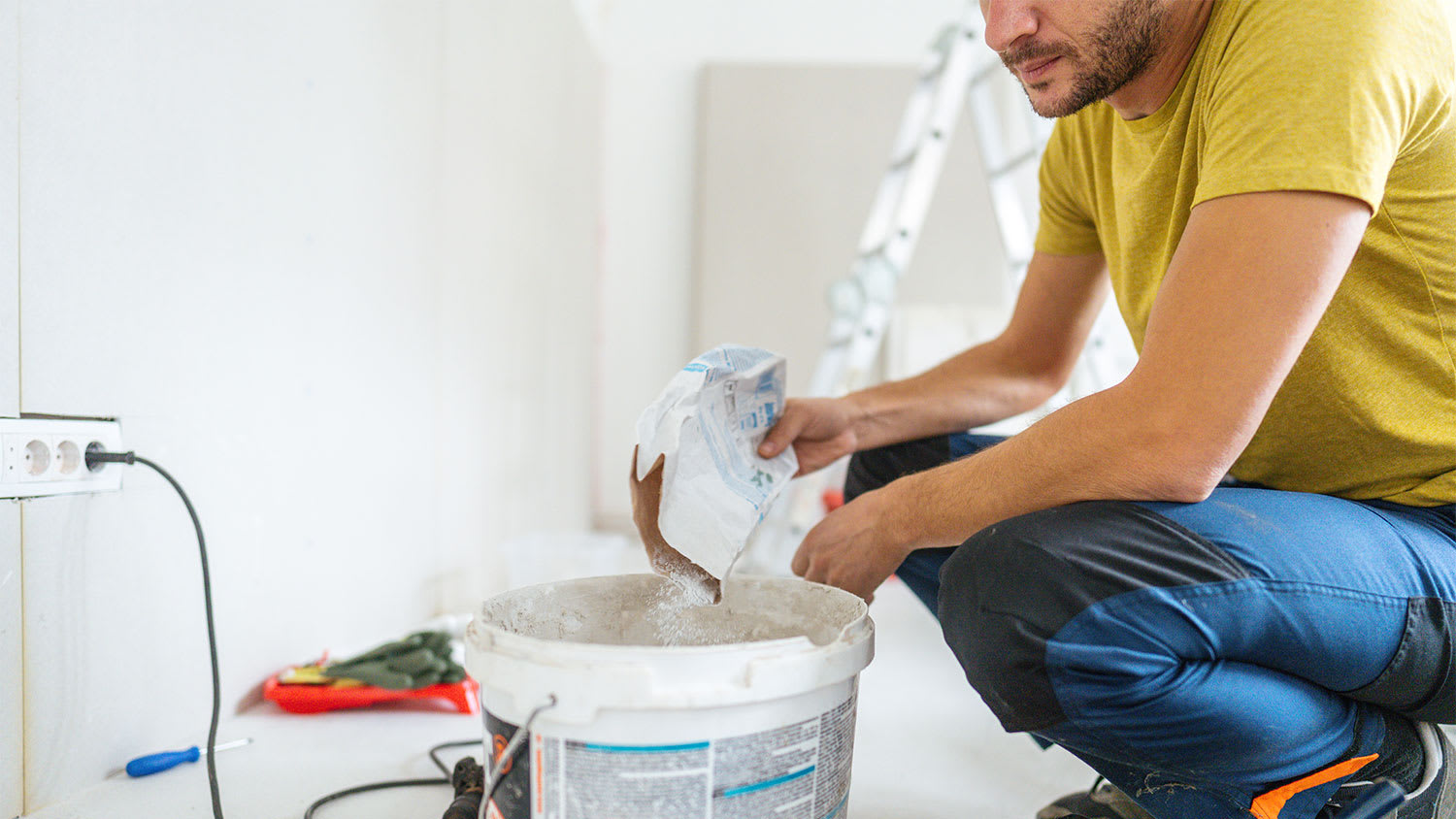
As you prep for your next drywall project, you may be considering joint compound versus spackle. Here's how to decide which one is the best choice for you.
Understanding the difference between plumber's putty and silicone will help you choose the right one for the job—read on to find out more.

Knowing what supplies you need to paint a room can keep your project rolling smoothly. This list will help set you up for a successful paint project.
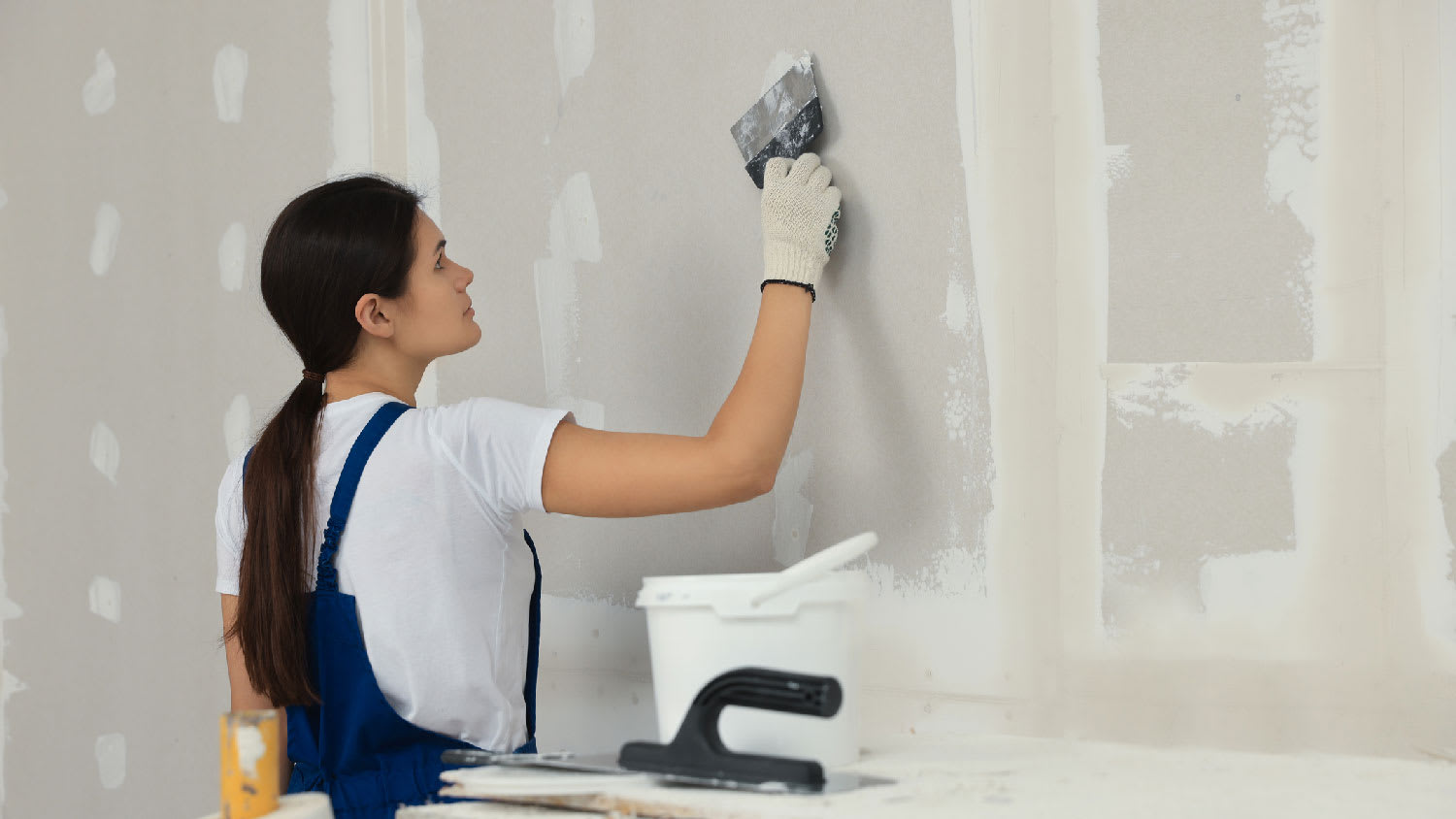
Got a hole in the wall? Learn how to spackle a hole in the wall and have it looking like new in almost no time.
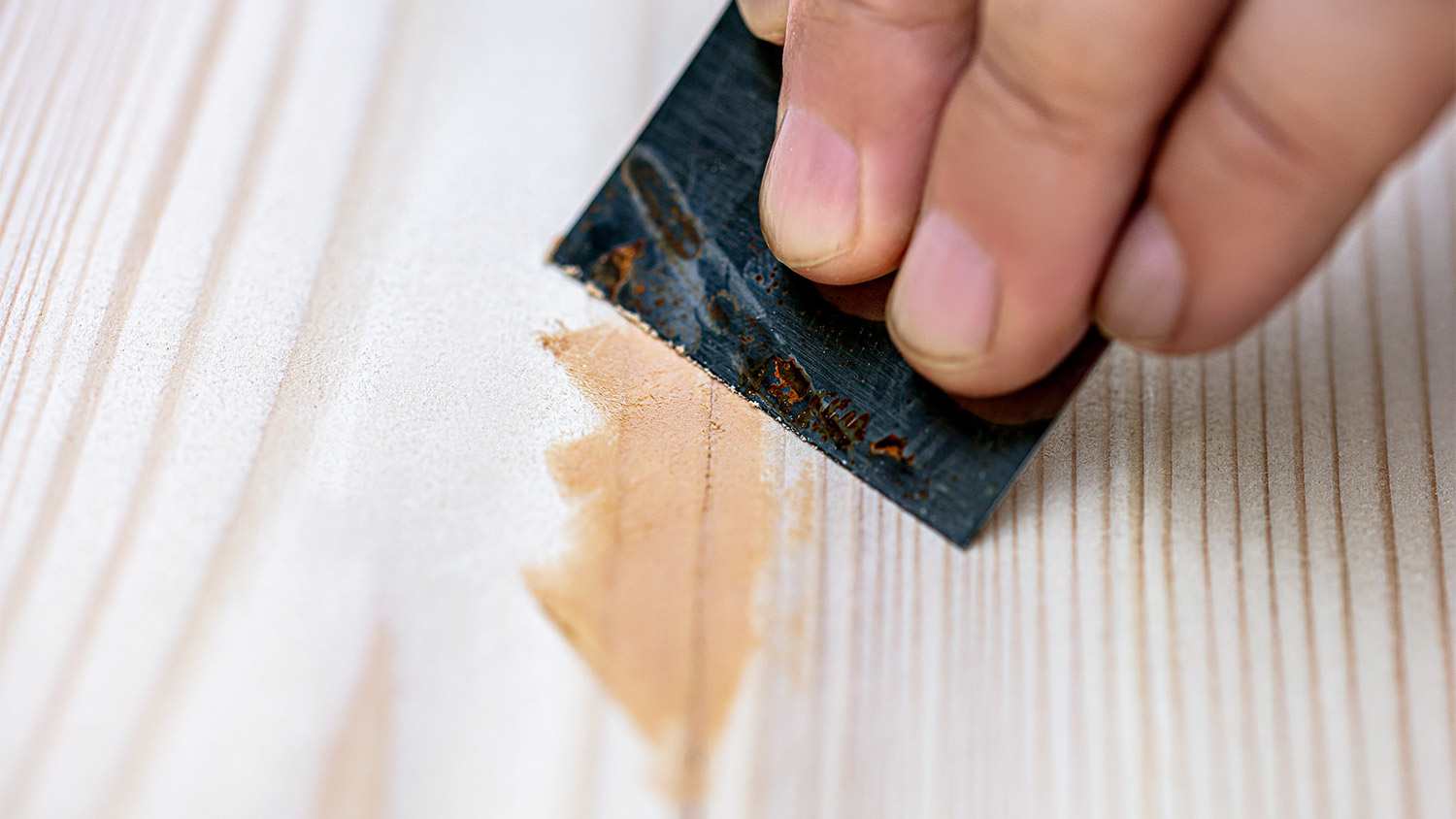
A decision between wood putty vs. wood filler can be tough. Find out the differences between the two products in this guide.