



Top-rated excavation pros.

Get matched with top excavation pros in Bristol, VA

Enter your zip and get matched with up to 5 pros

Need a pro for your excavation project in Bristol, VA?

Select your specific project to find the pro for you.

TRUSTED BY BRISTOL, VA HOMEOWNERS

  • Average homeowner rating star icon4.9
    Average homeowner rating
  • Verified reviews icon17
    Verified excavation services reviews

Find Excavation pros in Bristol

B&B Excavating
5.0(
1
)
Building Site - Preparation and ClearingBuilding Site - Preparation and Clearing - For BusinessExcavation - Major Grading or Resloping+2 more

Serving Bristol, VA and surrounding areas

In business since 2016

Free estimates

Credit card accepted

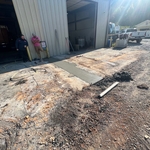
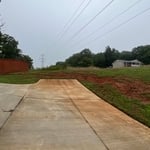
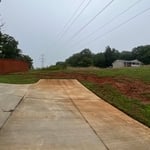
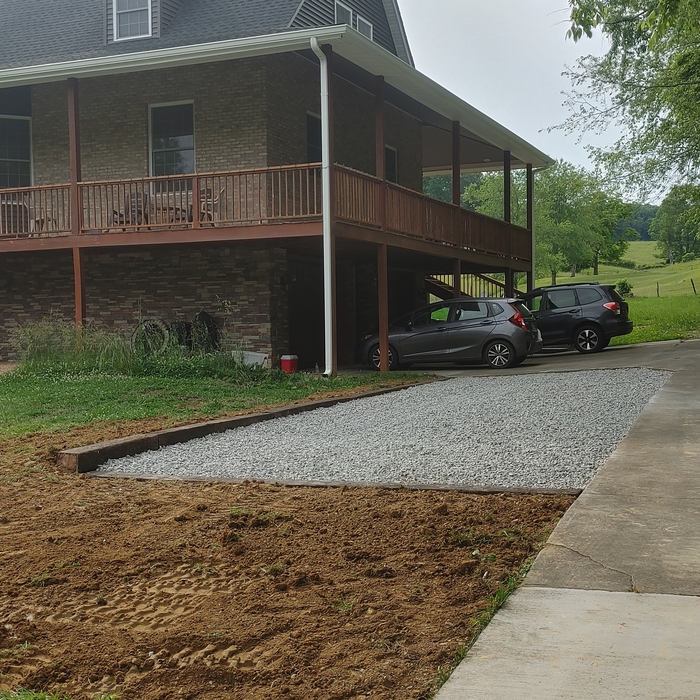
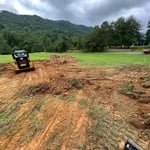
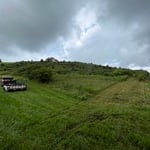
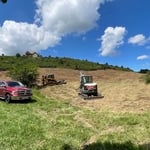
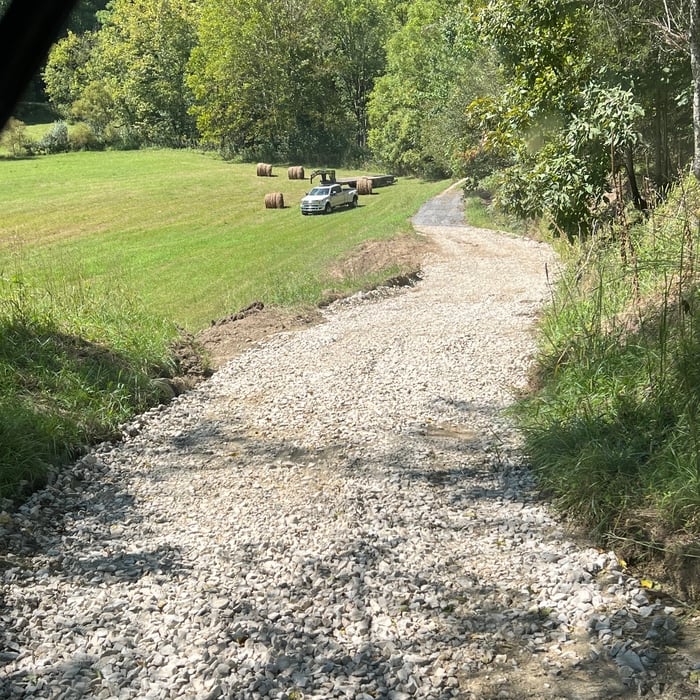
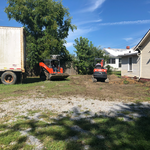
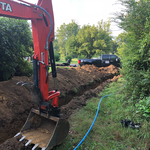
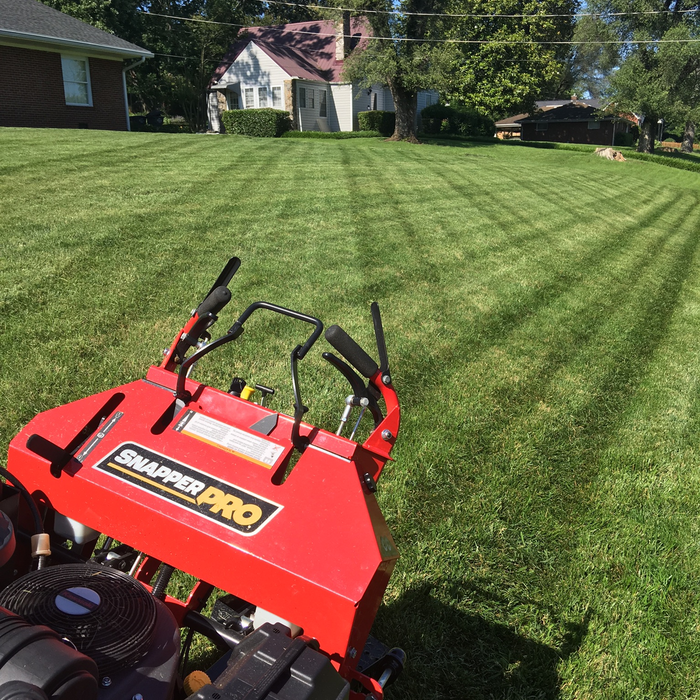
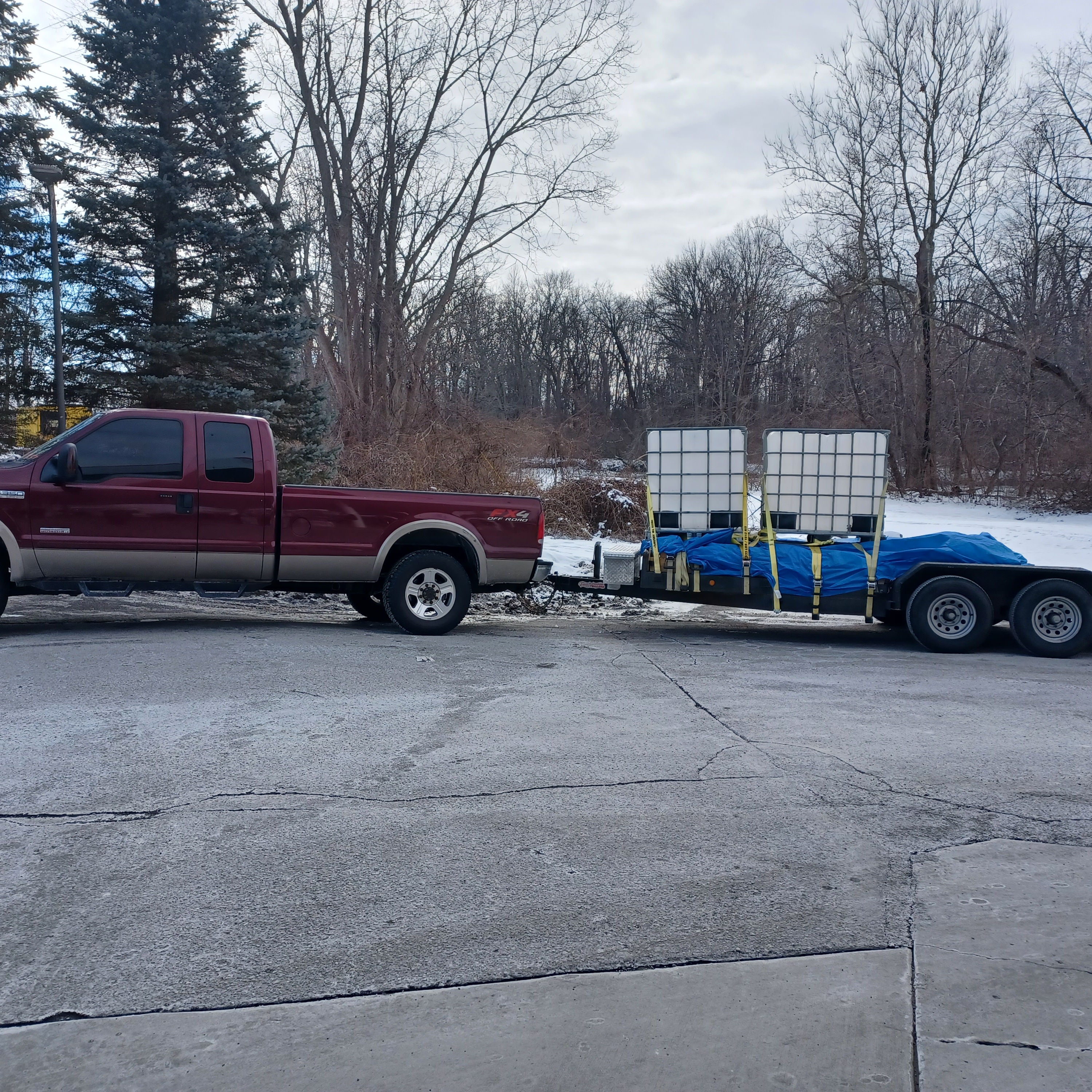
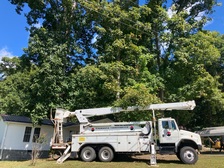
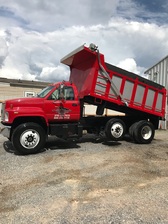
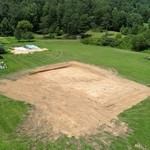
We do all phases of dirtwork which includes: excavating, lot clearing, basments, footers, sewer installations, sewer repairs, grading, driveways, land clearing.\nBeen doing this line of work since the 1960s so theres plenty of experience. Owner operated \nFree estimates

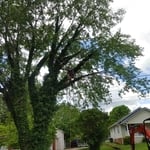
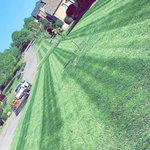
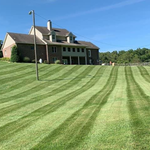
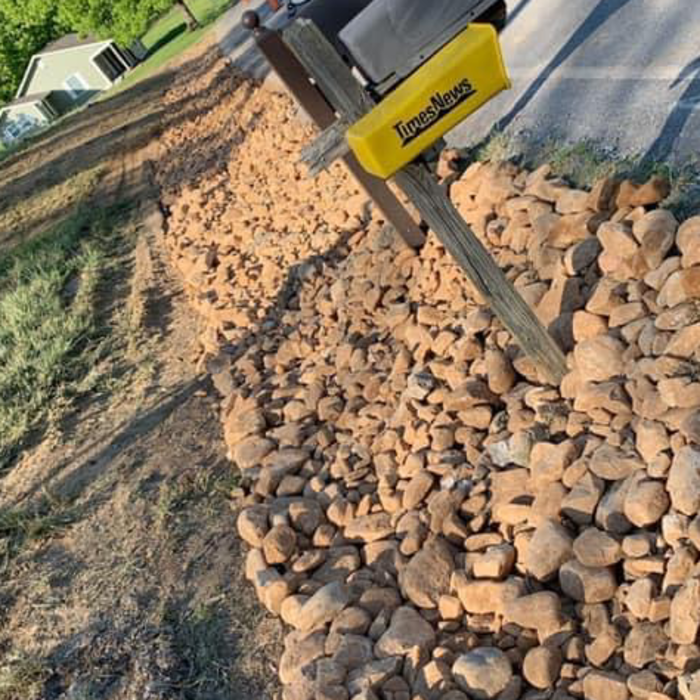
Additional Photos
Recommended by100%of homeowners
Showing 1-10 of 30
Excavating questions, answered by experts

Water lines are buried at various depths, depending on the type of line. For example, most sprinkler lines are buried between four and 12 inches underground. On the other hand, water mains usually sit between one and 3 feet below ground. However, they can go even deeper in cold climates to prevent freezing.

Sewer lines can be buried anywhere from 18 inches to 8 feet deep, with a common average depth between 18 and 30 inches. The exact depth depends on local factors like climate and soil type. In colder regions, pipes must be buried deeper (below the frost line) to prevent freezing, sometimes as deep as 8 feet. The digging depth can also impact the cost of sewer line replacement. To find the specific depth for your property, you can check the building plans for your system, which should be on file with your city or local sanitation department since permits are required for installation.

Because decomposed granite is a durable material, a crushed rock or gravel base is optional as long as the DG is properly installed and compacted. However, installing a base is a good idea because it will ensure proper drainage and stability and act as a weed suppressant (although you may still occasionally have to pull weeds). Installing an adequate base can also increase the durability of driveways and walkways. If you forego the paver base or gravel underneath, line the area with landscaping fabric to avoid weeds.

You can bury underground electrical wire six inches deep—but only if you use a rigid metal electrical conduit. For rigid, non-metallic conduits, bury the wire at least 12 inches deep. If using an underground feeder cable rated for direct burial, you'll need to place it at least 18 inches deep, as it has no conduit for extra protection.

Trenching is a specific kind of digging. Trenching means digging a depression in the earth that’s deeper than it is wide, often with heavy machinery. Digging refers to any kind of removal of earth in order to create a human-made depression, hole, or cut in the earth’s surface. You can dig with big tools or even with just a hand shovel.

The Bristol, VA homeowners’ guide to excavation services

From average costs to expert advice, get all the answers you need to get your job done.