


Top-rated excavation pros.

Best excavation pros near Butler, TN

Enter your zip and get matched with up to 5 pros

Need a pro for your excavation project in Butler, TN?

Select your specific project to find the pro for you.

TRUSTED BY BUTLER, TN HOMEOWNERS

  • Average homeowner rating star icon4.9
    Average homeowner rating
  • Verified reviews icon26
    Verified excavation services reviews

Top-Rated Excavation pros in Butler - Updated Nov 2026

Mountain City Excavating & Paving, LLC
5.0(
2
)
Building Site - Preparation and ClearingLandscape - Minor Grading or Resloping

Serving Butler, TN and surrounding areas

Approved

In business since 2006

Customers say: Quick response

"Daniel came to my house he gave me a very fair estimate to cut some trees around my house. Two days later him and his uncle showed up. They were very polite they did a really good job. They made sure I was satisfied with their work. I would definitely recommend this business."
Response time2 days
Response rate91%
6 neighbors recently requested a quote
Avatar for Plumb EZ
Plumb EZ
4.3(
22
)
Building Site - Preparation and ClearingBuilding Site - Preparation and Clearing - For BusinessExcavation - Major Grading or Resloping+2 more

Serving Butler, TN and surrounding areas

In business since 2020

Credit card accepted

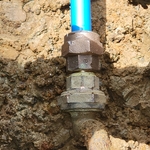
"Plumb EZ was an excellent choice for completing my plumbing needs. Daniel was willing to work on a Sunday and also stay after business hours to complete the job. The job was completed in a timely manner with a fair price. I will use Plumb EZ in the future and will recommend others use Plumb EZ as well."
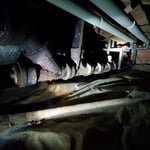
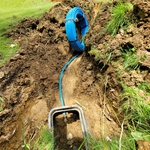
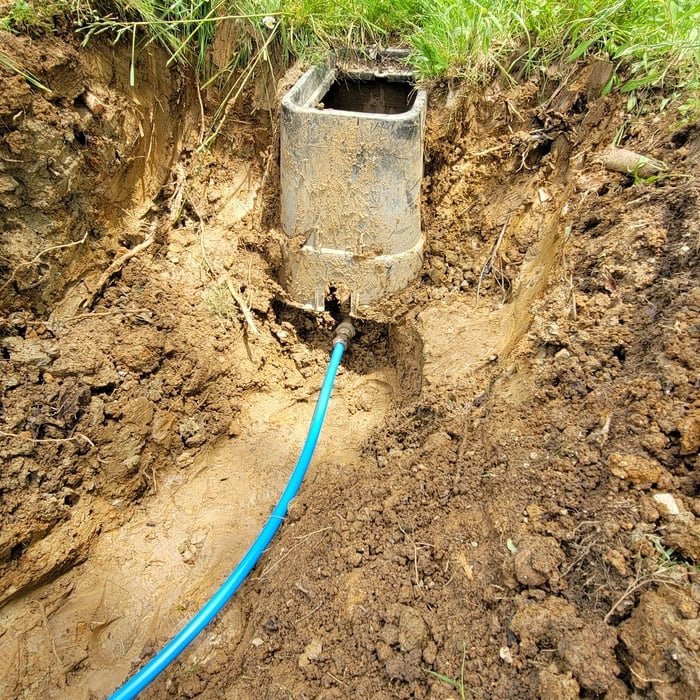
Water Main
Cast Iron
Water Main
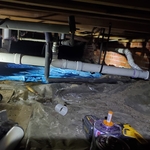
Sch. 40 Installed to replace old cast iron
Water Main

+29

Recommended by89%of homeowners
...
Showing 1-10 of 63
Excavating FAQs, answered by experts

The digging depth will depend on the size of the trencher you use. Even smaller units can dig up to 4 feet deep, which is plenty for a DIY job. However, much larger trenchers can reach a depth of 18 feet and are better used by a team of pro contractors, not a single DIYer. As with all home improvement projects, use the right tool for the job and proceed with caution.

The best type of soil to build on is a mixture of sand and clay, known as loam soil. Loam soil has the best combination of these soil types to build a foundation on. The clay particles help with water retention, so it won’t erode like sandy soil might, and the sandy particles help with drainage, so you won’t see unsafe soil expansion or have an increased risk of leaks from water sitting against your foundation.

The physical constraints of hand-drilling a well limit the depth you can achieve. Manually digging with picks and shovels may only lead to shallow wells of up to 60 feet in depth. To reach greater depths, you need more specialized equipment. The diameter of your well and the tools you’re using will determine how far down you can dig.

Professional installers often include a deep layer of crushed gravel under permeable pavers to allow more runoff to soak through into the soil below. Many installations will include multiple layers of gravel, with coarser aggregate at the base and finer aggregate that sits on top of that bottom layer. Above the gravel, you’ll often find coarse sand that helps reduce paver shifting over time. Some permeable paver designs include a water collection system set into the gravel layer to route runoff to a safe area for disposal.

Tree experts don’t advise against digging through tree roots, but instead encourage caution and consultation with a local arborist to make sure you don’t damage the tree’s structure or interrupt its water or nutrient intake. An arborist can recommend specific practices when digging and help prune the roots or dig a trench for utilities with a tool that can remove soil without touching the tree’s roots.

The Butler, TN homeowners’ guide to excavation services

From average costs to expert advice, get all the answers you need to get your job done.