

Top-rated excavation pros.

Best excavation pros near Weber City, VA

Enter your zip and get matched with up to 5 pros

Need a pro for your excavation project in Weber City, VA?

Select your specific project to find the pro for you.

TRUSTED BY WEBER CITY, VA HOMEOWNERS

  • Average homeowner rating star icon4.3
    Average homeowner rating
  • Verified reviews icon18
    Verified excavation services reviews

Top-Rated Excavation pros in Weber City - Updated Nov 2026

Avatar for Broadys Dirtworx LLC
Broadys Dirtworx LLC
5.0(
10
)
Excavation - Major Grading or ReslopingBuilding Site - Preparation and ClearingBuilding Site - Preparation and Clearing - For Business+2 more

Serving Weber City, VA and surrounding areas

Approved

In business since 2021

Free estimates

Emergency services offered

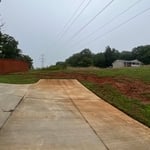
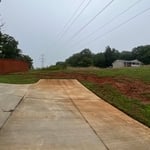
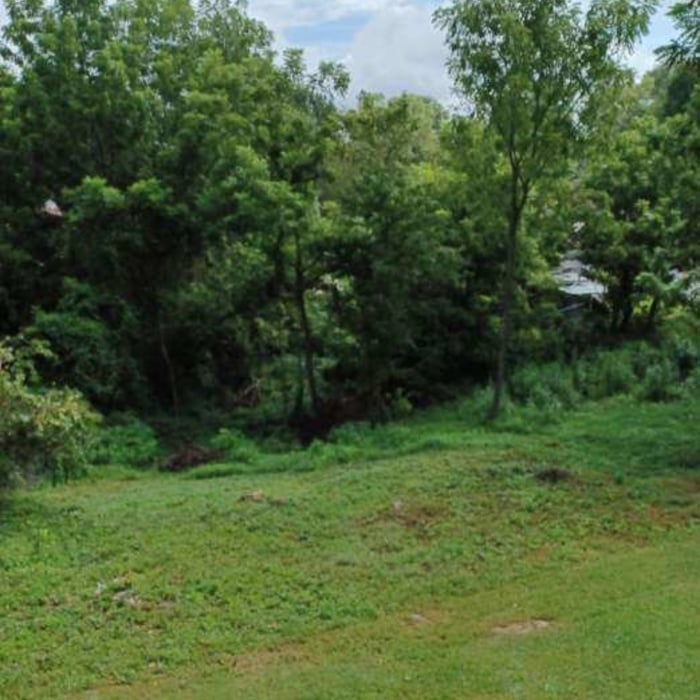
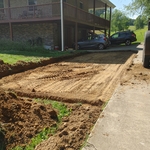
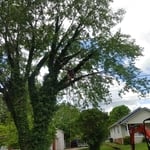
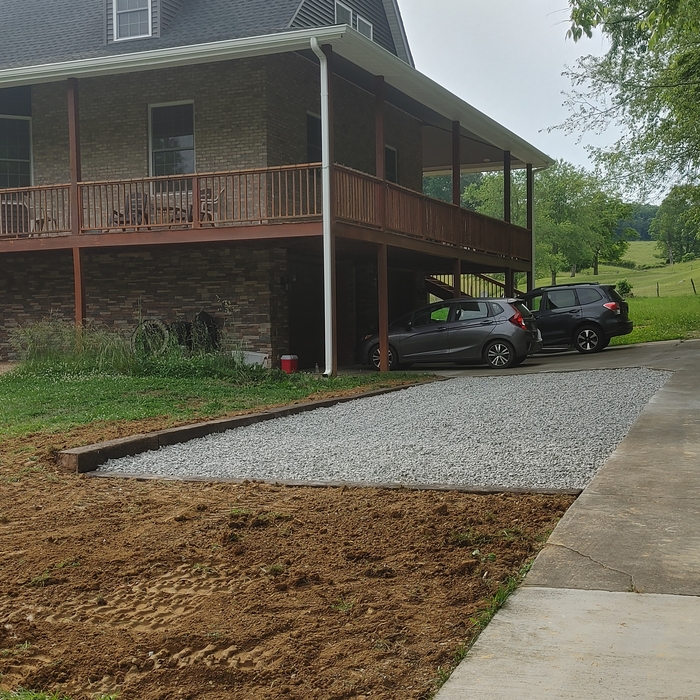
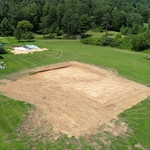
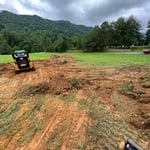
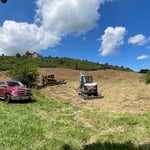
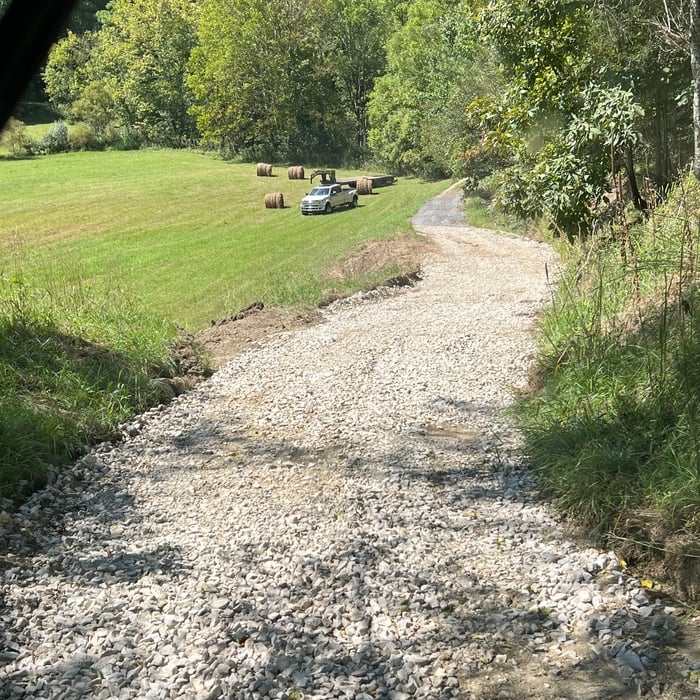
"They are a father and son team. They show up when they say they will. They are hard workers and know what they are doing. My backyard was a disaster, very uneven, full of rocks/boulders and had a really bad slope. I couldn't mow it with my mower. I had to weed wack it. I had them come in and grade,fill and put top soil down. It looks fantastic and is now mow able. They also did a driveway for me. They are very fair with pricing. I highly recommend them."
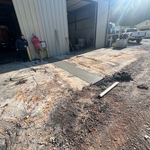
Excavating Project
Excavating Project
Landscaping Project
Excavating Project
Landscaping Project

+11

4 neighbors recently requested a quote
Recommended by100%of homeowners
C&C land clearing and excavation
New to Angi
Building Site - Preparation and ClearingBuilding Site - Preparation and Clearing - For BusinessExcavation - Major Grading or Resloping+2 more

Serving Weber City, VA and surrounding areas

With over 10 years of experience, C&C Land Clearing and Excavation is your go-to contractor for excavation, trenching, and drainage solutions in the Tri Cities and western North Carolina area . We understand the importance of building a solid foundation and offer expert land clearing and dirt work to set your project up for success. We are known for our responsiveness, fair pricing, and high-quality results. Your site will be handled with care and precision.

Avatar for Ameri-Con Inc.
Ameri-Con Inc.
New to Angi
Building Site - Preparation and ClearingBuilding Site - Preparation and Clearing - For BusinessExcavation - Major Grading or Resloping+2 more

Serving Weber City, VA and surrounding areas

Free estimates

Emergency services offered

\n“Professional excavation services with a focus on quality, safety, and reliability. We specialize in site preparation, grading, trenching, land clearing, drainage solutions, and foundation excavation. We take pride in delivering efficient work, clear communication, and dependable service to get your project done right the first time.”

Showing 1-10 of 21
Excavating FAQs, answered by experts

You can bury underground electrical wire six inches deep—but only if you use a rigid metal electrical conduit. For rigid, non-metallic conduits, bury the wire at least 12 inches deep. If using an underground feeder cable rated for direct burial, you'll need to place it at least 18 inches deep, as it has no conduit for extra protection.

In the United States, a depth of 36 inches (three feet) for underground water lines is the accepted industry standard. This depth varies from location to location based on local conditions. In areas with colder winters, they may be buried deeper to prevent frozen well water pipes : This is usually at least six inches below the frost level. The International Plumbing Code calls for a minimum of 12 inches below grade.

No, a ditch isn’t a trench. A ditch is an open, relatively shallow channel that’s carved out of the ground and used for drainage purposes. In contrast, a trench is a deeper excavation that’s entirely underground. Trenches have many uses, including gas lines, sewage systems, and electrical wiring. Unlike trenches, ditches don’t get filled back in with dirt after they’re dug.

There are several different factors that influence how long it takes to excavate. For a foundation, it could take anywhere from three days to three weeks. It can take even longer if you face weather-related delays or an inaccessible site that’s riddled with boulders and rough terrain. It may also take longer if you have clay soil, which is more difficult to dig.

Septic drain lines (or leach lines) are typically buried between 18 and 36 inches underground, and should be at least 6 inches below the surface. These pipes are perforated and surrounded by filtering materials like sand or gravel. Burying the lines at this depth helps minimize odors and allows bacteria and other biological processes in the soil to effectively treat the wastewater. Burying lines too close to the surface can cause issues unless the soil is very compact and stable.

The Weber City, VA homeowners’ guide to excavation services

From average costs to expert advice, get all the answers you need to get your job done.