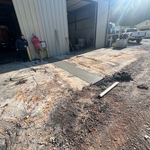
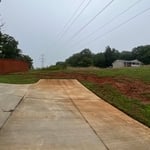
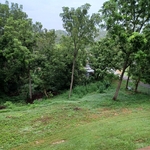
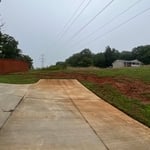
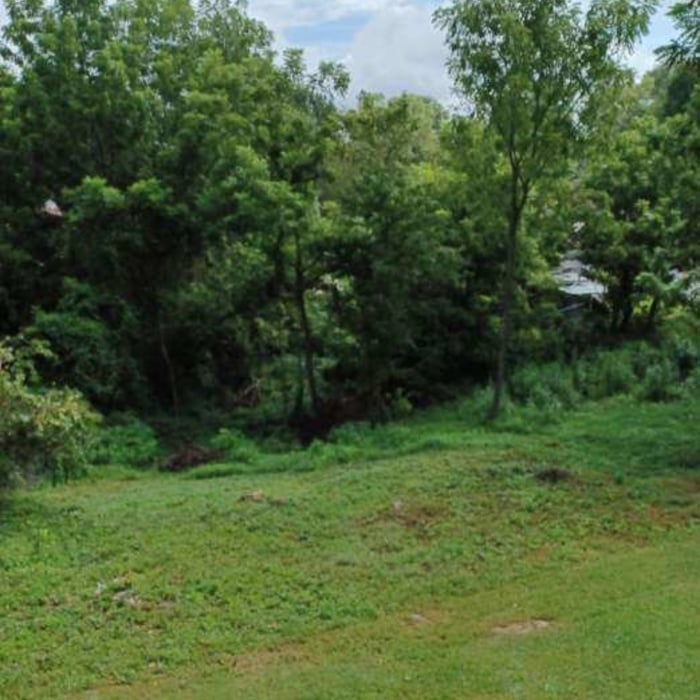
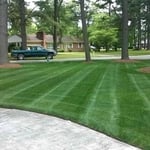
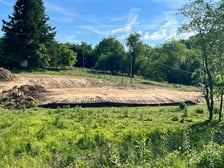
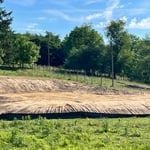
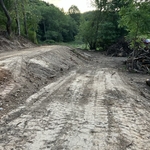
"They are a father and son team. They show up when they say they will. They are hard workers and know what they are doing. My backyard was a disaster, very uneven, full of rocks/boulders and had a really bad slope. I couldn't mow it with my mower. I had to weed wack it. I had them come in and grade,fill and put top soil down. It looks fantastic and is now mow able. They also did a driveway for me. They are very fair with pricing. I highly recommend them."
"It was good. There were certain things that weren't covered under the plan. I'm not sure if they cut the bushes down in the back around the fence. I had to pay extra for that. They should try get me to know the schedule so I know when they're coming and when they're not coming. Other than that, it takes time to get the workers together. I like Patrick and he's the owner. The thing in the firepit was included with the mulch but he said I had to pay for the materials."
"Guy stayed until the job was completed, he dug out and leveled the ground for a garage. Laid in 25 ton of gravel and poured the concrete. I must say when the concrete was poured he was here until he was satisfied with the job."
"Christopher is excellent and has very fair prices - he goes out of his way to keep the final price in the homeowners budget. He is always there when you need him, whether it's at night or on the weekend. He's also a master plumber that does excellent work and is very friendly and easy to get along with. Christopher is able to come up with a solution to very complicated problems. We would highly recommend Christopher to anyone."
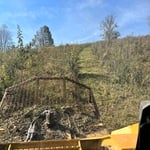
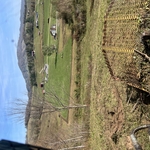
With over 10 years of experience, C&C Land Clearing and Excavation is your go-to contractor for excavation, trenching, and drainage solutions in the Tri Cities and western North Carolina area . We understand the importance of building a solid foundation and offer expert land clearing and dirt work to set your project up for success. We are known for our responsiveness, fair pricing, and high-quality results. Your site will be handled with care and precision.
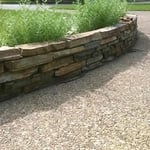
Hardscaping often requires preparation of the ground in the area where the feature is being installed. This can include digging, compacting, and leveling the soil, ensuring adequate drainage, and removing any existing plants. The extent of preparation needed will depend on the type and size of the hardscaping feature being installed.
There are several methods to hollow out a tree stump, and the best one depends on your tools, experience, and priorities. Common methods include using a chisel and hammer, a chainsaw, or burning.
Chisel and Hammer: This is often considered the easiest approach for those with limited tools or experience, though it is the most time-consuming.
Chainsaw: Using a chainsaw is the fastest method, but it comes with significant safety risks, especially for inexperienced users.
Burning: This can be an effective method, but it is not recommended unless you can first drill holes into the stump. Without holes, the stump will be difficult to light and may not burn completely through.
A power drill with at least a ⅜-inch diameter bit can make the job quicker and easier, regardless of the primary method. While you can use a chisel or chainsaw without a drill, it will require more time and effort. Always wear protective goggles and thick gloves, as splinters are an inevitable risk.
Yes. A metal detector is one of the quickest and easiest ways to find your septic tank. However, metal detectors can be too expensive (costing upward of $300 in some cases), and not everyone has a metal detector just lying around. If that’s the case for you, you can also take a long metal rod and poke it into the ground at regular intervals until you hit something—likely your septic tank lid.
Septic drain lines (or leach lines) are typically buried between 18 and 36 inches underground, and should be at least 6 inches below the surface. These pipes are perforated and surrounded by filtering materials like sand or gravel. Burying the lines at this depth helps minimize odors and allows bacteria and other biological processes in the soil to effectively treat the wastewater. Burying lines too close to the surface can cause issues unless the soil is very compact and stable.
Whether you grind or dig up and remove your tree stump depends on your landscaping goals. Using a stump grinder leaves the root system in place for it to decompose over time, whereas digging up the tree stump removes the roots and the stump. Overall, stump grinding is a far simpler process since you won’t need to deal with the roots. Stump removal will make your yard look like a demolition site, but you’ll have an easier time replanting in the same place as your former tree.
The Lebanon, VA homeowners’ guide to excavation services
From average costs to expert advice, get all the answers you need to get your job done.
Excavation costs $1,500 to $6,300 for most residential projects—but it depends on factors like the size of the area. This guide will help you plan a budget.
You can't have an in-ground pool without digging into the ground. How much does pool excavation cost, and can you take it on yourself? Our guide explains.