

Top-rated drywall pros.

Get matched with top drywall pros in Luling, TX

Enter your zip and get matched with up to 5 pros

Need a pro for your drywall service project in Luling, TX?

Select your specific project to find the pro for you.

Find Drywall pros in Luling

Avatar for Bernabe&sons drywal
Bernabe&sons drywal
3.0(
1
)
Drywall - InstallDrywall - Repair

Serving Luling, TX and surrounding areas

Approved

Free estimates

Emergency services offered

Small jobs welcome

My name is Bernardo bernabe i have been in the drywall business for about 7 years.\nI do jobs all over the san antonio area and surrounding areas I specialize in doing remodels and new construction houses, including small patch work, no job is ever too small or too large, text for a free quote!

Avatar for AM home improvements
AM home improvements
New to Angi
Drywall - InstallDrywall - Repair

Serving Luling, TX and surrounding areas

Approved

Small jobs welcome

Army Veteran with 5+ years experience in rough and finish carpentry, handyman work, fabrication, and mechanical knowledge. Looking to service the New Braunfels and surrounding area with quality craftsmanship and service!\n\n

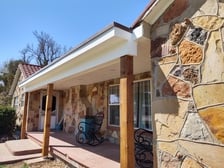
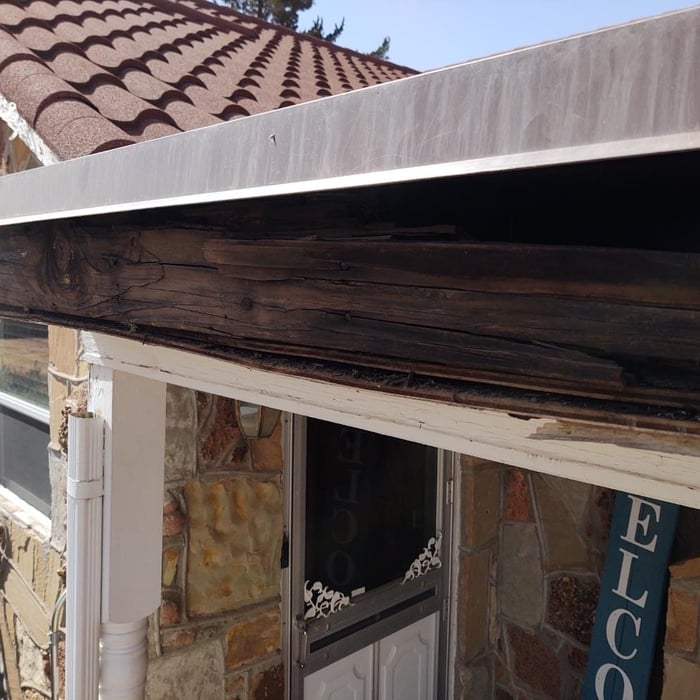
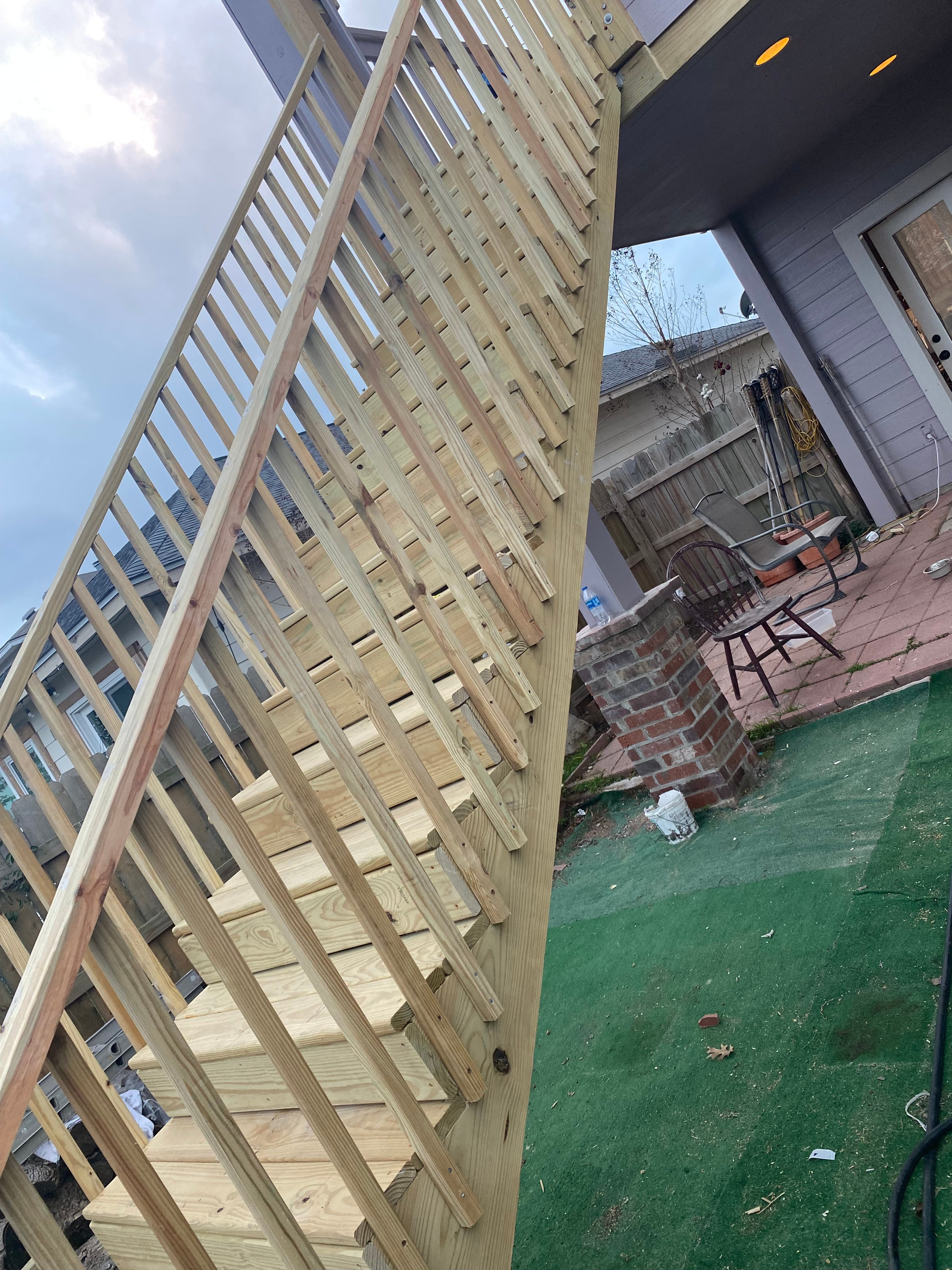
Porch facelift.
Porch facelift.
Porch facelift.
Porch facelift.
Porch facelift.

+3

11 neighbors recently requested a quote
...
Showing 1-10 of 167
Drywall questions, answered by experts

There is no way to cut drywall without making dust, but you can reduce the amount of dust and especially the dangerous airborne particles by using manual cutting tools. Using a utility knife to score and snap your drywall will minimize dust production, and a jab saw for cutting cutouts for boxes and fixtures will generate almost no airborne dust. Even if you use these methods, you should still wear a respirator and safety goggles to avoid damage to your lungs and eyes.

The short answer is yes, a sagging plaster ceiling is dangerous. Sagging plaster on a wall is something you should fix immediately, but it isn’t a major concern. If the same type of sagging occurs on a ceiling, however, you could be in danger of your ceiling falling in large chunks. When plaster sags, it loses its strength and ability to hold itself up. The bonds that hold it together are strong, though, so if a sagging area falls, it will take large pieces down with it.

The two most common drywall thicknesses for ceilings are 1/2-inch and 5/8-inch. For most standard residential applications, 1/2-inch drywall is sufficient and widely used. It provides adequate support and is lighter and easier to handle during installation compared to thicker sheets. However, 5/8-inch drywall is often used for specific cases where additional benefits are needed. It is heavier but provides superior sound dampening and fire resistance. You should consider using 5/8-inch drywall for ceilings in commercial buildings, between a garage and a living space, or above a finished basement to meet building codes or for enhanced soundproofing.

You should start looking for a drywall installer by choosing a local company with positive online reviews and ratings with the Better Business Bureau (BBB). Next, confirm that the professional is properly licensed using Angi’s contractor licensing tool, and ask the installer if they are fully insured. It’s a good idea to ask for recent customer references and call them to get their honest opinion about the contractor and their work. You can also ask the installer if they guarantee their work or provide a workmanship warranty.

Yes, you can put paneling over textured walls. Of course, this will come down to personal preference and the type of paneling you want to install. From board-and-batten to shiplap and wainscoting, there are plenty of options to choose from.

The Luling, TX homeowners’ guide to drywall services

From average costs to expert advice, get all the answers you need to get your job done.