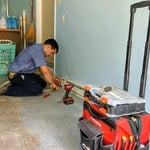
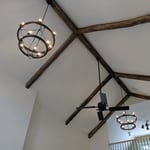
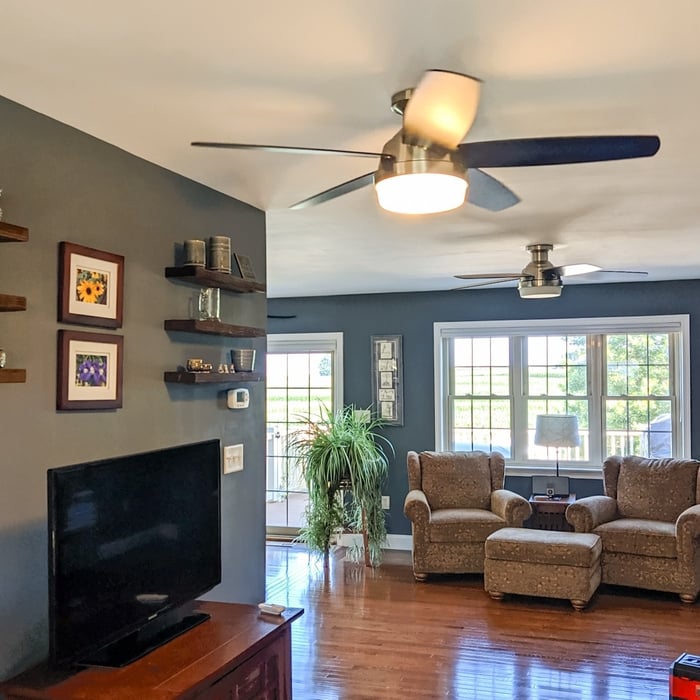
"He was very friendly and did a nice job. He also gave me advice on other electrical work that I would like to do in the future and I will remember him when I get it done."
With 25 years of experience, JCS Low Voltage LLC is here to help! We offer a variety of low voltage services. We are based out of the Shillington, PA area. Give our team a call today. We're looking forward to working with you!\n
"Very pleased with this electrical company as they put a new electrical box in, gfi plugs changed.out three lights, will definitely use again, they clean up after themselves."
"We had personal EV charging station installed by this business' technician. He is very professional, explained all options how to get wires from main electric panel to the other side of the house where it would be convenient for us to charge the car. Provided all required materials and get job done fast and safely, made sure everything works properly."
"I highly recommend Mason for any electrical work or project requiring a skilled and reliable professional. During the time I?ve worked with him, he has consistently demonstrated a high level of technical expertise, attention to detail, and a strong commitment to safety and quality workmanship.
Mason communicates clearly, shows up on time, and completes work efficiently maintaining a professional attitude.
His ability to diagnose issues quickly and implement effective solutions is particularly impressive. I would confidently recommend Mason without hesitation."
The cost to install or replace a circuit breaker depends on the price of the unit itself and the complexity of the installation. A new circuit breaker typically costs between $10 and $100, with standard breakers being the most affordable and GFCI or AFCI types costing more. If you are upgrading to a higher amperage, a 200-amp circuit breaker can cost between $250 and $350. The average total cost for professional installation is around $700, but this price varies. A simple replacement into existing wiring will cost less than a more complex project that requires opening walls, running new wires, and securing permits.
In many cases, you can sell your house if it has aluminum wiring, but you are likely required to disclose that fact during the sale. In some cases, your city or area may have banned the sale of homes with aluminum wiring, so you’ll need to update the wiring or arrange for its replacement as part of the sale. In some cases, it will benefit your home sale to replace the wiring system before putting it on the market.
Yes, professional installations typically include wiring, switches, and circuit adjustments for safe operation.
Yes, hot tubs can use a significant amount of electricity, primarily to keep the water heated. A typical hot tub uses between 1,500 and 6,000 watts, and the pump can add another 1,500 watts. This usage can result in a monthly cost of around $20 to $30. The exact amount of electricity consumed depends on several factors, including the hot tub's age, size, heater voltage (120V vs. 240V), usage habits, and thermostat setting. Newer, energy-efficient models generally use less power than older ones. To reduce electricity costs, consider investing in an energy-efficient model, using a quality insulated cover with a thermal blanket, and keeping the filters clean.
If your outlet is testing fine but keeps tripping, that’s a sign your GFCI outlet is working, but there’s a problem somewhere else. Try plugging in different devices and see if the outlet keeps tripping. If it’s not the appliance that’s causing the issue, it could be a problem in your wiring. Faulty wiring can be a source of electrical fires and other serious problems. We recommend arranging an inspection by an electrician if an outlet appears to be working but keeps tripping.
The Mount Penn, PA homeowners’ guide to electrical services
From average costs to expert advice, get all the answers you need to get your job done.
Before you hire a licensed electrical contractor, you should learn the cost to run electric from the road to your house so you can budget for the project.
Whether you’re shopping for a new home or simply doing a safety check on your current place, learn what factors influence an electrical inspection cost.
Is it time to upgrade your electrical panel? For the sake of safety, find out sooner than later by exploring our top signs that it’s time for an upgrade.