"He was very friendly and did a nice job. He also gave me advice on other electrical work that I would like to do in the future and I will remember him when I get it done."
With 25 years of experience, JCS Low Voltage LLC is here to help! We offer a variety of low voltage services. We are based out of the Shillington, PA area. Give our team a call today. We're looking forward to working with you!\n
We pride our company on reliability, great communication, integrity, and quality work. We are experts in our trade and will do our best to keep you as educated as we can on your particular task or project. We look forward to earning your business!
As a residential electrician you never know what you’re going to get into, that is why I love giving my customers a free estimate to help prepare them for the upgrade, repair, or new installation they’ve been thinking about. From panel upgrades just a simple dimmer switch installation, I bring a quality of work and up-to-code knowledge to help you improve your home.
To ensure batteries stop charging when they’re full, you’ll need to install a charge controller that determines when the battery is full. Once the battery is fully charged, the charge controller will stop the energy flow or divert the energy to the grid or other appliances. Without a charge controller, the battery may continue to charge, which can lead to less productivity and potential damage.
At a minimum, you need an electrician to inspect the house wiring after a fire. The electrician will need to replace damaged or melted wires. If the electrical wiring is old, about 25 years or more, you should rewire the house after a fire. Old wiring can increase the risk of another fire, so replacing the wires is the safest option.
Timers work by using an internal switch to turn power on or off to the cord plugged into it. Just the same way that a light switch turns lights on and off, the timer throws the switch at the programmed times.
The National Fire Protection Association reports that almost half of reported electrical fires are caused by electrical distribution and lighting equipment. The main culprit behind these fires is often frayed, worn, or faulty wiring, particularly in closed-off and concealed areas like attics, where fires can start and burn undetected for long periods.
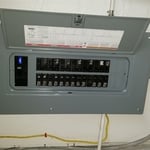
The lifespan of an average breaker box is 25 to 40 years, depending on the type and electrical events that occur in your home. Frequent power outages or surges can cause the breaker box’s lifespan to shorten. Maintain this essential electrical component by avoiding turning it off and inspecting it regularly for signs of damage.
The Shillington, PA homeowners’ guide to electrical services
From average costs to expert advice, get all the answers you need to get your job done.
Before you hire a licensed electrical contractor, you should learn the cost to run electric from the road to your house so you can budget for the project.
Whether you’re shopping for a new home or simply doing a safety check on your current place, learn what factors influence an electrical inspection cost.
Is it time to upgrade your electrical panel? For the sake of safety, find out sooner than later by exploring our top signs that it’s time for an upgrade.