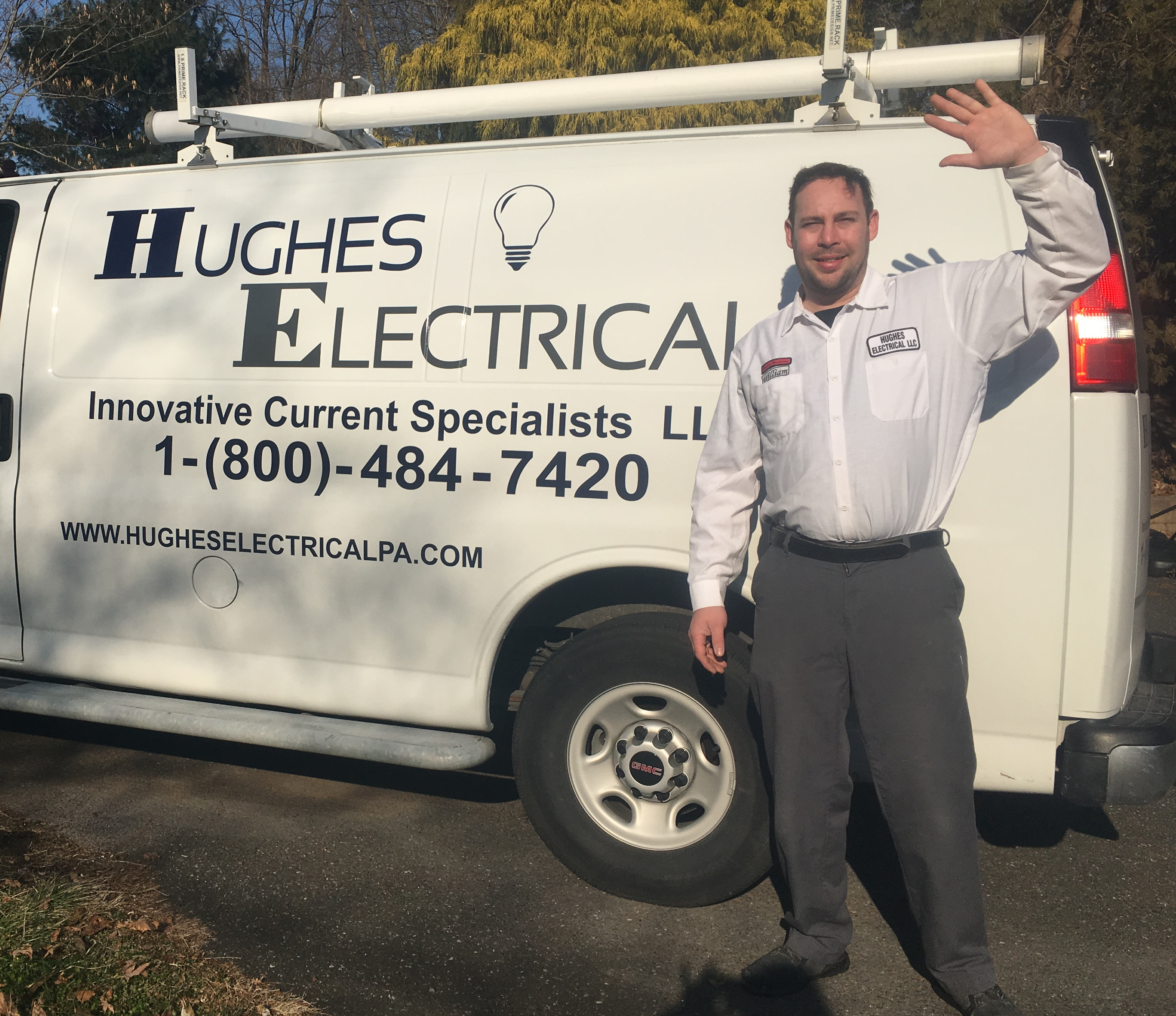
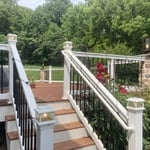
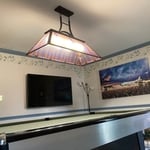
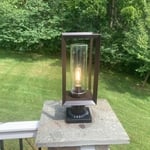
"He was very friendly and did a nice job. He also gave me advice on other electrical work that I would like to do in the future and I will remember him when I get it done."
With 25 years of experience, JCS Low Voltage LLC is here to help! We offer a variety of low voltage services. We are based out of the Shillington, PA area. Give our team a call today. We're looking forward to working with you!
\n
We pride our company on reliability, great communication, integrity, and quality work. We are experts in our trade and will do our best to keep you as educated as we can on your particular task or project. We look forward to earning your business!
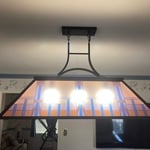
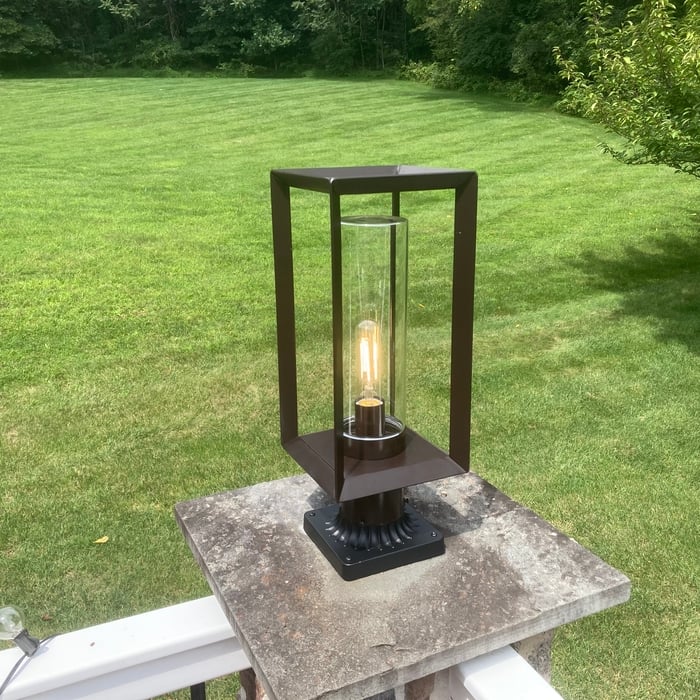
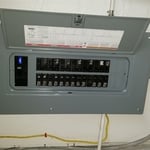
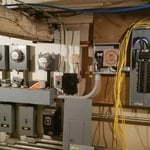
"Very pleased with this electrical company as they put a new electrical box in, gfi plugs changed.out three lights, will definitely use again, they clean up after themselves."
As a residential electrician you never know what you’re going to get into, that is why I love giving my customers a free estimate to help prepare them for the upgrade, repair, or new installation they’ve been thinking about. From panel upgrades just a simple dimmer switch installation, I bring a quality of work and up-to-code knowledge to help you improve your home.
Window ACs use 500 to 1,400 watts per hour of electricity, while mini-splits use 500 to 700 watts per hour. However, if you need to cool multiple zones in your house, your mini-split can use as much as 2,000 watts per hour. How often you run your system will impact how much electricity you use (and how much you pay per month).
Yes, an AFCI (arc fault circuit interrupter) outlet also has line and load terminals, although it uses different technology than a GFCI and offers a different kind of protection. AFCIs monitor for internal arc faults, a type of wiring problem that can start an electrical fire.
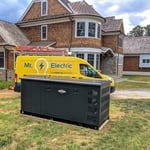
An undersized whole-house generator has the potential to overheat and shut down when you try to run a central AC system. This scenario can not only damage the whole-house generator, but can also trip your home’s breakers or cause electrical damage. To avoid this situation, hire a local generator installer to correctly size your whole-house generator.
Several signs can indicate a light switch is bad. If the switch feels loose, slides down after you flip it, or requires multiple flicks to turn the light on, it may be failing. Other common indicators include flickering lights or a general failure to turn the light on or off. Pay attention to any unusual sounds, such as crackling, buzzing, or popping when you operate the switch. More serious signs, which can present a fire or shock hazard, include the switch feeling excessively warm or hot, sparking, smoking, or emitting a burning smell. If you notice any of these dangerous signs, stop using the switch immediately and call an electrician.
Replacing the panel itself takes four to eight hours of work by a professional. However, if associated wiring and related components also require replacement, the labor time increases to 20 to 30 hours. Your electrician can speed up the process by bringing in a team of pros to handle ancillary tasks.
The Kenhorst, PA homeowners’ guide to electrical services
From average costs to expert advice, get all the answers you need to get your job done.
Before you hire a licensed electrical contractor, you should learn the cost to run electric from the road to your house so you can budget for the project.
Whether you’re shopping for a new home or simply doing a safety check on your current place, learn what factors influence an electrical inspection cost.
Is it time to upgrade your electrical panel? For the sake of safety, find out sooner than later by exploring our top signs that it’s time for an upgrade.