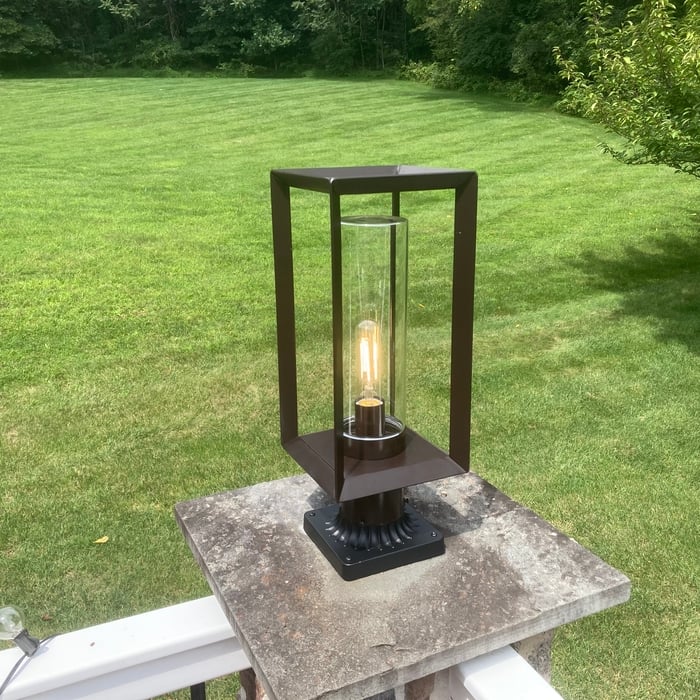
"Jusstin and Devon know their business--they're efficient, reliable, personable, and reasonably priced. Devon did a fantastic job of diagnosing problems with a patio lighting system in a place we'd just purchased, and about whose wiring we knew nothing. He figured it all out--chased down the problem, and fixed it! Wentzel Electric is all about code and certification, reassuring when we see what other less-qualified electricians and DIYers have installed in the past."
"Anthony and Matt installed a new electric line and outlet in our home. They were polite, friendly, professional and efficient. We enjoyed having them in our home! We highly recommend Fused Electric and will definitely hire them again for future electrical needs."
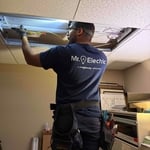
"I needed some help wiring my basement and Troy and his team were able to help me complete the job without a hitch. They were professional, knowledgeable, and worked fast. I take great comfort knowing that I have an electrician that I can count on. I couldn't recommend Troy and his Mr. Electric team enough for all your electrical needs."
"We know the code to keep you safe"
\nHere at Edinson Electrical Solutions LLC, We pride ourselves on our professionalism, as well as our ability to complete every job to the homeowner's total satisfaction. We never leave a job unfinished, or a homeowner not 100% satisfied with our level of service. We handle electrical work in Whitehall and the surrounding areas - Call today!
\n
With 25 years of experience, JCS Low Voltage LLC is here to help! We offer a variety of low voltage services. We are based out of the Shillington, PA area. Give our team a call today. We're looking forward to working with you!
\n
"Raudy Electric delivers exceptional service that stands out. He, himself is incredibly personable and friendly, making the entire experience stress-free from start to finish. His thorough approach ensures that no detail is overlooked, and he goes above and beyond to be helpful. The pricing is very fair, offering excellent value for the quality of work provided. On top of that, the job was completed quickly without sacrificing attention to detail. If you're looking for a reliable and efficient electrician, Raudy Electric is the perfect choice! Highly recommended."
"We rely on Darren and Souder Electrical for all of our electrical needs?his expertise, professionalism, and reliability make him our go-to every time. I trust Darren and his team not only with our own projects but also confidently refer them to our clients as well, knowing they'll be in great hands from start to finish."
"I especially appreciated Chuckâ s patience in teaching me how to use the outdoor outlet and in helping me make sure it worked for its intended purpose- chargibg the battery of an electric wheelchair."
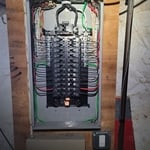
If you’re replacing wires from an electrical meter box to the breaker box, you may also consider installing a new meter or replacing or repairing the breaker box . You can tell if the circuit breaker is bad if you’re dealing with tripping or worrisome burning smells. Both projects should also be handled safely by a licensed electrician.
Yes, you can put a GFCI outlet in almost any electrical outlet location. As long as the outlet is wired correctly back to a circuit breaker, you can likely replace the existing outlet with a GFCI outlet.
Some portable cooktops are compatible with standard 120-volt outlets, but most induction (and electric) ranges and stoves need a dedicated 220- or 240-volt circuit and 40 to 50 amps to work. If you are replacing an old electric range with an induction one, you likely already have the proper outlet, but it’s worth checking with a local appliance installation company.
Yes, gas dryers still need electricity. While their heating system relies solely on natural gas to produce the heat that dries your clothes, gas dryers use electricity to power the lights and display screens on their interface, turn on the drum, and power any automatic moisture sensors inside the unit.
To install an outlet from existing wiring, you’ll need to choose a location where you can already access existing wiring. The easiest way to do this is to install an outlet on the other side of the wall of an existing outlet.
Since the wiring is already in place, all you have to do is connect a new cable to the existing wiring and then connect the correct wires through the wall—to the new electrical outlet. Place your new outlet into the opening in the wall and then connect the correct wires to the appropriate terminal screws.
The Dale, PA homeowners’ guide to electrical services
From average costs to expert advice, get all the answers you need to get your job done.
Before you hire a licensed electrical contractor, you should learn the cost to run electric from the road to your house so you can budget for the project.
Whether you’re shopping for a new home or simply doing a safety check on your current place, learn what factors influence an electrical inspection cost.
Is it time to upgrade your electrical panel? For the sake of safety, find out sooner than later by exploring our top signs that it’s time for an upgrade.