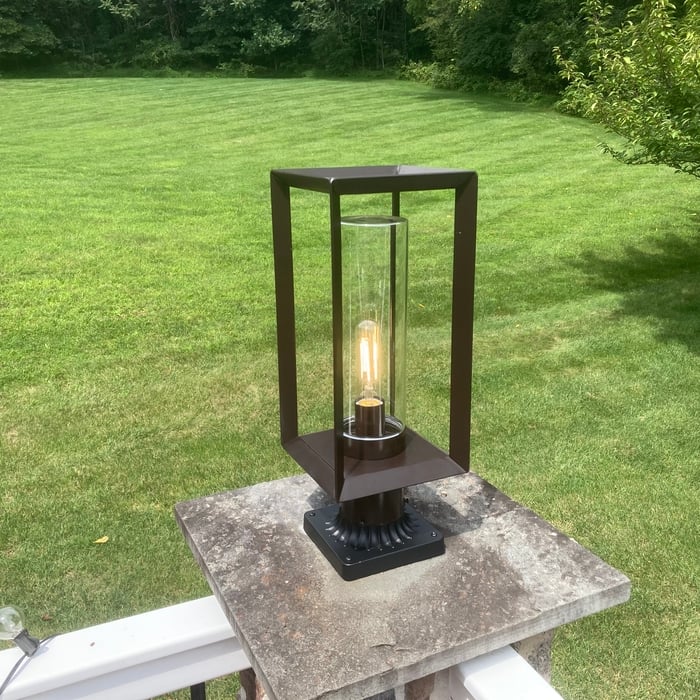
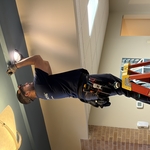
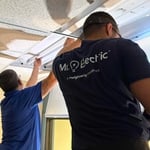
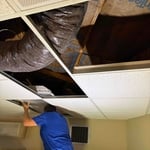
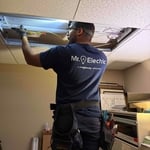
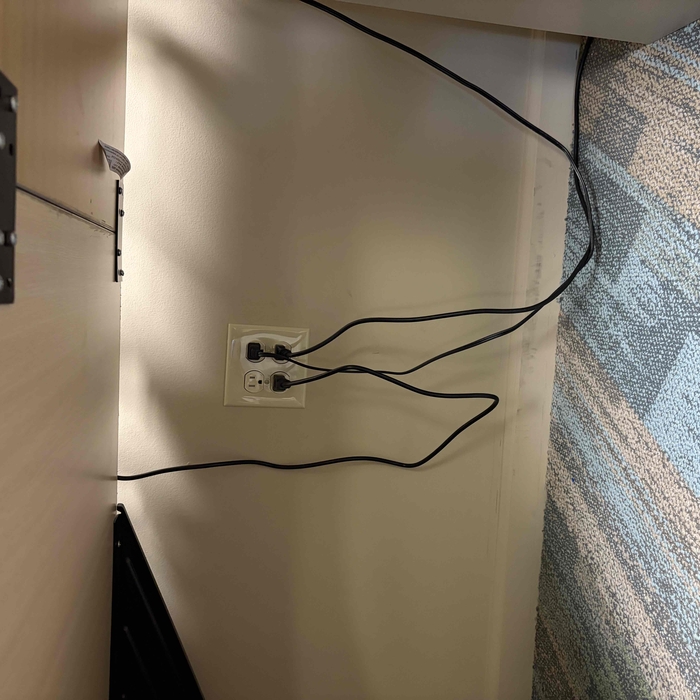
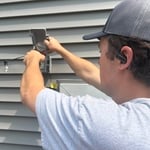
"Due to our house construction, it was difficult to install the fans where we wanted them, but Mark did it. He was honest about where the fans could and could not be placed, and gave us options. He was professional, prompt, tidy, and courteous.
We highly recommend Harda Electric! Thanks, Mark "
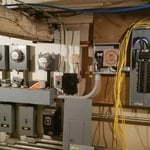
"I needed some help wiring my basement and Troy and his team were able to help me complete the job without a hitch. They were professional, knowledgeable, and worked fast. I take great comfort knowing that I have an electrician that I can count on. I couldn't recommend Troy and his Mr. Electric team enough for all your electrical needs."
With 25 years of experience, JCS Low Voltage LLC is here to help! We offer a variety of low voltage services. We are based out of the Shillington, PA area. Give our team a call today. We're looking forward to working with you!\n
We pride our company on reliability, great communication, integrity, and quality work. We are experts in our trade and will do our best to keep you as educated as we can on your particular task or project. We look forward to earning your business!
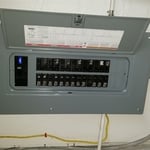
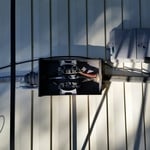
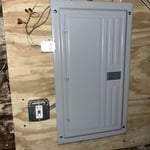
"Brendan is an excellent electrician. He switched out our panel box and was able to do it efficiently so that we were not without power for very long. He was upfront about the cost of his work and truly looks out for his customers. I would highly recommend him and Good Life Electric!"
The Biden Administration banned the sale of incandescent light bulbs for general service lamps in 2023. All household light bulbs must meet a minimum efficiency of 45 lumens per watt, three times that of a standard incandescent light bulb.
The main motivation was to improve energy efficiency and reduce carbon emissions. It is expected that banning incandescent light bulbs will cut over 200 million metric tons of carbon emissions over the next 30 years. Some bulbs are exempt, like chandelier lights and Christmas lights.
Yes, a faulty or broken light switch can be a serious fire hazard. Malfunctioning switches often result from loose wiring, exposed connections, or other electrical problems that can cause overheating or sparking. Warning signs include crackling, popping, or hissing sounds when you flip the switch, which indicates live electricity that could ignite nearby flammable materials. If you suspect your light switch is faulty, immediately turn off the power at the circuit breaker and contact a qualified electrician to remedy the issue.
Yes, most electric heated bathroom floor systems require a dedicated GFCI-protected circuit to ensure safety and proper function. An electrician may need to upgrade your panel or run new wiring, which can increase installation costs. Always check local building codes and manufacturer recommendations before installation to ensure a safe and compliant setup.
You can twist the wires before using a wire nut, but it’s not necessary. Electricians often twist wires before using a wire nut, which can help secure the connection and enhance electrical contact between wires. You can decide whether or not to twist the wires beforehand, or consult a local electrician if you need professional opinion.
Common warning signs of an overloaded electrical panel or meter box include frequent circuit breaker tripping, flickering or dimming lights, scorch or burn marks, and a burning scent coming from the panel. A circuit breaker trips as a protective measure to prevent overheating and potential fires. If you observe any of these signs, turn off the affected circuit breaker and move some devices to a different circuit. If the problem persists after turning the breaker back on, you should contact a professional electrician to resolve the issue.
The West Reading, PA homeowners’ guide to electrical services
From average costs to expert advice, get all the answers you need to get your job done.
Before you hire a licensed electrical contractor, you should learn the cost to run electric from the road to your house so you can budget for the project.
Whether you’re shopping for a new home or simply doing a safety check on your current place, learn what factors influence an electrical inspection cost.
Is it time to upgrade your electrical panel? For the sake of safety, find out sooner than later by exploring our top signs that it’s time for an upgrade.