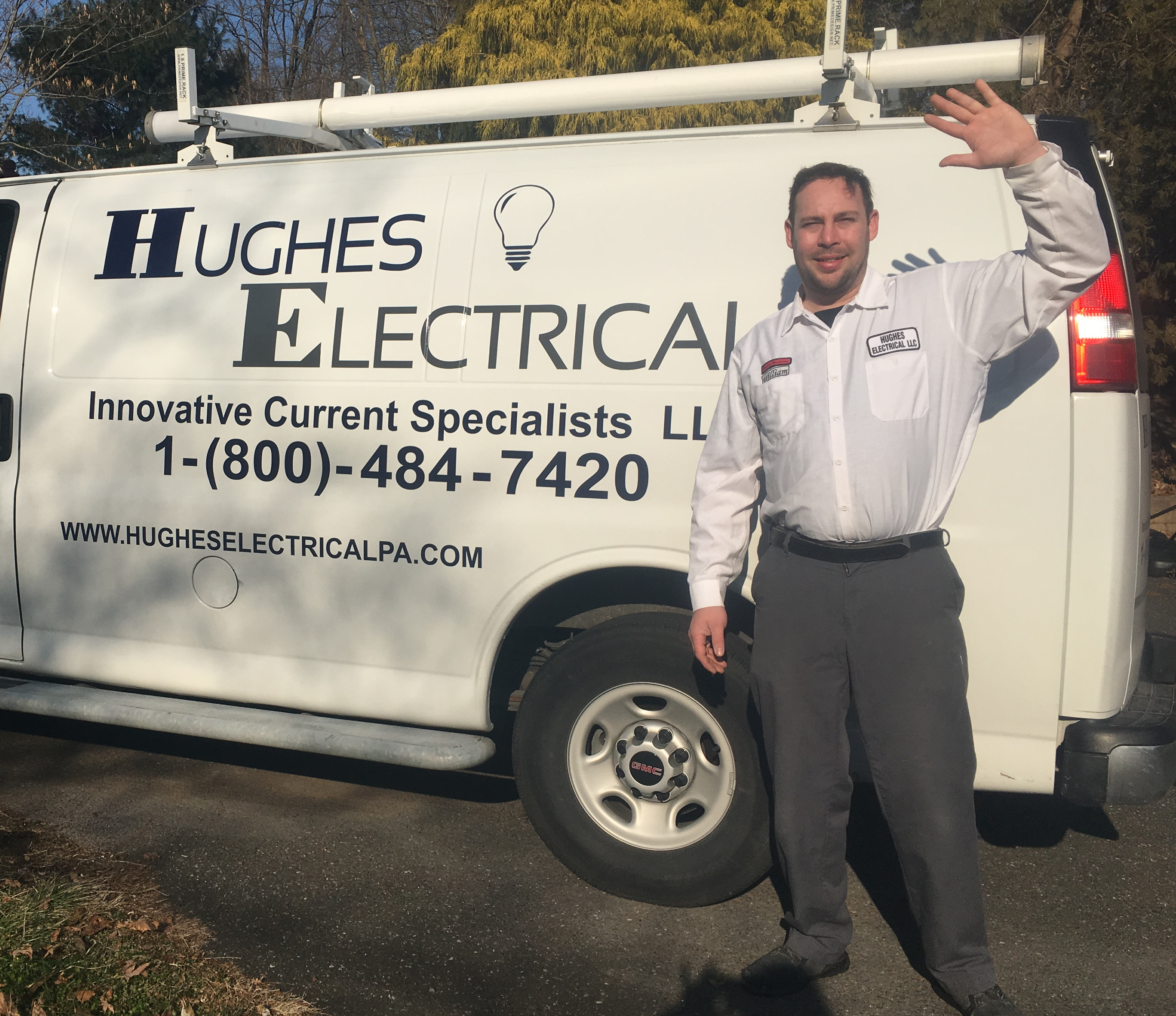
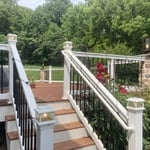
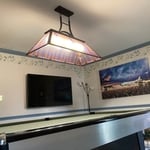
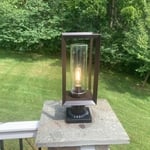
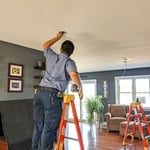
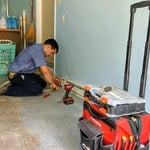
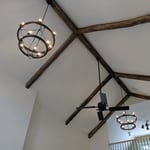
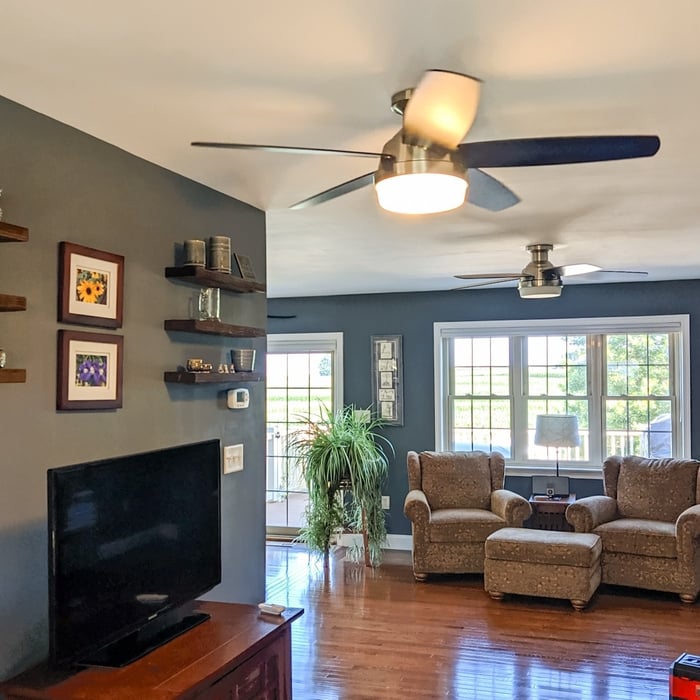
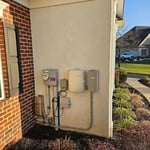
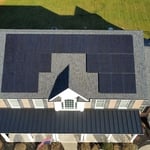
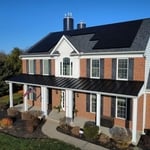
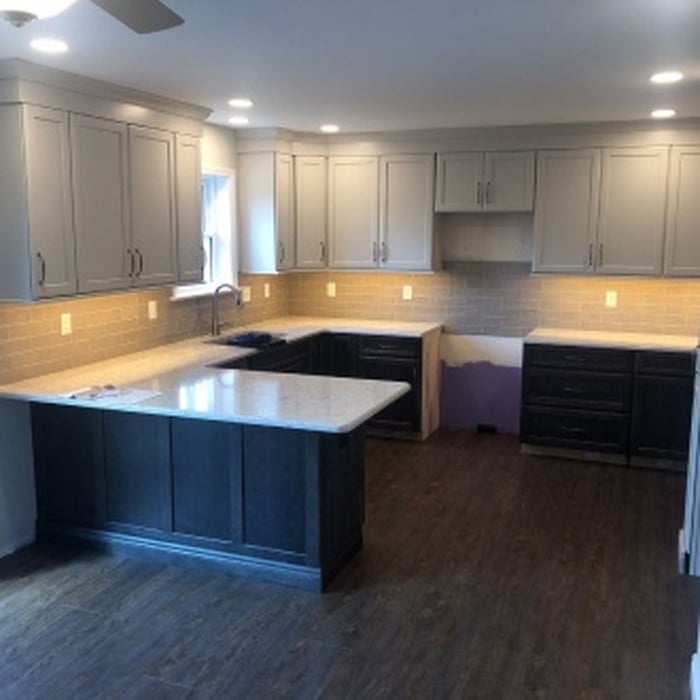
"William was very knowledgeable, professional, courteous and friendly! The prices were very good and the work looks wonderful! He had helped me install a new electric vehicle charger and electrical line to my garage. I was given a free electrical inspection too. I will happily recommend Hughes Electrical to everyone in Birdsboro, he is the best electrician around!"
"I generally really dislike leaving feedback. I find myself honest to a fault because I believe it's a responsibility to leave honest, accurate feedback for potential other customers. Then I go through this process of "am I being too nit-picky", "am I being overly sensitive", etc, and finally I don't leave the review because if it isn't good, will it hurt the business, or just as bad, reviews that say "they were great" isn't helpful at all....and so I buckle under the pressure of my own assessment. I say all that here to tell you I have ZERO issues writing this review right now. I reached out to Mr. Electric because a project that was supposed to start in August was bumped up on the schedule, and as always, I procrastinated getting someone to come out and move an electrical box and some conduit. I reached out to Mr. Electric on a Thursday, and the following Monday was promised someone (Travis M from Mr Electric) would come out and give us a quote on the work. Travis showed up right on time, and only was he super-flexible with whatever work I asked for (added in 2 outside electrical boxes besides the electrical box reconfiguration and move), they gave me a more than reasonable quote for the work and told me they could get the work done right then and there. My wife and I agreed, and the final result was phenomenal. Travis M and also Andrew from Mr. E jumped right in, and did a superb, professional job in a matter of a couple of hours. I would be remiss if I didn't say that not only was their work professional, their attitude and conduct was professional beyond reproach. To be fully honest, they looked and acted the part of professional electricians from a professional company. These 2 gentlemen represented Mr. Electric in a fully excellent way, and they will be my go-to for future projects. Perfect 10 out of a possible 5 stars!"
"Fantastic work! Professional, neat, organized. Dave and team were respectful of our home and even our dogs ?. Definitely plan to have them back. If you are looking to do electrical work - Hire Reeltek!"
"Immediately contacted after placing a request for work. The tech was courteous on the phone and understood my situation and was able to come out at 8am the next day. The quote was extremely reasonable and the work was excellent. The tech stayed until the job was complete and cleaned up after himself. I would highly reccomend and I will definitely use again if electrical issues arise."
With 25 years of experience, JCS Low Voltage LLC is here to help! We offer a variety of low voltage services. We are based out of the Shillington, PA area. Give our team a call today. We're looking forward to working with you!
\n
We pride our company on reliability, great communication, integrity, and quality work. We are experts in our trade and will do our best to keep you as educated as we can on your particular task or project. We look forward to earning your business!
Running conduits through an exterior wall is an effective method for powering outdoor spaces. From gardens to sheds to garages and more, it can be important to have electricity outdoors. Using conduit, which safely covers wires outdoors, is an easy way to get power where homeowners need it.
A faulty light switch can trip a breaker due to circuit overload or a short circuit. A faulty light switch may not always trip a breaker, so don’t use that as your only sign that something’s wrong. Always investigate the cause of a switch that isn’t working properly, feels hot to the touch, or is making unusual noises.
An average, 400-square-foot electric heated driveways consume approximately $3 per hour in terms of electricity. The price may slightly fluctuate depending on your local energy cost. A simple formula to calculate your heated driveway’s total wattage consumption is by multiplying the square footage by 50 watts and then dividing it by 1,000 to get the kilowatt number. Multiply that with your local energy cost per hour and there you have the hourly operating cost.
For more complex electrical projects, it’s often most efficient and cost-effective to hire an electrician rather than trying to figure it out yourself (and risking electrical problems). Electricians know exactly what a project requires, and can often find supplies or parts for cheaper than the average homeowner. That can save money compared to going it alone.
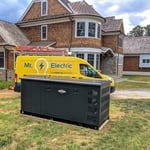
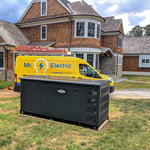
A 10,000-watt generator can run a small to mid-sized central AC unit (typically up to 3 tons or 36,000 BTU) along with a few other appliances. However, larger AC units or additional loads will require a bigger generator. Consult a local generator installer to ensure you add the correct size generator to your home.
The Morgantown, PA homeowners’ guide to electrical services
From average costs to expert advice, get all the answers you need to get your job done.
Is it time to upgrade your electrical panel? For the sake of safety, find out sooner than later by exploring our top signs that it’s time for an upgrade.