
Top-rated electricians.

Get matched with top electricians in Thorndale, PA

Enter your zip and get matched with up to 5 pros

Need a pro for your electrical service project in Thorndale, PA?

Select your specific project to find the pro for you.

TRUSTED BY THORNDALE, PA HOMEOWNERS

  • Average homeowner rating star icon4.7
    Average homeowner rating
  • Verified reviews icon982
    Verified electrical services reviews

Find Electricians in Thorndale

Avatar for Brandon Electric Inc
Brandon Electric Inc
4.9(
1,504
)

Serving Thorndale, PA and surrounding areas

Approved

In business since 1985

Free estimates

Emergency services offered

"I needed 4 separate lines put in and Brandon Electric came to our home with a professional team of electricians and completed the job without shutting off the electric. I will recommend Brandon Electric to anyone."
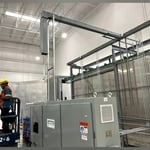
D-1 Baseball Academy LED Lights
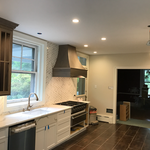
4" LED Recessed Lights
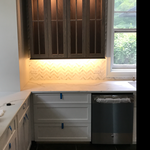
Under Cabinet Lighting
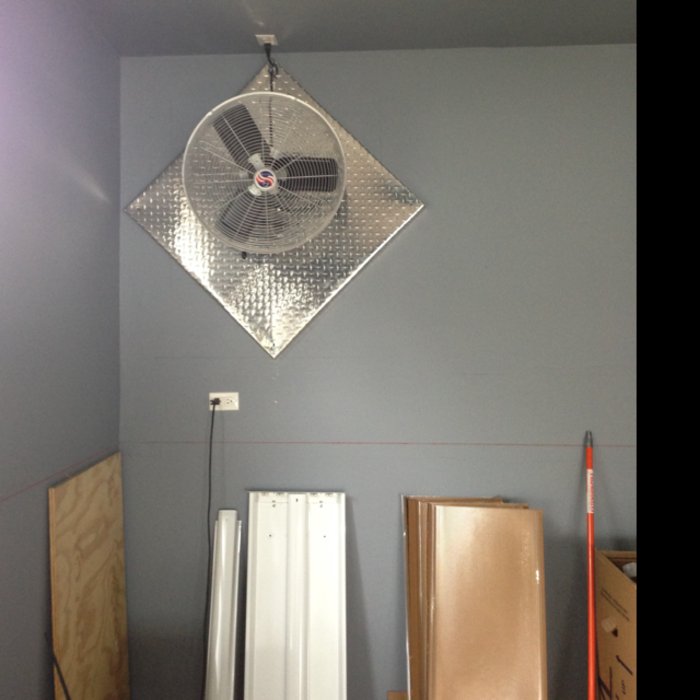
Commercial Fan

+61

Response time1 day
Response rate100%
Recommended by98%of homeowners
Avatar for STAPLEFORD ELECTRIC
STAPLEFORD ELECTRIC
4.7(
86
)

Serving Thorndale, PA and surrounding areas

Approved

In business since 2000

Free estimates

Warranties offered

"It was done by Mike Stapleford in the time and manner of a professional electrician with 30 years experience. He cleaned up after himself and was very pleasant. His charge was too low, and I increased the payment to amore reasonable amount. The following day, I gave his name and phone number at my company for use for future work there. I highly recommend Stapleford Electric."
2 neighbors recently requested a quote
Recommended by100%of homeowners
Avatar for JDV Electric, LLC
JDV Electric, LLC
4.7(
21
)

Serving Thorndale, PA and surrounding areas

Approved

Super Service Award Winner

In business since 2005

Warranties offered

Small jobs welcome

"JDV Electric recently replaced my electrical panel and delivered outstanding service from start to finish. The technicians were professional, courteous, and extremely knowledgeable. Before beginning the work, they took the time to remove the panel cover and thoroughly explain the existing damage, as well as how to prevent similar issues in the future. Unlike other companies that simply provided quotes without any explanation, JDV made sure I fully understood both the problem and their proposed solution. Their attention to detail and clear communication set them apart. The team worked efficiently and left the work area spotless, it was as if they had never been there. It?s rare to have a contractor complete a job without needing any cleanup afterward. I highly recommend JDV Electric for any electrical needs, and I will absolutely be using them again for future projects."
Team members
Truck
Truck 2
The JDV Team
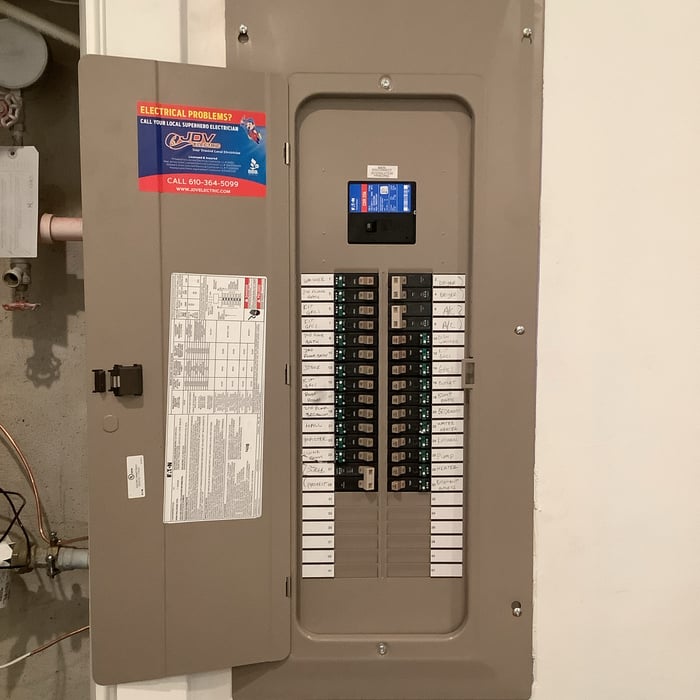
Panel Upgrade

+10

Response time40 mins
Response rate85%
70 neighbors recently requested a quote
...
Showing 1-10 of 552
Electrical questions, answered by experts
The most common type of electrical outlet is a 3-prong outlet, which has two flat blades (one is wider than the other) and a round grounding pin. Older homes typically have 2-prong outlets that aren’t as safe as more modern options and are generally not up to current electrical codes.  Other outlets you can find in your home include 20A, 125 volt varieties for larger appliances like refrigerators or washing machines. 

There are also GFCI outlets, which protect against electrical shock in wet areas, such as bathrooms and kitchens, and arc fault circuit interrupter (AFCI) outlets, which protect against electrical fires caused by arcing.

Yes, the National Electrical Code reviews household codes every three years. However, that doesn’t always mean that kitchen counter outlet requirements will change, but it does allow room for professionals to make updates. That’s why many older kitchens are no longer code-compliant thanks to changing rules for amperage, GFCI protection, and more.

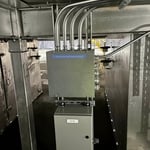
While not always necessary, wiring your circuit breaker in a certain way can ease both the installation process and use afterward. For starters, you’ll need to install the electrical panel so that the main service knockout aligns with the cable conduit. If they aren’t aligned, you may not have sufficient working space to finish running the wires. Using cable trays, on the other hand, gives you a bit more freedom to and flexibility in where and which direction you install the wires. At the end of the day, the power flow will be the same whether the cords run up or down.

The number of outlets and lights you can safely run on a single circuit depends on the circuit's amperage and local electrical codes. A general rule is to allow one outlet or light fixture per 1.5 amps, keeping the total load under 80% of the circuit breaker's capacity. For example, a 15-amp circuit can typically support up to eight outlets or lights, while a 20-amp circuit can accommodate up to ten. Always consider the combined power usage of all connected devices and fixtures to prevent overloading. For specific guidelines and to ensure safety, it is best to consult local electrical codes or a licensed electrician.

To upgrade electrical systems in older homes, you might need to reroute new wires with lath and plaster walls. That’s because it’s more challenging to get inside the walls of an older home compared to a modern home, which usually uses drywall. But there are easier ways to level up your electrical game in an older home. For instance, you can swap out an old furnace for a new electric heat pump, or you could use a heat pump for water heating.

The Thorndale, PA homeowners’ guide to electrical services

From average costs to expert advice, get all the answers you need to get your job done.