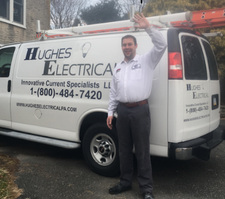
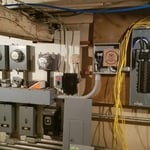
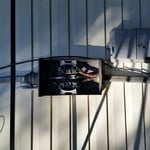
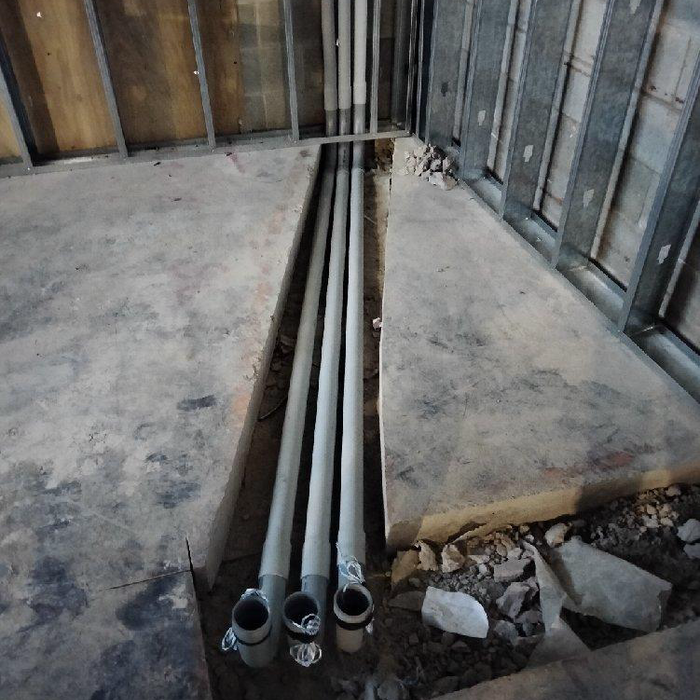
"I hired Hughes Electrical to install my electric vehicle charging station in my garage, and they did a wonderful job! William and his apprentice ran a new 50 amp electrical line from my electric box to my charging station, going through the basement and up the side wall. Afterwards, they gave me a free inspection and an estimate for new outlets outside. I am very pleased to have worked with them and will be recommending them to all my neighbors!"
"I needed 4 separate lines put in and Brandon Electric came to our home with a professional team of electricians and completed the job without shutting off the electric. I will recommend Brandon Electric to anyone."
"My husband and I are more than pleased and satisfied with the electrical skills of Mark Harda. He also gave attention to a ceiling fan and light. Very clear with estimates, he came as planned and completed the proposed work in appropriate time frame. We will certainly reach out to this company in the future!"
Mr. Electric serves the electrical upgrade, installation, and repair needs of residential customers throughout the area.
\n
\nYou can feel confident calling Mr. Electric, knowing that our highly trained Service Professionals will treat you, your family, and your property with the respect and attention to safety you deserve.
\n
\nWe are a locally owned and operated company, and as a result, we understand the needs of our customers. Whether it's hanging a ceiling fan, installing a custom-designed landscape lighting system, or rewiring a commercial structure, you can call Mr. Electric. We have the power to make things better!
\n
With 25 years of experience, JCS Low Voltage LLC is here to help! We offer a variety of low voltage services. We are based out of the Shillington, PA area. Give our team a call today. We're looking forward to working with you!
\n
I have over 30 years of electrical experience. Residential, Commerical, and Industrial construction and maintenance. Communications, Television, single phase, three phase, 120/240, 120/208, 277/480, 347/600, 480 Delta, and some high voltage 13.2 kv and 36 kv. Solar panels installation, wind mill installations, and many equipment installations.
"The gentlemen who performed the service were courteous and professional. They left the area as clean as when they started. I highly recommend AMF Electric!"
As a residential electrician you never know what you’re going to get into, that is why I love giving my customers a free estimate to help prepare them for the upgrade, repair, or new installation they’ve been thinking about. From panel upgrades just a simple dimmer switch installation, I bring a quality of work and up-to-code knowledge to help you improve your home.
The purpose of pigtail wiring is to connect multiple wires to a single terminal on a device. Pigtailing involves splicing a short length of wire, called a pigtail, into the multiple wires that need to be connected. The pigtail wire is then connected to the single terminal on the device, allowing all of the wires to be connected at once. This practice helps to simplify the wiring process, reduce clutter, and ensure a secure and reliable electrical connection.
No, you should always use proper electrical wire caps to safely cap off electrical wires. Electrical tape isn’t as durable as electrical caps and can deteriorate and separate over time, exposing the live wires. The only way to use electrical tape for this project is to wrap it around the caps themselves to reinforce them and create an even stronger connection, preventing an electrical emergency.
Yes, you can put a GFCI outlet in almost any electrical outlet location. As long as the outlet is wired correctly back to a circuit breaker, you can likely replace the existing outlet with a GFCI outlet.
A ground wire is not required for GFCI to work. A ground is a third wire in an outlet in addition to the live and neutral wires. It serves as an escape conduit for electricity in case of a short circuit. If a ground wire is present, installers should connect it to the appropriate terminal. Otherwise, a GFCI will work fine without it.
Yes, pool pumps use a significant amount of electricity, making them one of the biggest energy consumers in a home. A pool pump can use up to three times as much electricity as a refrigerator. Typically, a residential pool pump consumes about 1 kilowatt-hour (kWh) for every hour it runs. Because pumps often need to run for about eight hours a day to properly filter the water, this can add up to an annual consumption of 3,000 to 5,000 kWh, which can cost between $480 and $800 per year based on average electricity rates.
The amount of electricity your pump uses depends on its size, energy efficiency, and daily run time. To lower your energy consumption, you can choose an energy-efficient or variable-speed pump, ensure it is correctly sized for your pool, and run it only for the minimum time required to keep the water clean.
The Honey Brook, PA homeowners’ guide to electrical services
From average costs to expert advice, get all the answers you need to get your job done.
Is it time to upgrade your electrical panel? For the sake of safety, find out sooner than later by exploring our top signs that it’s time for an upgrade.