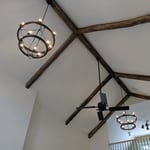
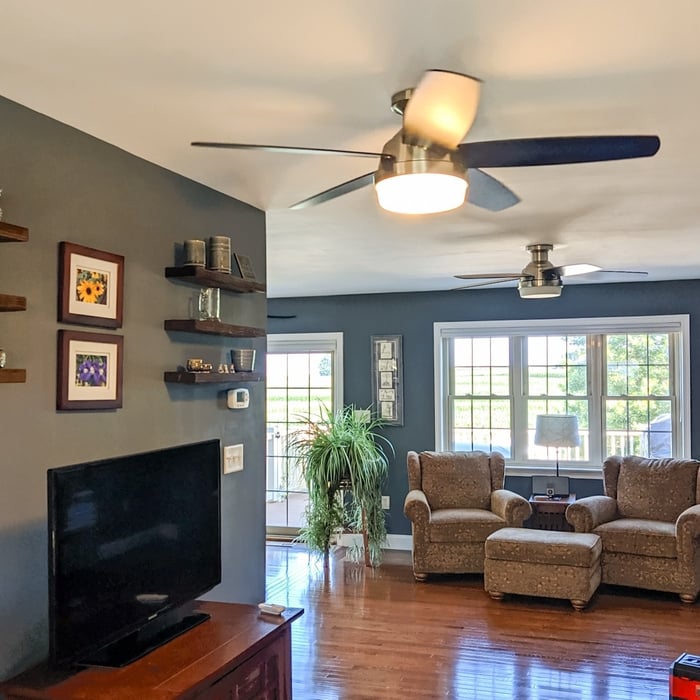
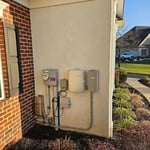
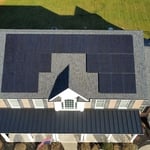
Jim was very professional, friendly and informative. He knew exactly what to do and did all the jobs quickly without disturbance.
We initially hired Mr. Electric do the 200 amp panel upgrade but quickly realized what a great electrician we had so we asked for a quote to do other jobs in our home. The quote was very fast and Tom worked with us to get it in our hands and worked around our schedules to get the work completed. We are really pleased at all the work and will gladly recommend Mr. Electric to all. We will always use this company for all things electrical!
"Dave was very pleasant and professional. the worker that he sent out to do the job was very nice and friendly. He knew what he was doing and did a good job. I would hire them again if I needed any electrical work done."
We pride our company on reliability, great communication, integrity, and quality work. We are experts in our trade and will do our best to keep you as educated as we can on your particular task or project. We look forward to earning your business!
As a residential electrician you never know what you’re going to get into, that is why I love giving my customers a free estimate to help prepare them for the upgrade, repair, or new installation they’ve been thinking about. From panel upgrades just a simple dimmer switch installation, I bring a quality of work and up-to-code knowledge to help you improve your home.
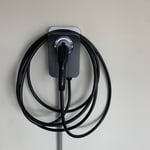
"Honestly couldn't have asked for a better experience. Valence Electric showed up when they said they would, did an awesome job installing our home charger, and left the workspace cleaner than they found it. Fair, honest, and genuinely great guys to work with. If you're looking for solid electrical work done right, look no further."
Yes, the National Electric Code (NEC) requires at least one GFCI outlet in each sectioned-off portion of an unfinished basement, partly to ensure a power source is available for a sump pump in case of flooding. If you install multiple outlets in your unfinished basement, all of them must be GFCI-protected. For finished basements, standard outlets are generally permitted, but at least one GFCI outlet is still required per circuit. Keep in mind that local municipalities may have additional codes, so it's best to consult a licensed electrician to ensure your home is fully compliant.
Baking soda is an effective fire reduction method. However, flour and baking powder are very dangerous around flames. Flour is flammable and it can also conduct electricity. The combination can cause serious injury from electrical shock and worsen the situation by adding fuel to the fire. Baking powder is also not an option as it's also highly flammable.
If you need to run a wire from the meter to the breaker box, start by turning off the power using the main switch to avoid injury risks from live wires. Then, locate the ground wire from your meter and connect it to the ground bar of the breaker box. Connect the neutral wire using the same method to improve your circuit efficiency.
Next, locate the hot wires running from the main switch to the meter. To connect them to the correct terminals from meter to breaker, unscrew the nuts of the breaker hotwire terminals, insert the positive hotwire, and ensure it’s firmly attached. Finally, secure the wires with electrical tape and wire tie cables before re-securing your breaker box. Keep in mind that this process can be dangerous, so don’t hesitate to hire a local electrician.
According to the National Electrical Code® (NEC®), the electrical code for kitchen outlets states that electrical outlets in a kitchen should be installed no more than 48 inches apart. This ensures that a receptacle is no further away than 24 inches from any place on the countertop. Countertops wider than 12 inches need an outlet on the wall above the countertop.
You should install a 25-amp breaker for your outdoor electrical outlet. If your outlet is only for use in an outdoor kitchen area for standard appliances, then a 15- to 20-amp circuit breaker should work. However, you will need to install a GFCI receptacle or breaker to ensure that the breaker trips on contact with water.
The Terre Hill, PA homeowners’ guide to electrical services
From average costs to expert advice, get all the answers you need to get your job done.
Is it time to upgrade your electrical panel? For the sake of safety, find out sooner than later by exploring our top signs that it’s time for an upgrade.