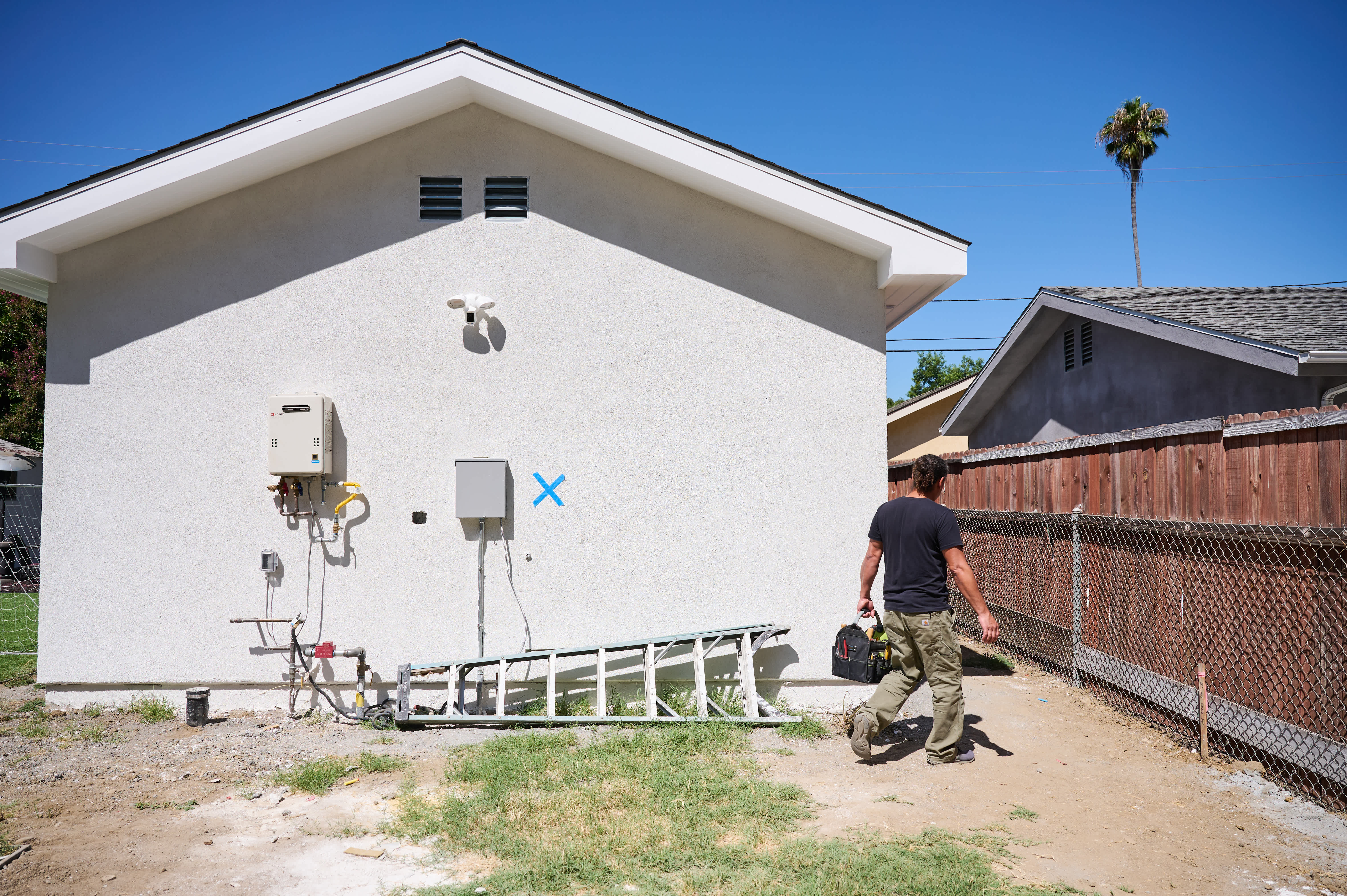
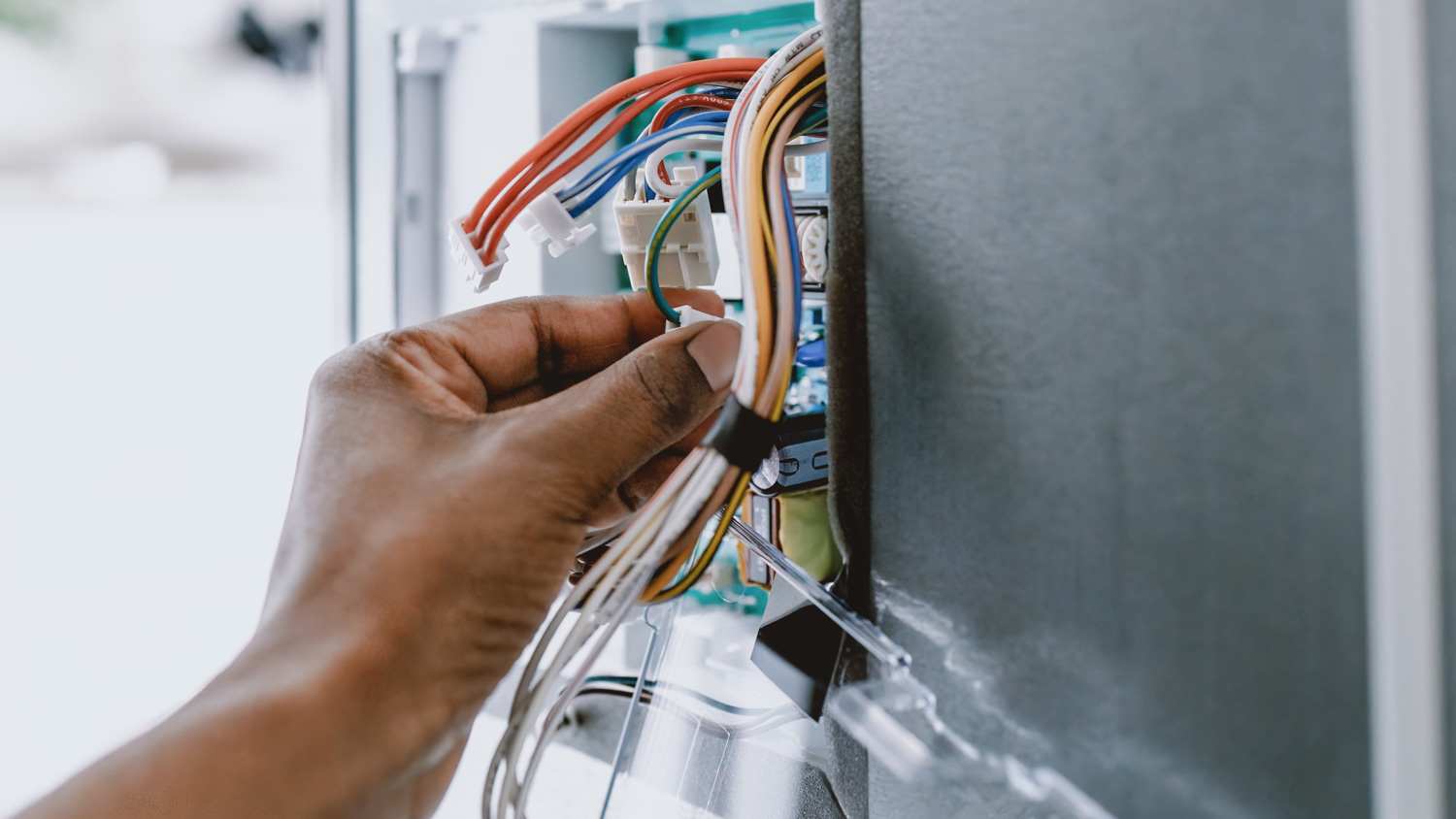
"He was very friendly and did a nice job. He also gave me advice on other electrical work that I would like to do in the future and I will remember him when I get it done."
With 25 years of experience, JCS Low Voltage LLC is here to help! We offer a variety of low voltage services. We are based out of the Shillington, PA area. Give our team a call today. We're looking forward to working with you!
\n
"We had personal EV charging station installed by this business' technician. He is very professional, explained all options how to get wires from main electric panel to the other side of the house where it would be convenient for us to charge the car. Provided all required materials and get job done fast and safely, made sure everything works properly."
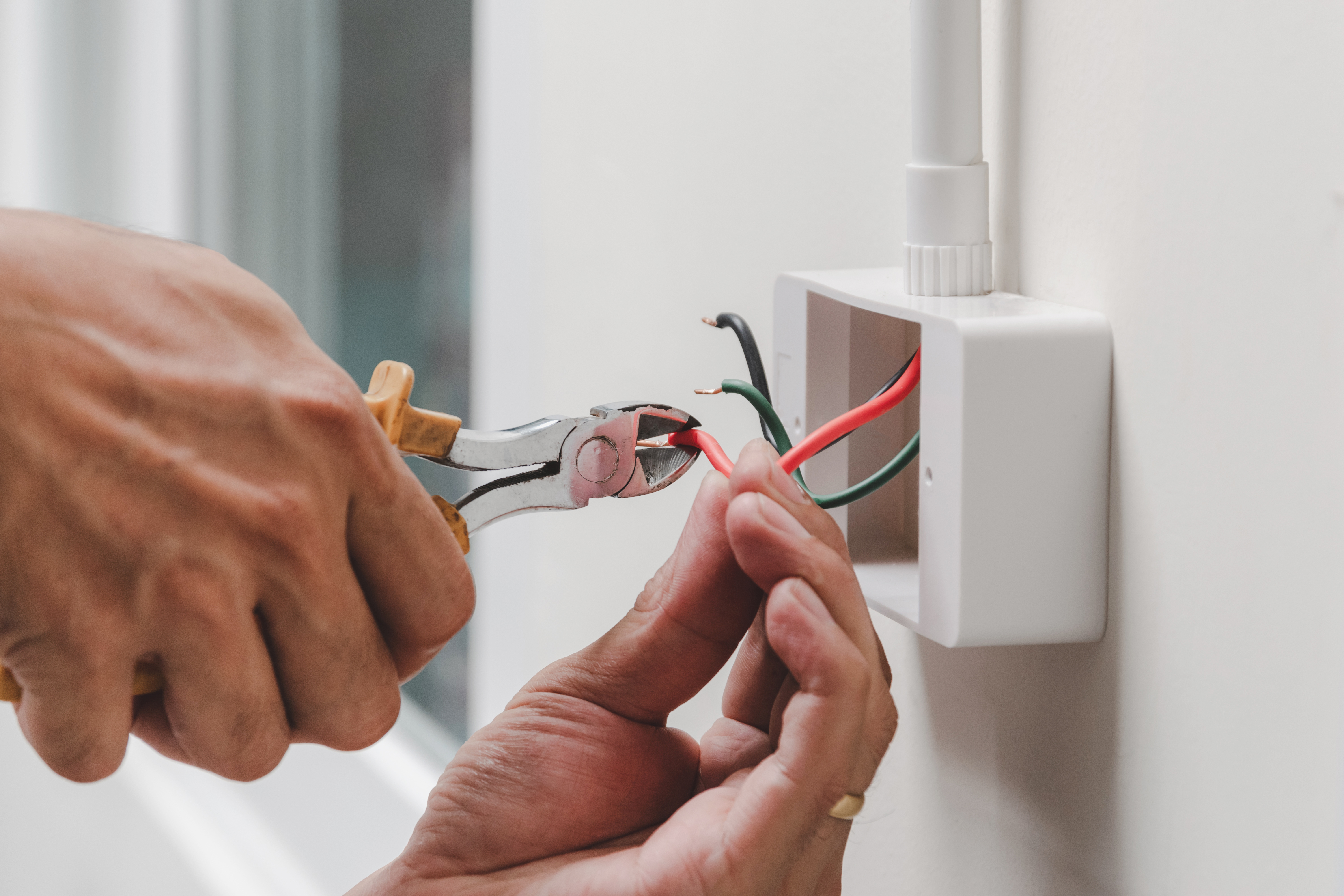
Many wire nuts can accommodate three wires of various gauges; you should check the packaging of the nut to confirm you are buying the correct size. In addition, there are screw terminals that accommodate various numbers of wires; these might also be called “terminal blocks,” and exist to connect multiple wires.
You should always turn off a breaker whenever electrical work is being done. This step can prevent electrical shock and injury. Also, if a breaker is repeatedly tripping, it can mean there is an electrical overload, and it should be shut off. You should contact an electrician to figure out the cause. Make sure to review how to turn off your circuit breaker safely if you do it yourself, and follow safety precautions to avoid severe injuries.
Volts and watts aren’t directly convertible units—they measure different aspects of electricity. Volts measure electrical potential, while watts quantify the power. The relationship between the two is defined by the equation: Power (watts)= Voltage (volts) x Current (amperes). In other words, the product of volts and amps results in watts, but there is no fixed conversion of volts into watts.
Whether or not a pool needs a dedicated circuit depends on the electrical needs of the motor, lights, and pump. Keep in mind that pool motors can use a lot of electricity. A dedicated circuit can prevent the breaker from tripping whenever you use the pool. A small motor for an equally small pool may only need a GFCI outlet. It’s best to plug it directly into the outlet rather than using an extension cord. You should also consult an electrician to ensure your pool’s electrical system is in accordance with local regulations.
Yes, it’s possible to use a three-way switch as a two-way switch. You can use a three-way switch as a two-way switch by bypassing one of the traveler wires and using only one of the available traveler switch terminals.
The Saint Lawrence, PA homeowners’ guide to electrical services
From average costs to expert advice, get all the answers you need to get your job done.
Before you hire a licensed electrical contractor, you should learn the cost to run electric from the road to your house so you can budget for the project.
Whether you’re shopping for a new home or simply doing a safety check on your current place, learn what factors influence an electrical inspection cost.
Is it time to upgrade your electrical panel? For the sake of safety, find out sooner than later by exploring our top signs that it’s time for an upgrade.