
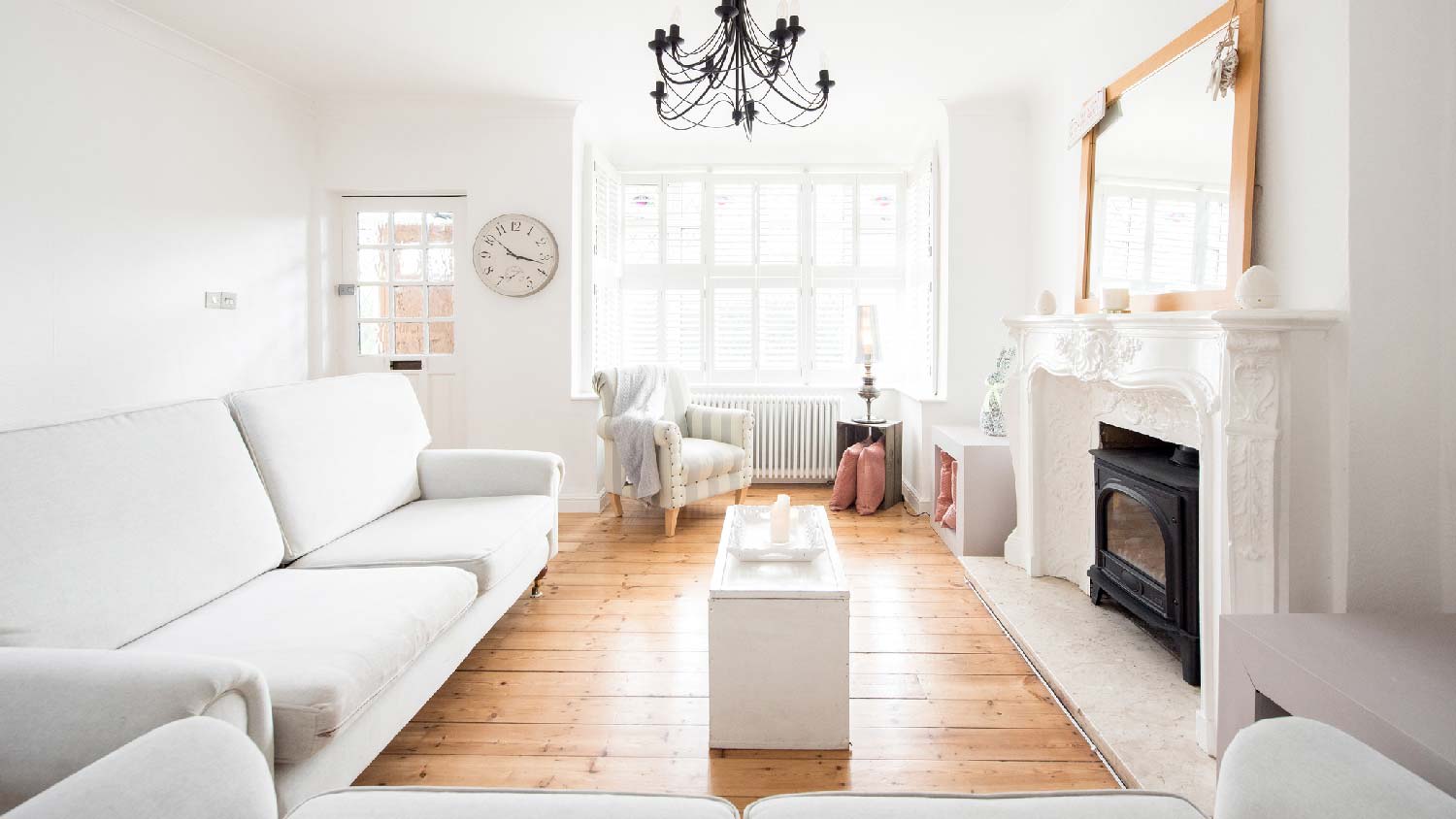
The cost to replace plaster with drywall can quickly add up. This guide will help you budget for this project and decide if it's worth the effort and cost.
It can be a long wait, but it’s worth it in the end

How long plaster takes to dry depends on humidity, temperature, ventilation, and thickness, with your walls needing one to four hours to dry to the touch.
Plaster needs three to five days to fully cure before you paint or wallpaper, as trapped moisture weakens the material and causes finishes to peel or chip.
You can speed up drying by opening windows for airflow and maintaining comfortable room temperatures, but avoid high heat that causes cracks in your plaster.
Hiring a local plaster repair professional removes the guesswork from application and timing, helping you avoid crumbling walls and ensuring your finish work looks its best.
Forget plastic, it's plaster that's fantastic. Often considered a precursor to drywall, plaster still has its place in modern homes, as it's beautiful and eco-friendly. If you decide to use it, you need to know how long the plaster takes to dry, as its drying time affects what you can do next and when you can do it.
| Plaster Drying vs. Curing | Time | Description |
|---|---|---|
| Drying | 1–4 hours | Plaster becomes dry to the touch but is not completely set |
| Curing | 3–5+ days | All moisture has evaporated, and you’re ready to finish, paint, or wallpaper |
It’s important to understand the difference between plaster drying and plaster curing. When plaster dries, moisture evaporates from the surface of the material. The plaster becomes dry to the touch and appears set.
Curing is a longer, more involved process. All the moisture evaporates when plaster cures, leaving a hard, completely dry material. "Dry" plaster may still contain some moisture beneath the surface. It will look and feel dry, but if you sand the plaster, you may discover it's still wet.
Painting or otherwise treating a plaster wall before it's fully cured can affect your final results. As moisture seeps out of the plaster, it will affect the finish, causing your paint to chip or your wallpaper to peel away.
Finishing the wall before the plaster is cured also affects the integrity of your project. The paint or wallpaper can trap the moisture inside the wall, making the plaster more likely to crumble and deteriorate. Before you move on to the next step in your project, such as painting your walls, give your plaster ample time to dry and cure.

Plaster needs one to four hours to dry to the touch. Each layer needs a few hours to dry if you're applying an undercoat or finishing plaster. A special plaster, such as lime plaster, may need up to one week to dry to the touch.
Plaster needs three to five days to cure on average, but in some cases, it may take up to a couple of weeks. When plaster is fully cured, all the moisture is gone from the material, leaving it rock solid.
If you're patching a plaster wall, the patched area may cure in a couple of days. If you're coating the entire wall in plaster or building a plaster wall from scratch, you may need to wait two weeks or longer for it to cure.
Several factors affect how long plaster takes to dry and cure, including:
Humidity levels: Water must evaporate out of the plaster to dry. When humidity levels are high, it takes longer for water to evaporate, leading to longer drying and curing times.
The amount of plaster: If you apply the plaster in thick coats, it will need more time to dry, as there's more moisture and the water has more layers to travel through.
Temperature: Ambient temperature also affects drying times. Colder temperatures slow down drying, and hotter temperatures speed it up. The ideal temperature for plaster drying is a comfortable room temperature. When a room is too hot, the plaster can dry too quickly, causing cracks.
Airflow: Good ventilation can reduce plaster drying times, as decent airflow helps moisture travel out from the material more efficiently. Opening a window may be all you need to do to improve ventilation and reduce drying time.
Painting a plastered wall before the plaster is fully dried and cured can affect the quality of the paint job or the plaster itself, depending on the stage of the drying process. If you paint before the plaster is dry to the touch, the paint won't adhere well to the material and will flake or peel off. You may also notice adhesion problems when you apply the paint or as it dries.
Painting too soon can affect the quality of plaster. If the plaster is dry to the touch but not fully cured, the paint can create a barrier, preventing the remaining moisture from escaping. The trapped moisture can weaken the plaster, causing it to crumble.
As plaster dries and cures, its appearance changes:
When you apply wet plaster, it's brown.
As it dries, the plaster turns light pink.
It's fully cured once the entire surface is light pink, with no brown spots or wet-looking areas.
Positive experience. As previously stated, the replacement/repair could not be completed (no fault of the plumbing tech) b/c misinformation was rec?d by property management maintenance. Thanks to the plumbing tech for your efforts. Appreciate you!
 The Waterworks
Carpet repair done well. Scheduling was easy. Showed up on time.
 BR Flooring Installation
I would recommend this company to anyone! He showed up on time, was friendly, completed a very difficult repair on our dryer vent cover, was responsive, and pricing was extremely fair and competitive. I would have him back to do any of our repairs or cleanings without hesitation!
 U.S.A. Dryer Vent, LLC
Everything from initial contact to completion was absolutely top notch. We contacted the business during off hours to leave a message, and the owner still reached out to feel out the issue within minutes. We were scheduled and repaired within 48 hours. I cannot say enough about the...
 Supreme brick & chimney
Ace Fireplace Services came to the rescue for my chimney repair. They were quick to pinpoint the issue and worked their magic to fix it. My chimney is now in excellent shape, and I'm a satisfied customer.
 Ace Fireplace Services
Great experience all together. Dog friendly, courteous, great results and honest with recommendations. Will certainly be using Cardinal in the future for any carpet repairs
 Cardinal Carpet Care & Repair
Description says they handle window repair including rotten hardwood - they called me back right away but didnâ t leave a voicemail. I followed up 3 days later and they said they donâ t do that kind of work.
 Window-Gurus
Very good experience. He even moved things around in my bedroom to get to the wall. I would highly recommend him for plaster. I plan to have him come back.
 Peter J Grady
Great guys. Spend a lot of time repairing and prepping our walls before doing the new paint. Home looks great now.
They did an excellent job with the repair, took care of all communication with the insurance company and had car rental service also with a very reliable, quality care
 Three C Body Shop
From average costs to expert advice, get all the answers you need to get your job done.
The cost to replace plaster with drywall can quickly add up. This guide will help you budget for this project and decide if it's worth the effort and cost.

The cost of plastering walls and ceilings depends on the room size and ceiling height. Our tips can help you estimate an accurate cost.
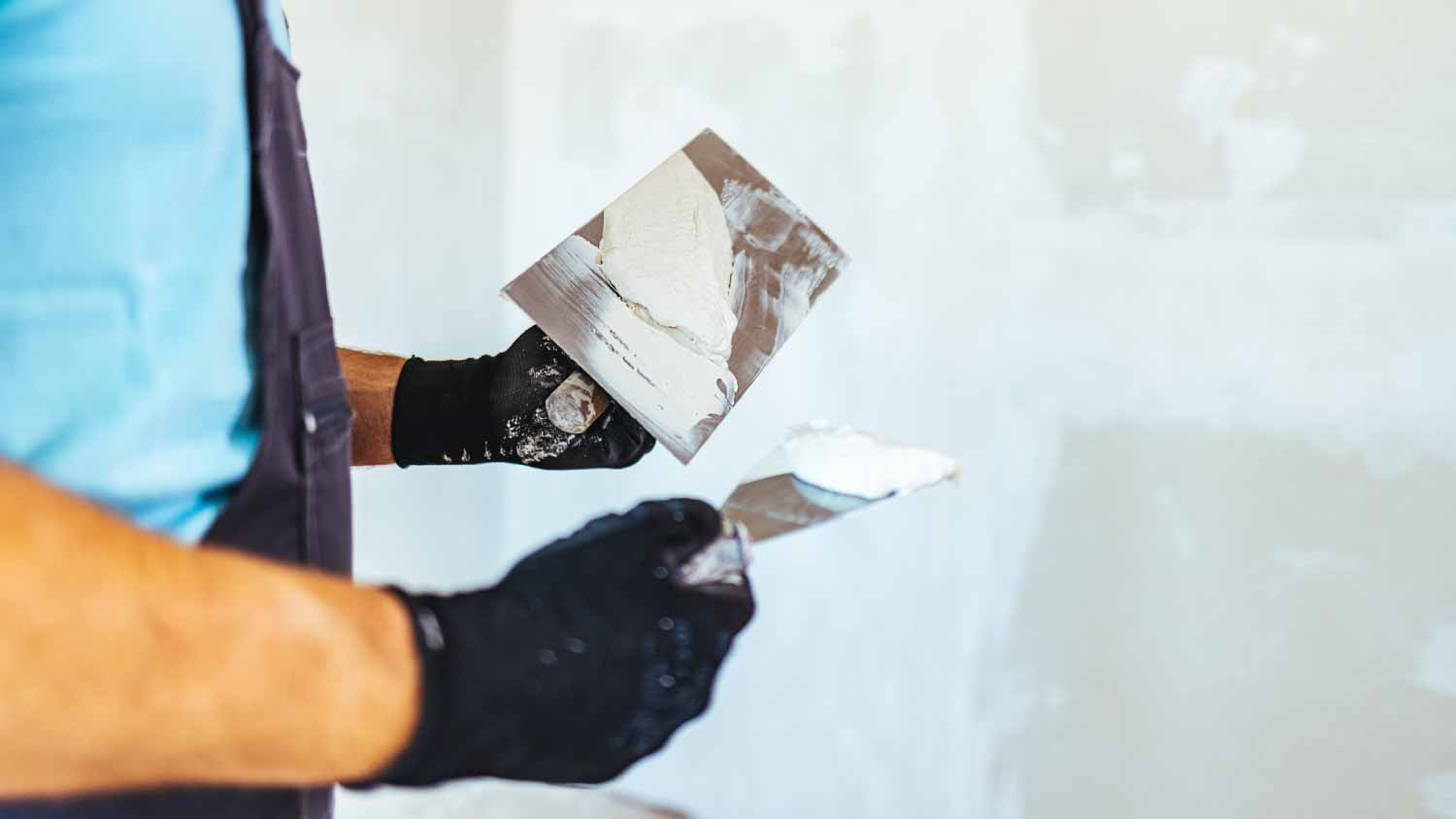
Plaster repair costs are determined by the size and type of damage. Discover why some fixes you can DIY and why some require a pro’s help.
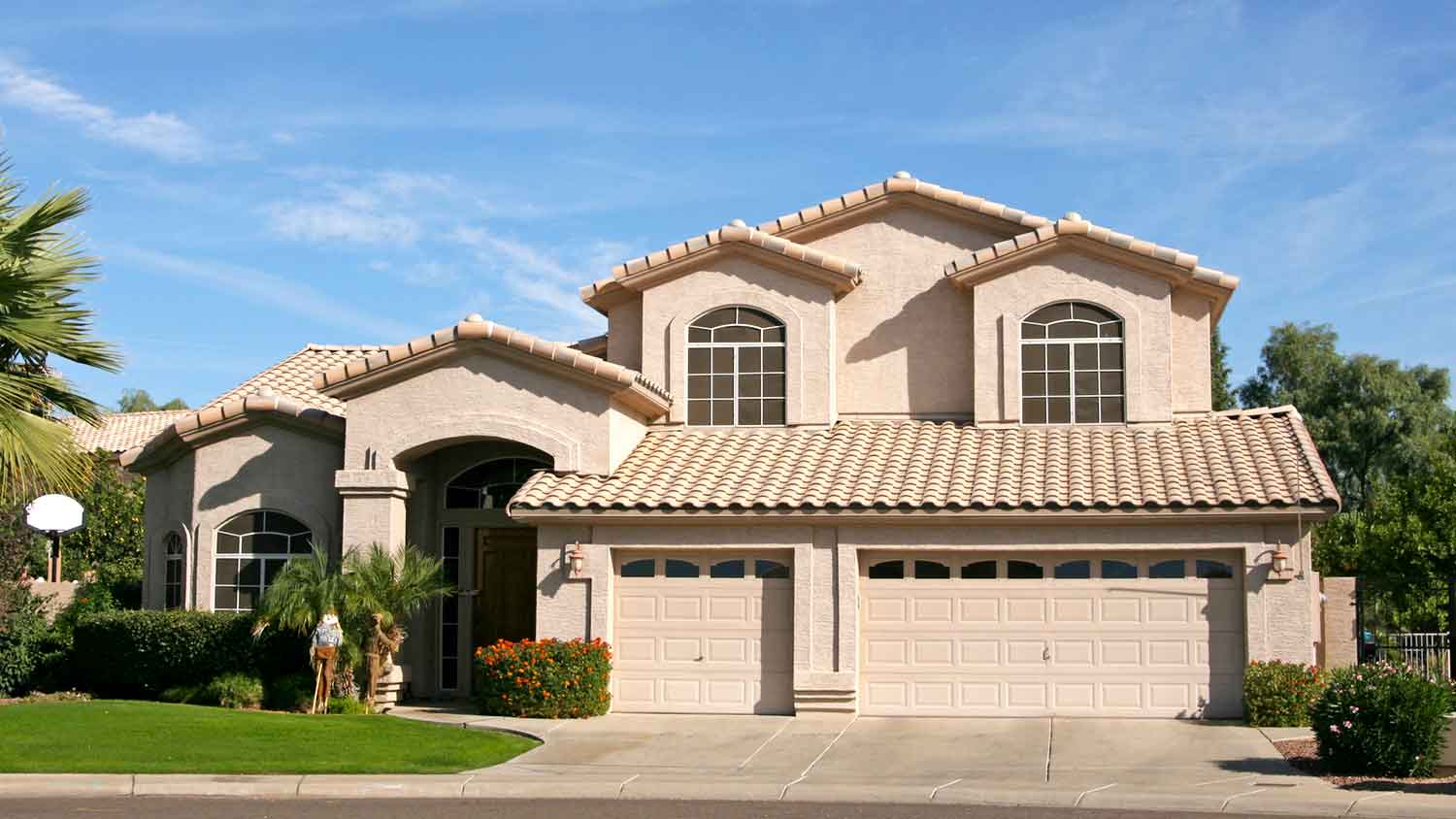
Knowing how long stucco takes to dry is crucial for project planning and longevity. Learn the average dry time and what affects it for the best results.
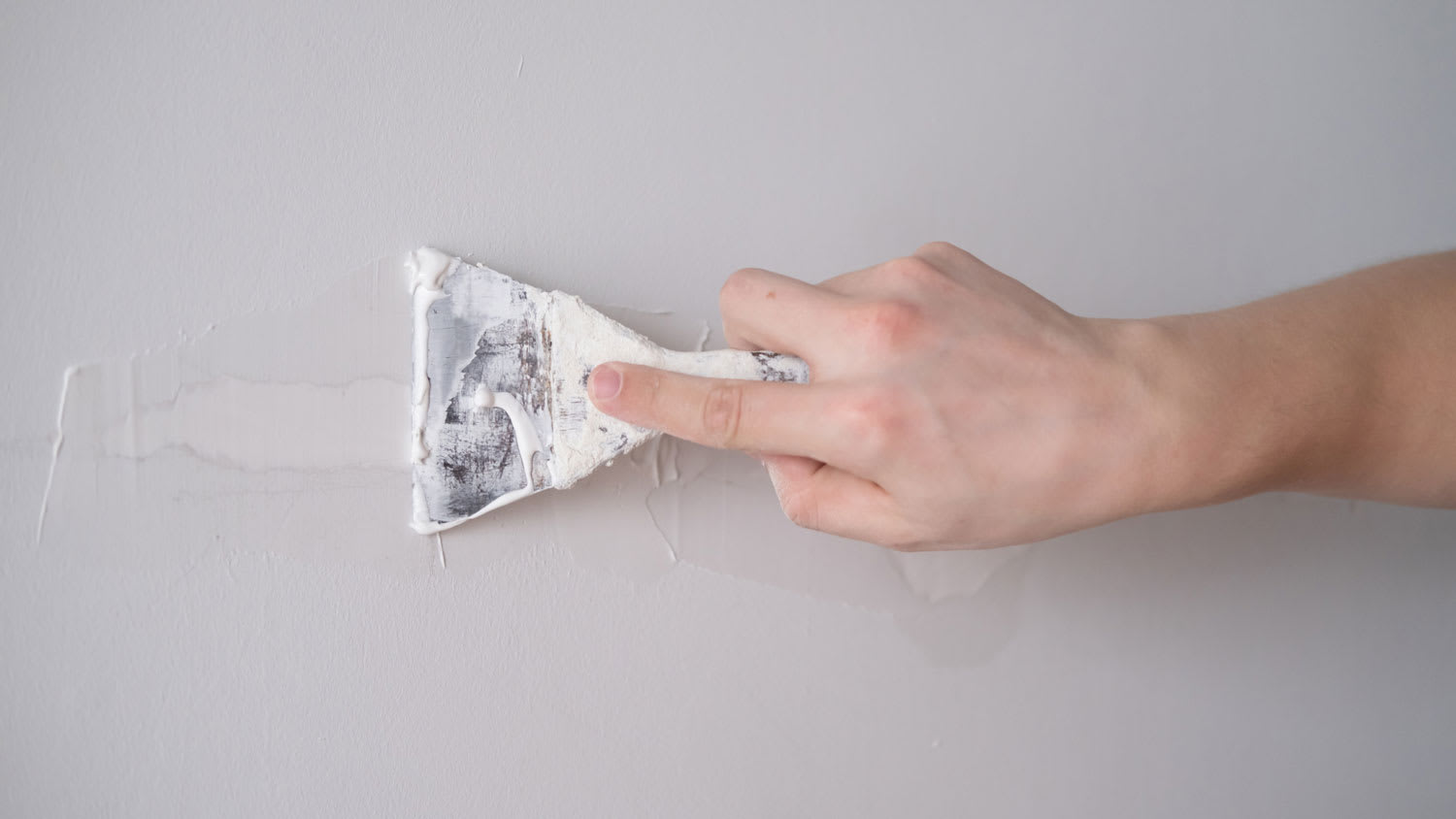
After spackling your walls, you’ll have to wait until it’s fully dried before painting, but how long? Use this guide to estimate how long spackle takes to dry.
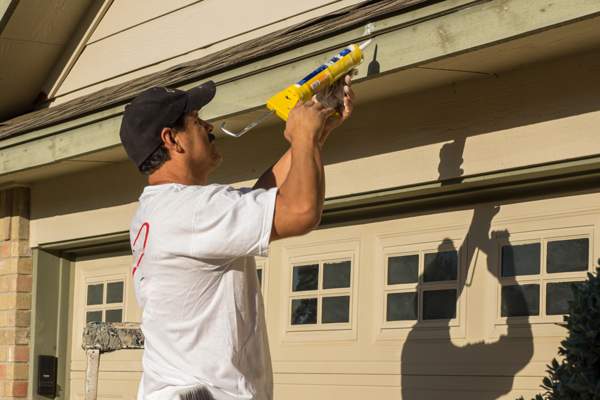
Allowing your caulk to fully dry and cure is key to long-lasting results. But how long does it take for caulk to dry? Learn the factors that affect the process.