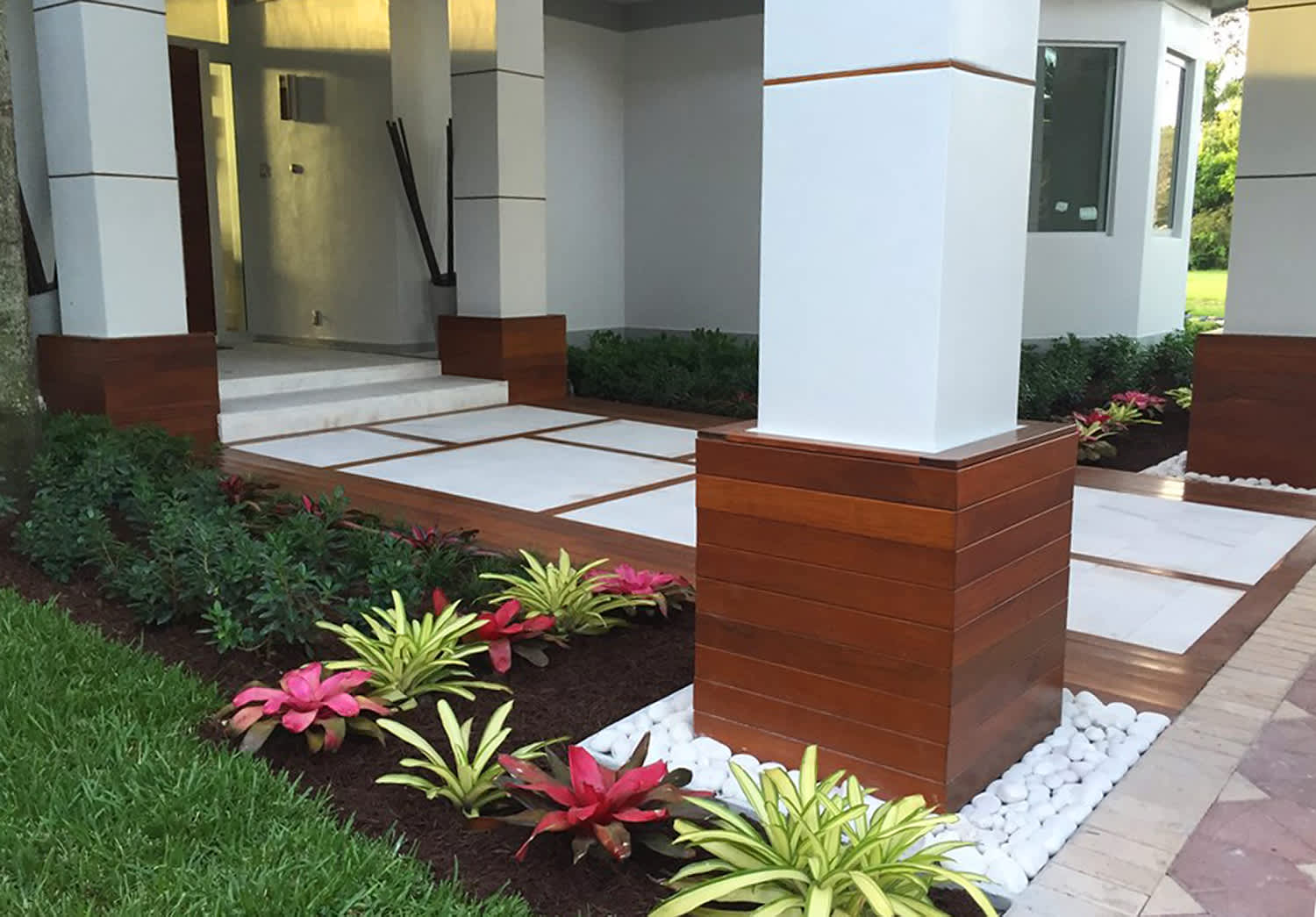
Top-rated landscapers.

Get matched with top landscapers in Harvard, NE

Enter your zip and get matched with up to 5 pros

Need a pro for your landscaping project in Harvard, NE?

Select your specific project to find the pro for you.

Find Landscapers in Harvard

Avatar for O&R CONSTRUCTION LLC
O&R CONSTRUCTION LLC
5.0(
1
)
Retaining Wall - Install

Serving Harvard, NE and surrounding areas

In business since 2018

Free estimates

Offers commercial services

With years of experience serving the area, we are your solution for all your landscaping needs. We take great pride in our extreme professionalism, timeliness and superior customer service on every job. We make sure to develop a lasting relationship so that the next time service is needed there will be no question on who to call. Check out our 5 star reviews from happy customers! Call us today so we can discuss your needs and make a plan that fits your budget. Satisfaction guaranteed!

Recommended by100%of homeowners
...
Showing 1-10 of 54
Landscaping questions, answered by experts

A scattering of leaves won’t pose a problem through the winter, but a thicker layer of leaves may not decompose before the first frost and can instead weigh down your grass and harbor mold or fungi. A thick layer of leaves also cuts off light and air that grass needs to grow. That’s why we suggest removing thick leaf layers within several days if possible. If your lawn goes dormant over the winter and snow has already caught up with you, then remove the leaves in early spring before your grass-growing season starts so your lawn can thrive.

Many people have used old tires in gardens as raised beds, planters, tree rings, and DIY decor. However, these uses are not recommended due to the toxicity of many of the chemicals used to manufacture tires. These chemicals can leach into the soil and water as the tire breaks down, creating environmental pollution and health hazards for gardeners and their families.

A half inch above ground level is ideal for metal edging. This provides enough depth for the edging to hold in place and enough height to keep in most landscaping materials (like mulch or gravel). If you install edging too high off the ground, it will stand out from your landscaping and pose a tripping risk. If you install it too low, your ground cover won’t stay in place.

The best type of rock for landscaping depends on your specific project and needs, as different rocks are suited for different applications. For covering large areas or creating an affordable driveway, consider gravel, but note that it can wash away in flowing water. For water features, river rocks are a good option. Flagstone and cobblestone are ideal for aesthetically pleasing patios and walkways. If you are building a stone wall, fieldstone or small boulders are up to the task. Large boulders and landscape rocks work well as statement pieces, to fill empty space, or to indicate boundaries, but be mindful that they can overwhelm smaller gardens. The best approach is to first define your landscaping project and then select the rock type that best fits that purpose.

It is possible to DIY complete hardscaping projects, but in most cases, hiring a professional is best to get the job done correctly. Hardscaping—including installing patios, decks, retaining walls, walkways, and water features—is challenging and time-consuming, so the money you spend on a professional is typically worth it. Not only will the quality be better, but you could avoid problems that come along with a lack of hardscaping experience, like drainage issues that can lead to costly foundation damage and leaks in your home.

The Harvard, NE homeowners’ guide to landscaping services

From average costs to expert advice, get all the answers you need to get your job done.