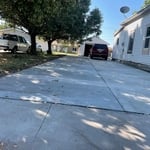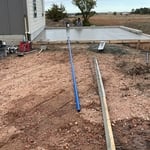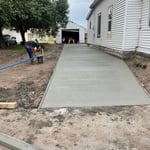




Top-rated asphalt driveway pros.

Get matched with top asphalt driveway pros in Harvard, NE

Enter your zip and get matched with up to 5 pros

Need a pro for your asphalt driveway service project in Harvard, NE?

Select your specific project to find the pro for you.

Find Asphalt driveway pros in Harvard

Asphalt Driveways questions, answered by experts

Building a road on a slope requires careful planning and will normally require a drainage system underneath to prevent flooding and damage to the road over time. Your professional may lengthen your road to create switchbacks if the slope directly to your home is too steep, as there are regulations for maximum road slope. The drainage system will help prevent runoff from the higher side of the slope from damaging the asphalt or concrete. Keep in mind that building a road on a slope isn’t a good DIY project, as a lot can go wrong.

Common alternatives to a gravel driveway include concrete, asphalt, brick, stone pavers, and permeable pavers. Concrete and asphalt are generally the most affordable options. However, concrete can be prone to cracking in cold climates, while asphalt may soften in areas with high heat and direct sun exposure. For enhanced curb appeal, brick, stone, and permeable pavers are popular choices, though their installation can be more expensive due to intricate designs. Stone pavers offer a natural look and are sometimes installed with gravel around them. Both permeable pavers and brick driveways provide excellent drainage, which helps prevent flooding and reduce water runoff.

Wet cutting is usually the preferred method. It controls dust, which helps protect your lungs and makes for a cleaner working environment. Plus, the water cools the blade, preventing overheating and prolonging its life while providing smoother, more precise cuts. The downside is the mess—water and asphalt sludge can be messy to clean. Dry cutting, though convenient if water isn’t available, creates a lot of dust, which can be harmful. This also increases the risk of blade damage due to overheating. So, if you have the option, wet cutting is the better method for most asphalt jobs.

Asphalt is not a type of concrete. While both are a common type of pavement, asphalt is composed of aggregates (like sand and gravel) and bitumen; concrete is a mixture of cement, aggregates, and water. Here are some of the key differences between asphalt and concrete driveways.

You can expect your asphalt pavement to last anywhere from 20 to 30 years, or 25 years on average. The life expectancy of your asphalt driveway depends on the climate, the amount of traffic, and how well you maintain it. While you can’t necessarily control some of these factors, you can control the amount of maintenance effort you put into your driveway. 

To prevent your asphalt from deteriorating prematurely, you should follow a good maintenance routine involving regular cleaning, reparation work, and resealing.

The Harvard, NE homeowners’ guide to asphalt driveway services

From average costs to expert advice, get all the answers you need to get your job done.

What do you need done? We’ll find top pros.
  • 🌱 "Mow a small front yard"
  • 🛠 "Fix a leaking pipe under the sink"
  • 🏠 "Repair shingles on an asphalt roof"