




Top-rated arborists.

Get matched with top arborists in Gibbon, NE

Enter your zip and get matched with up to 5 pros

Need a pro for your arboricultural service project in Gibbon, NE?

Select your specific project to find the pro for you.

TRUSTED BY GIBBON, NE HOMEOWNERS

  • Average homeowner rating star icon4.6
    Average homeowner rating
  • Verified reviews icon18
    Verified arboricultural services reviews

Find Arborists in Gibbon

Greenbean Industries
4.6(
22
)
Tree RemovalTree Removal - For BusinessTree Trimming+1 more

Serving Gibbon, NE and surrounding areas

In business since 2007

Free estimates

Credit card accepted

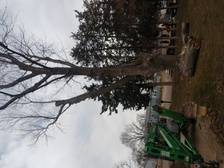
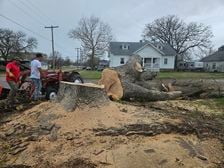
"Work was fast, efficient, and careful - absolutely minimal impact to the lawn on which equipment was placed. Clean up was very good. Both Aaron and his partner were amenable, personable, and highly professional. A good experience for my wife and me, and I will hire them again."
Response time5 hrs
Recommended by100%of homeowners
Showing 1-10 of 17
Arborists questions, answered by experts

If you don’t cut down a dead, dying, or diseased tree, it can become a nesting place for pests like mosquitos, bees, beetles, wasps, fly larvae, and more. Some pests will live in the tree, while others will feed off the decaying wood. Unhealthy trees are also more likely to fall over, potentially injuring people and causing damage to your property.

It enhances property aesthetics, improves tree health, and prevents safety hazards.

A tree can split because of high winds, a change in temperature, or from an infestation or tree disease. All of these factors can overlap, making a single cause difficult to pinpoint. While winter storms are some of the most common causes for a tree to split, it can also happen because of termites or rot.

You’ll want to have your palm trees trimmed during the spring, ideally in May, before hurricane season sets in, which generally takes place during the late summer. Palm trees grow fastest over the summer months. You’ll also want to trim your palm trees when you notice:

  • Brown fronds 

  • Dry leaves

  • Flower pods

  • Fruit

  • Fronds overgrown in power lines

  • Frond encroaching upon your neighbor’s home or yard 

  • Visible damage from a storm

Using vinegar to kill tree roots is just one of the clever ways to use vinegar around the house. The method works best when you apply vinegar as directly to the root system as possible. For example, if the old tree roots and stump are currently exposed, drill holes in the tops of the roots and pour undiluted white vinegar into the holes to soak into the plant. Remember that vinegar can kill the surrounding grass and plants should it pour over the edge.

The Gibbon, NE homeowners’ guide to arboricultural services

From average costs to expert advice, get all the answers you need to get your job done.