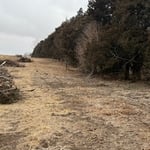
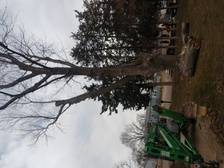
First Due Land Solutions LLC is a locally owned and operated land management company based in central Nebraska, proudly serving homeowners, farmers, ranchers, developers, and commercial clients. Built on a foundation of hard work, reliability, and a first responder mindset, we bring the same dedication and urgency to every project big or small.\nWe specialize in a wide range of services including hydroseeding, land clearing, forestry mulching, tree removal, brush and pasture management, site preparation, and property cleanup. Whether it’s reclaiming overgrown land, preparing a site for construction, or improving the health and usability of your property, we have the equipment and expertise to get the job done efficiently and professionally.\nAt First Due Land Solutions LLC, we take pride in delivering high-quality results, honest pricing, and dependable service. Our goal is simple: help you take control of your land and bring your vision to life.
Customer satisfaction is what determines our success, which is why we take a hands-on approach. When interacting with C&D Construction and tree service, you'll notice that we're particularly focused on the principles of quality workmanship, timely completion, competitive pricing and integrity in all our business dealings. We combine knowledge and research with our extensive practical experience to ensure a specialized approach for your project needs. Contact us today for a fair and accurate estimate of your project. We look forward to adding you to our long and growing list of happy customers.
\n
We take great pride in our experience, expertise, quality and customer service, that we provide to meet the consumer's needs. It is our mission to provide excellent workmanship, and complete customer satisfaction, from start to completion of a project. In order to understand the needs and expectations of our customers, we take great care to work and communicate, with every customer in a professional manner. Our reputation is based on service, safety and quality, regardless of how large, or small the job. Call us today!
Hometown Haulers LLC, We are committed to excellence in every aspect of our business. We uphold a standard of integrity bound by fairness, honesty and personal responsibility. Our distinction is the quality of service we bring to our customers. Accurate knowledge of our trade combined with ability is what makes us true professionals. Above all, we are watchful of our customers interests, and make their concerns the basis of our business.
With years of experience serving the area, we are your solution for all your (PWC) needs. We take great pride in our extreme professionalism, timeliness and superior customer service on every job. We make sure to develop a lasting relationship so that the next time service is needed there will be no question on who to call. Check out our 5 star reviews from happy customers! Call us today so we can discuss your needs and make a plan that fits your budget. Satisfaction guaranteed!
We are a locally owned and operated company that values honesty and integrity and treats your home as if it were our own. We specialize in interior painting and provide unmatched customer service! You will find us to be competitively priced, paying close attention to the details of each and every project that we are involved with. We look forward to building lasting relationships and guarantee your satisfaction!
\n
Branching Out Tree Service is great at what we do. We take pride in making your outdoor space much neater that when we arrived. We are timely and professional. With many years experience, we can do it all. Call us today.
Usually, trees cannot grow back after their stump has been ground, but some very hearty types of trees can. For example, if you have a black locust or Redford pear, the grinding will need to go deep to prevent them from growing back. Ask your tree service or stump removal expert whether your tree can resprout after its stump is ground down.
Firewood tends to be cheaper during the spring and summer. When the demand for firewood is lower during these seasons, many firewood companies offer lower prices and added discounts. In addition, the supply of firewood is typically higher in these months, meaning the quality is typically higher as well.
The recovery time for pruning depends on how much you prune, the species of tree, and how well you care for it afterward. All trees grow new wood and often sprout additional branches after pruning. Ideally, trees should recover from normal pruning after one or two years. Heavy pruning or slow-growing trees may take several years to fully recover.
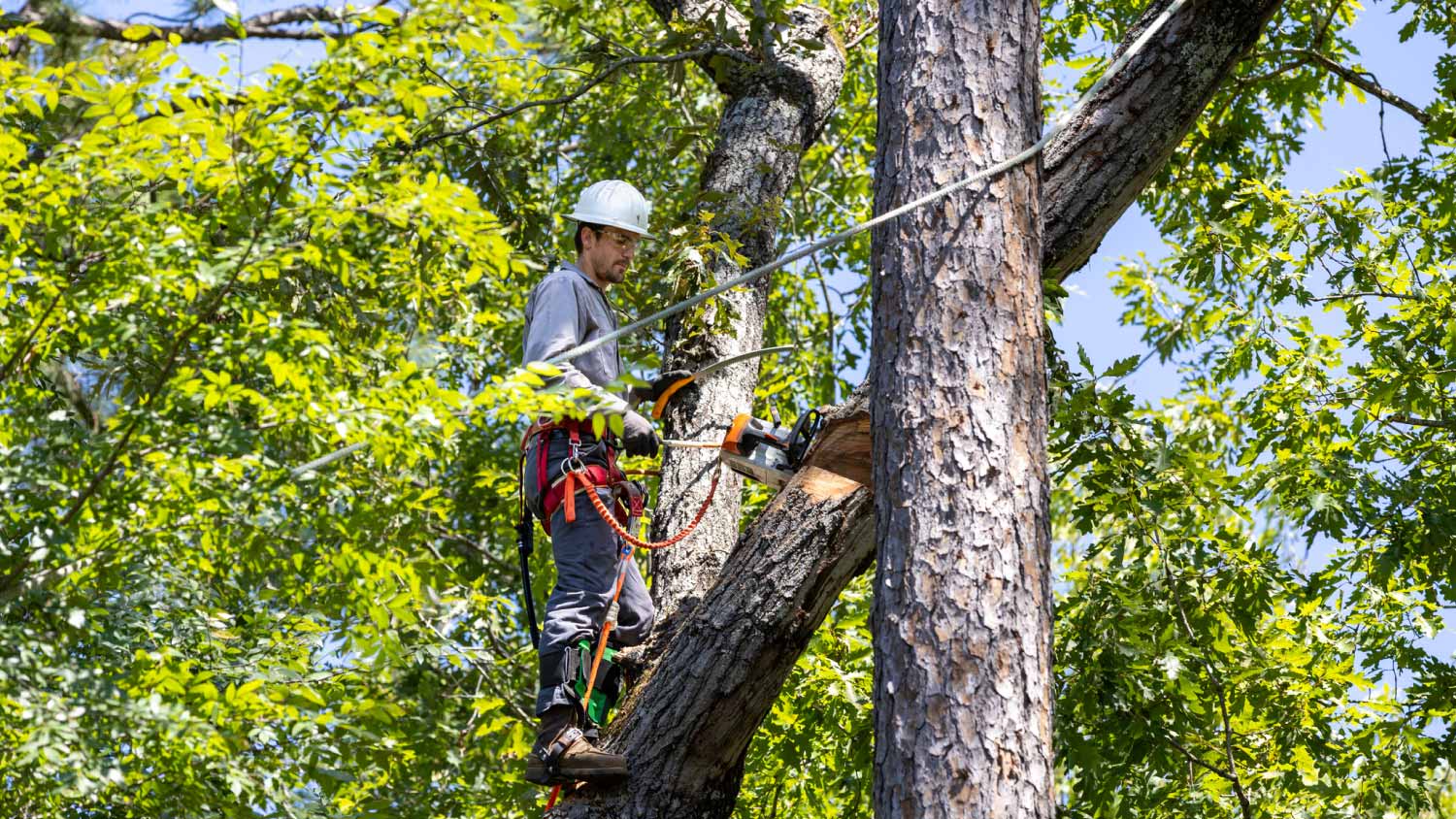
The best time to cut down a tree is during its dormant season, typically in winter or early spring, after all the leaves have fallen. Removing a tree during this period is advantageous for several reasons. Frozen ground helps secure the tree stump, protects the surrounding landscape from damage, and reduces the risk of the tree falling in an unintended direction. With the leaves gone, there is less risk of the tree's foliage getting tangled with other trees. Additionally, since this is often a slower season for tree services, you may be able to hire a professional at a lower rate. This dormant period is also the best time for tree trimming.
There are a few general rules to follow that will help you prune your trees correctly. One of the most important rules is to prune during the correct season for the type of tree you have. Typically, pruning should be during late winter. For younger trees, you should not remove more than a ⅓ of the tree's crown when pruning. Also, remember to remove dead and diseased branches first, then proceed with pruning the rest of the tree.
The Franklin, NE homeowners’ guide to arboricultural services
From average costs to expert advice, get all the answers you need to get your job done.
How much does an arborist cost? This guide explains the cost of different services, ongoing expenses, and other factors to consider when hiring an arborist.
Arborists are specialized tree care experts. This guide will help you hire an arborist with all the qualifications to give your trees the best care possible.