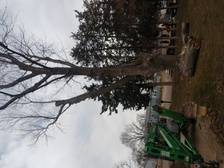
TURBO TREE & LAWN SERVICE LLC proudly serves its customers with pride, integrity and attention to the details that matter most to you. This is one of the many things that sets us apart from the rest. We are locally owned and operated. Give us a call today!
\n
A veteran owned business with over 40 years of experience. FSC Renovations Group not only provides quality workmanship, we listen to the customer and assist them with making their renovation projects come to life. FSC workmanship is second to none. I pride myself with quality and attention to detail. We can provide kitchen design, layouts, ordering, relocating plumbing, electrical, walls, lighting, flooring, installing appliances, etc. Same for bathrooms or any other room projects. We also provide deck upgrades, repairs or replacement.\nI service a large area from York to Kearney and small towns north and south of I-80. We are a veteran owned business based out of Alda, NE. \n\n\n
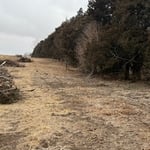
First Due Land Solutions LLC is a locally owned and operated land management company based in central Nebraska, proudly serving homeowners, farmers, ranchers, developers, and commercial clients. Built on a foundation of hard work, reliability, and a first responder mindset, we bring the same dedication and urgency to every project big or small.\nWe specialize in a wide range of services including hydroseeding, land clearing, forestry mulching, tree removal, brush and pasture management, site preparation, and property cleanup. Whether it’s reclaiming overgrown land, preparing a site for construction, or improving the health and usability of your property, we have the equipment and expertise to get the job done efficiently and professionally.\nAt First Due Land Solutions LLC, we take pride in delivering high-quality results, honest pricing, and dependable service. Our goal is simple: help you take control of your land and bring your vision to life.
We take great pride in our experience, expertise, quality, and customer service that we provide to meet the consumer's needs. It is our mission to provide excellent workmanship and complete customer satisfaction from start to completion of a project. In order to understand the needs and expectations of our customers, we take great care to work and communicate with every customer in a professional manner. Our reputation is based on service, safety, and quality, regardless of how large or small the job. Also provides drone areal footage.
\n
We pride our company on reliability, great communication,
\nintegrity, and quality work. We are experts in our trade and will do our best
\nto keep you as educated as we can on your particular task or project. We look
\nforward to earning your business!
\n
Customer satisfaction is what determines our success, which is why we take a hands-on approach. When interacting with C&D Construction and tree service, you'll notice that we're particularly focused on the principles of quality workmanship, timely completion, competitive pricing and integrity in all our business dealings. We combine knowledge and research with our extensive practical experience to ensure a specialized approach for your project needs. Contact us today for a fair and accurate estimate of your project. We look forward to adding you to our long and growing list of happy customers.
\n
Firefly Landscaping, Inc., has been servicing the great state of Nebraska since 2010. Jon Sullivan, is the owner operator of the business and has over 10 years experience in the home lawn care industry. Jon prides himself and the business, on their quality of work, expertise in the field and fair pricing. Firefly Landscaping, Inc., specializes in all phases of lawn care from mowing, spring and fall cleanups and sprinklers. We know your time is valuable and sometimes because of that fact, your lawn suffers ... Please give us a call today and let us take great care of your lawn.
We take great pride in our experience, expertise, quality and customer service, that we provide to meet the consumer's needs. It is our mission to provide excellent workmanship, and complete customer satisfaction, from start to completion of a project. In order to understand the needs and expectations of our customers, we take great care to work and communicate, with every customer in a professional manner. Our reputation is based on service, safety and quality, regardless of how large, or small the job. Call us today!
It may be possible, but transplanting a large, mature tree can be a tricky project, and some trees handle it better than others. If you have a tree you need to save and are considering transplanting it elsewhere, we highly suggest calling a tree removal service and arranging a consultation to see what they say (and how much a full transplant would cost).
You should avoid cutting off the top of mature cherry trees. This process is called tree topping, and it’s not recommended for cherry trees—or any trees, for that matter. Tree topping removes between one-third to half of the length of the tree trunk, resulting in structurally unsound, fruitless suckers. The only exception is for saplings. Young pie, sour, and tart cherry trees that are over 30 inches tall in the fall or winter before the tree blooms can benefit from heading cuts.
Using vinegar to kill tree roots is just one of the clever ways to use vinegar around the house. The method works best when you apply vinegar as directly to the root system as possible. For example, if the old tree roots and stump are currently exposed, drill holes in the tops of the roots and pour undiluted white vinegar into the holes to soak into the plant. Remember that vinegar can kill the surrounding grass and plants should it pour over the edge.
While trees can grow in the curb strip between the sidewalk and the street, this placement often poses the problem of interfering with overhead power lines. It’s best to consult your local utility provider and tree planting service before transplanting a tree that might grow into power lines. Also, you should never work within 20 feet of a live power line to avoid the risk of electric shock. Tree branches should never touch nearby power lines, so it’s essential to ensure your tree isn’t in danger of growing too close to them.
Yes, it’s possible to overwater a newly-planted tree. Daily watering is great for the first few weeks, but it’s important not to go overboard. Excessive watering can lead to various problems, including root rot, fungal diseases, and a lack of root development.
The Kearney, NE homeowners’ guide to arboricultural services
From average costs to expert advice, get all the answers you need to get your job done.
How much does an arborist cost? This guide explains the cost of different services, ongoing expenses, and other factors to consider when hiring an arborist.
Arborists are specialized tree care experts. This guide will help you hire an arborist with all the qualifications to give your trees the best care possible.