

Top-rated energy efficiency auditors.

Get matched with top energy efficiency auditors in Minot, ND

Enter your zip and get matched with up to 5 pros

Need a pro for your energy efficiency auditing project in Minot, ND?

Select your specific project to find the pro for you.

Find Energy efficiency auditors in Minot

Energy Efficiency Auditing questions, answered by experts

Yes, energy-efficient windows really can make a difference. As long as energy-efficient windows are properly installed and maintained, they can reduce your energy bill and offer significant savings.

Modern windows provide enhanced UV protection, improved heat retention, and cooling efficiency, contributing to overall household energy savings.

A home energy audit costs about $420 on average, with prices ranging from $100 to $2,250 or more. The final cost depends on factors like your home's size, location, the thoroughness of the audit, and the specific tests performed. A basic Level 1 walk-through inspection typically costs between $150 and $200, while a comprehensive Level 3 audit with detailed testing and a report costs around $900. Homeowners may be able to use the 2022 Inflation Reduction Act’s Energy Efficient Home Improvement credit to cover up to $150 of the audit cost.

Costs for common individual tests include:

  • Blower door test: $350

  • Duct testing: $100

  • HERS test: $375

  • HERS certification: $200

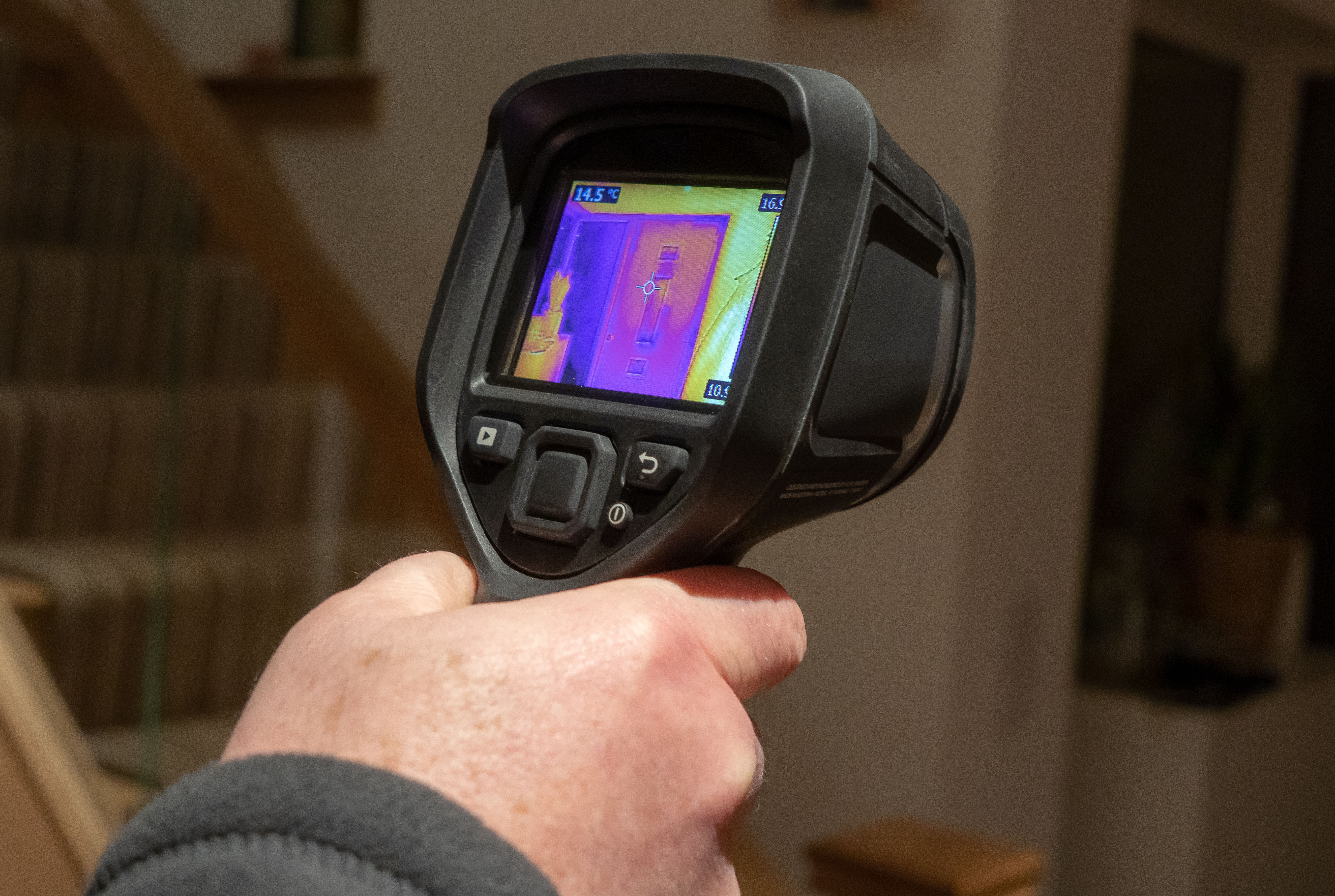
  • Infrared imaging: $200

Dehumidifiers typically use 300 to 700 watts of electricity per hour, whereas portable dehumidifiers use about 40 watts per hour. The exact amount of electricity your dehumidifier will generate depends on its capacity and energy efficiency. Generally, higher-capacity dehumidifiers generate more electricity than lower-capacity units, but they also usually have better energy efficiency over the long run.

STC (Sound Transmission Class) is a rating that describes how well a building material or assembly blocks airborne sound. A higher STC rating means less noise will pass through the material, providing better sound reduction. This rating system applies to various building components, including windows, doors, flooring, drywall, and insulation.

For context, a typical single-pane window has an STC rating of around 25 (where normal conversations are audible), while a well-sealed, double-pane window can exceed STC 45 (blocking loud speech and most music). It is important to note that for some products, like soundproofing drywall, the STC rating refers to the entire wall system, not just the individual panel.

Additionally, STC ratings are most effective for measuring sound reduction at mid-to-high frequencies, such as human speech, and may not accurately reflect how well a material blocks low-frequency sounds like bass music or thunder. Because of these factors, it is recommended to consult a professional to determine the right STC-rated materials for your specific soundproofing needs.

The Minot, ND homeowners’ guide to energy efficiency auditing services

From average costs to expert advice, get all the answers you need to get your job done.