



Top-rated energy efficiency auditors.

Get matched with top energy efficiency auditors in Berthold, ND

Enter your zip and get matched with up to 5 pros

Need a pro for your energy efficiency auditing project in Berthold, ND?

Select your specific project to find the pro for you.

Find Energy efficiency auditors in Berthold

Energy Efficiency Auditing questions, answered by experts

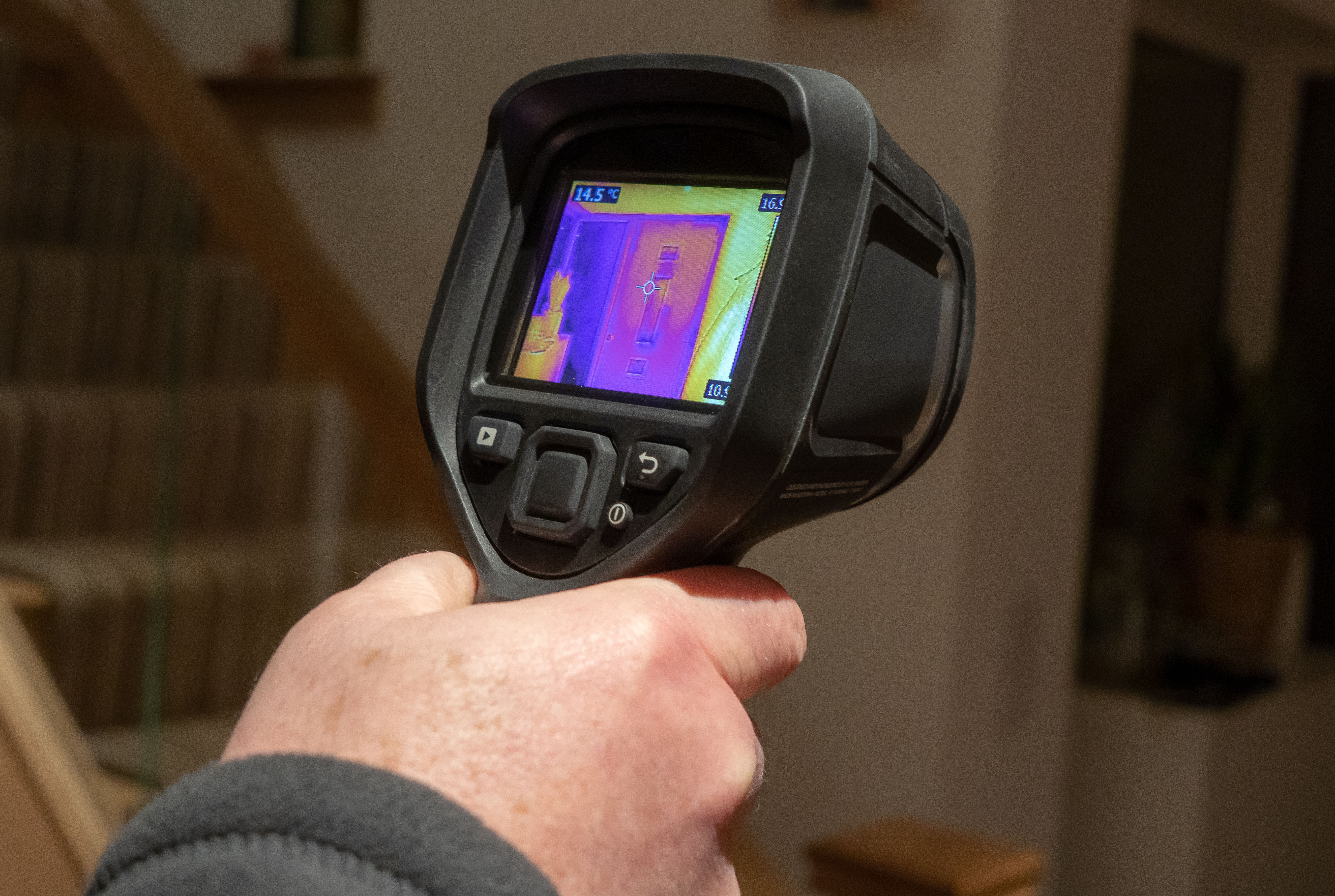
The difference between an energy auditor and a home inspector is primarily in the purpose of the inspection. The energy auditor conducts tests in your home to determine the energy efficiency levels in areas like windows, insulation, and doorways. The auditor then makes recommendations for ways to improve a home’s energy efficiency

A home inspector examines various structures of your home to determine that everything is up to code and gauge the condition of features like the roof, foundation, HVAC, and electrical. The home inspector reports on the overall home and makes repair recommendations.

Dehumidifiers typically use 300 to 700 watts of electricity per hour, whereas portable dehumidifiers use about 40 watts per hour. The exact amount of electricity your dehumidifier will generate depends on its capacity and energy efficiency. Generally, higher-capacity dehumidifiers generate more electricity than lower-capacity units, but they also usually have better energy efficiency over the long run.

Home power is measured in kilowatt-hours, commonly expressed as kWh. The average home uses between 800 and 1,000 kWh per month. Peak usage (and highest bills) occurs in the middle of summer and the depths of winter. Keeping on top of your usage during these crucial months will lower your annual average usage considerably. 

While you can perform many routine home maintenance jobs yourself, it’s often a good idea to bring pros in for certain tasks. HVAC maintenance, fireplace and chimney inspections, foundation repairs, and roof inspections and repairs should be handled by professionals who know what to look for and can safely perform repairs. You may also find it helpful to hire a local house cleaning service to help with deep cleaning.

A good SEER rating for an HVAC system is typically between 15 and 20. However, minimum requirements vary by location; HVAC systems in northern states must have at least a 14 SEER rating, while those in southern states need a minimum of 15. For the highest possible efficiency, look for units with a SEER rating of 21 or higher. It's important to remember that a SEER rating represents the maximum efficiency a unit can achieve, not the level at which it will operate at all times.

The Berthold, ND homeowners’ guide to energy efficiency auditing services

From average costs to expert advice, get all the answers you need to get your job done.