Energy Efficiency Auditing questions, answered by experts
Motion-sensor lights use one watt while on standby and five watts while turned on. They’re usually on for one hour over a 24-hour period, bringing the total wattage to about 28 watts per day. LED lights use around 6.5 to 8 watts while on. If you leave an LED light on all night, with night ranging from 10 to 14 hours, you’re looking at using 65 to 112 watts a night. You can minimally cut your wattage in half by switching to a motion-sensor light.
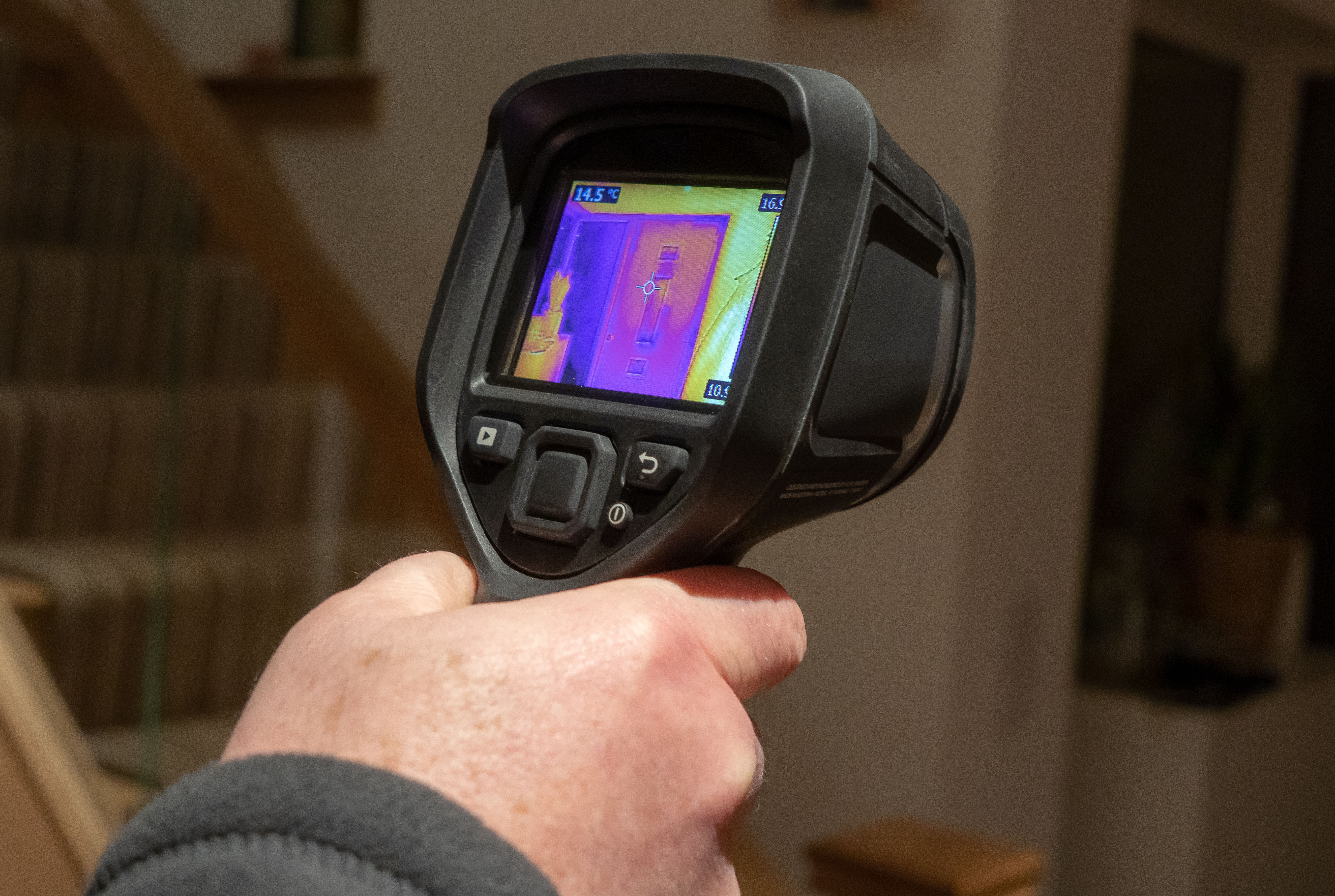
Depending on the level of audit you choose, a home energy audit will at least include a walk-through of the home to determine visible inefficiencies, but may include testing and a highly detailed inspection and report laying out the home’s inefficiencies and providing recommendations to fix those issues. The audit may also include a review of utility bills and mechanical testing. Consult your home energy auditor about the types of services they provide before hiring.
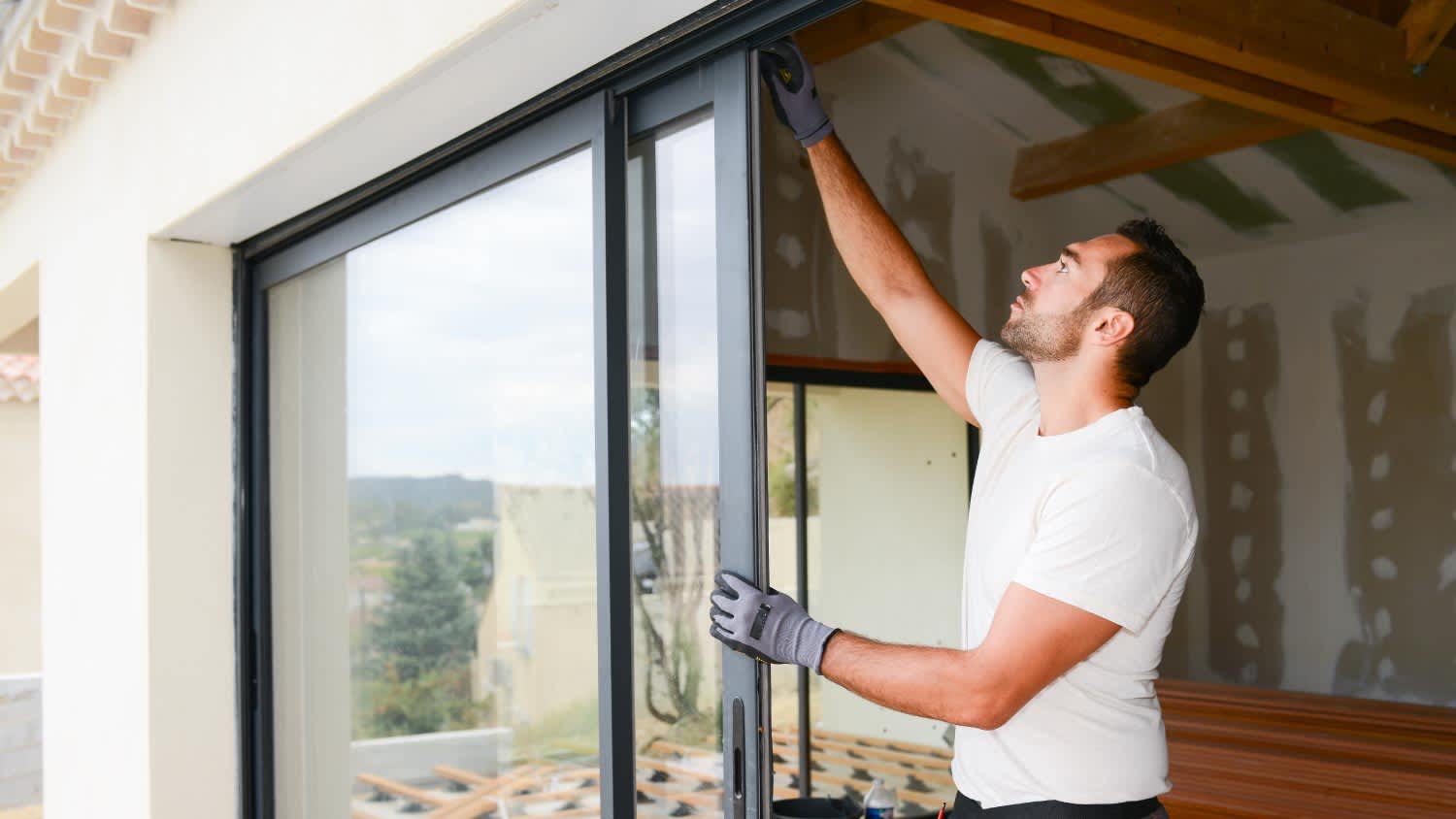
Yes, energy-efficient windows really can make a difference. As long as energy-efficient windows are properly installed and maintained, they can reduce your energy bill and offer significant savings.
If your AC runs constantly, it could be due to a number of things, including a faulty thermostat, incorrect temperature settings, or broken equipment. Alternatively, you might have an airflow problem (for example, blocked vents or leaky ductwork). Either way, an HVAC pro can identify the specific problem and fix it for you.
ENERGY STAR®-certified windows are the most energy-efficient windows on the market. This certification means that the window meets strict efficiency guidelines set forth by the Environmental Protection Agency. While they might cost more upfront, they can save you money on your energy bills in the long run. ENERGY STAR®-certified windows lower household energy bills by an average of 12% annually.
The Killdeer, ND homeowners’ guide to energy efficiency auditing services
From average costs to expert advice, get all the answers you need to get your job done.
Discover the average home energy audit cost, what impacts pricing, and how to save money on your audit. Get transparent, expert-backed cost info for homeowners.
Thinking about scheduling a home energy audit? Learn how to improve energy efficiency, lower your utility bills, and hire the right local pro for the job.