We provide residential and commercial solar power options, and provide support services for industry partner companies. We offer no cost consultations and $0 down financing. Please contact our office for a consultation at (931)922-8258.
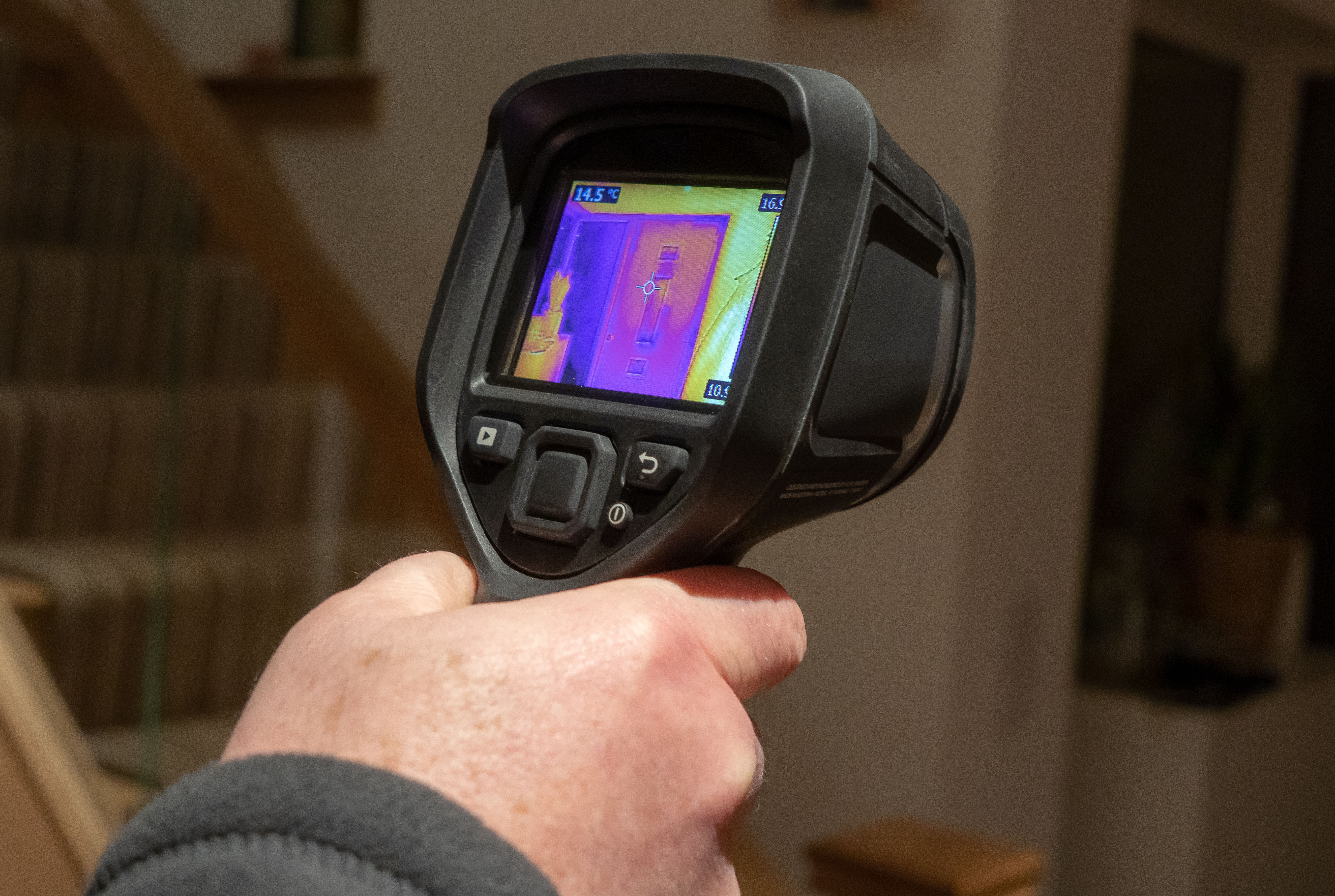
Energy Efficiency Auditing questions, answered by experts
Heat pumps transfer existing heat instead of generating it, using less energy. Compared to baseboard heaters, they can reduce heating costs by up to 50% and provide efficient cooling, lowering electricity bills and carbon footprint.
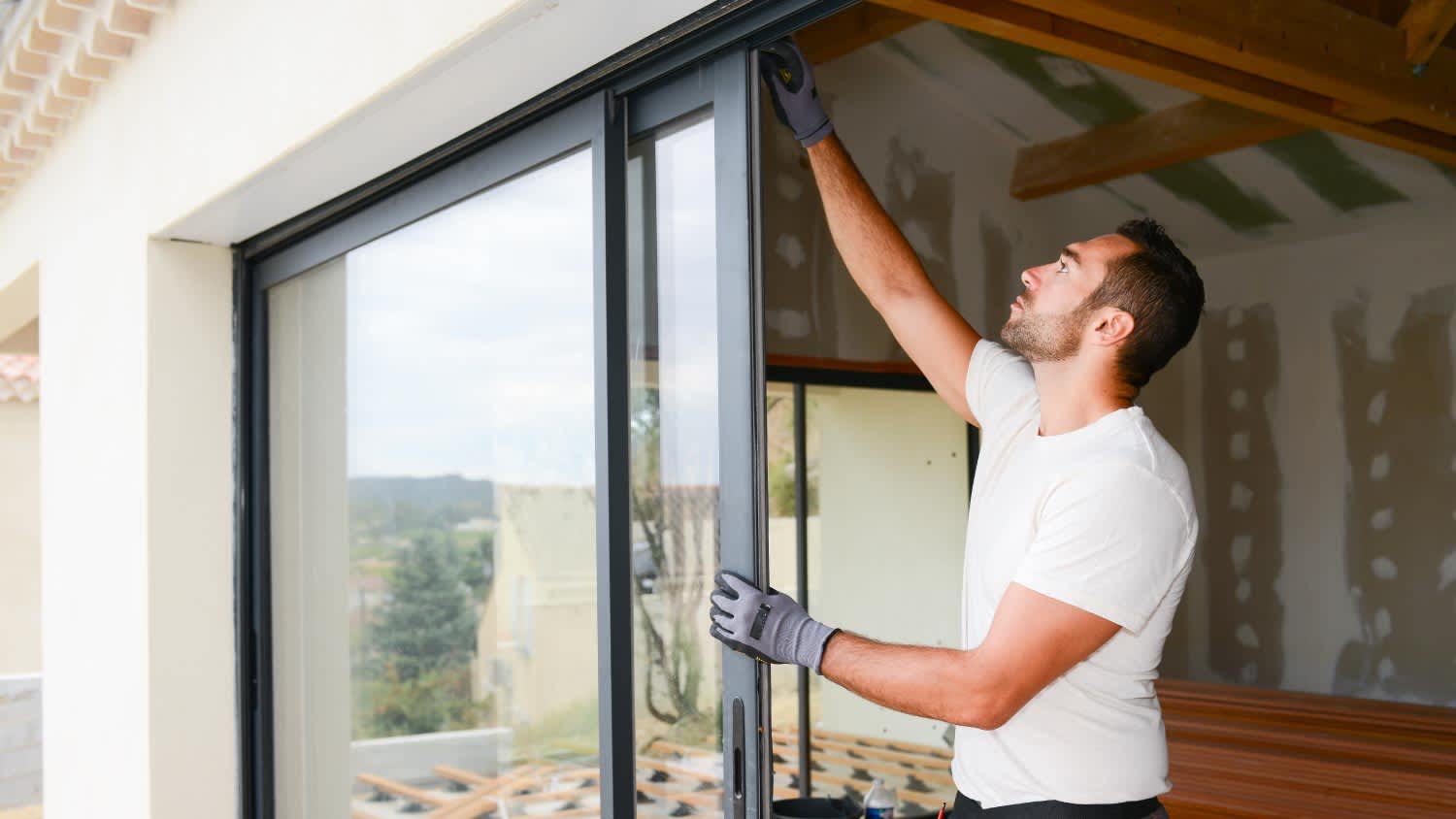
No, it isn’t necessary to have energy-efficient windows. However, if you care about your energy bill and making your windows more energy efficient, fixing any heat, UV, or air transfer issues is an excellent way to lower your bills and keep your house cooler in the summer and warmer in the winter.
Yes, energy-efficient windows really can make a difference. As long as energy-efficient windows are properly installed and maintained, they can reduce your energy bill and offer significant savings.
Dryers are designed to use as little electricity as possible, but power is still required to run the motor that turns the drum and to heat an element that pumps hot air. Eco devices are available and may lead to cost savings in the long term, but you should run the figures before committing to an eco-friendly device as they are often much more expensive to purchase.
The extra insulation helps reduce energy costs by minimizing drafts and temperature exchange between indoors and outdoors.
The Towner, ND homeowners’ guide to energy efficiency auditing services
From average costs to expert advice, get all the answers you need to get your job done.
Discover the average home energy audit cost, what impacts pricing, and how to save money on your audit. Get transparent, expert-backed cost info for homeowners.
Thinking about scheduling a home energy audit? Learn how to improve energy efficiency, lower your utility bills, and hire the right local pro for the job.