



Top-rated drywall pros.

Get matched with top drywall pros in Granite Falls, NC

Enter your zip and get matched with up to 5 pros

Need a pro for your drywall service project in Granite Falls, NC?

Select your specific project to find the pro for you.

TRUSTED BY GRANITE FALLS, NC HOMEOWNERS

  • Average homeowner rating star icon4.3
    Average homeowner rating
  • Verified reviews icon38
    Verified drywall services reviews

Find Drywall pros in Granite Falls

Andrew Zuill's Property Solutions LLC
5.0(
20
)

Serving Granite Falls, NC and surrounding areas

Approved

In business since 2022

Free estimates

Small jobs welcome

"I've known Andrew for a long time now, I get the pleasure of calling him my friend, but I've also been a client of his in years past. He's very honest, thorough and detail oriented. I may be biased because he's my friend, but I wouldn't hesitate to hire him again because I know he is extremely knowledgeable and does good work."
Response time5 hrs
Response rate92%
23 neighbors recently requested a quote
Avatar for Douglas Custom Painting
Douglas Custom Painting
4.9(
21
)

Serving Granite Falls, NC and surrounding areas

Approved

In business since 2010

Free estimates

Credit card accepted

"Douglas did exactly as he said he would do and a little more. His crew were efficient and also respectful of my property. I was pleased that the job was completed so quickly and I would hire Douglas Custom Painting again."
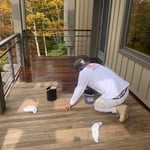
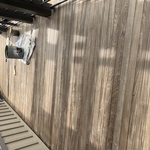
In the process
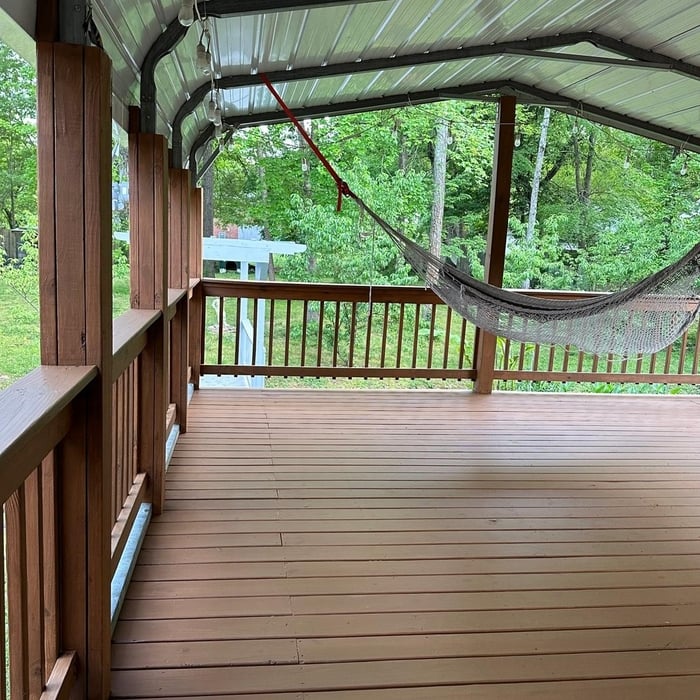
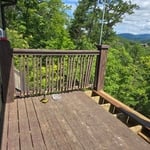
Clean deck ready to stain
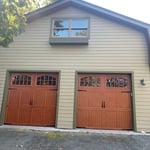
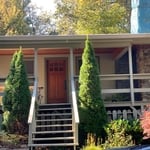
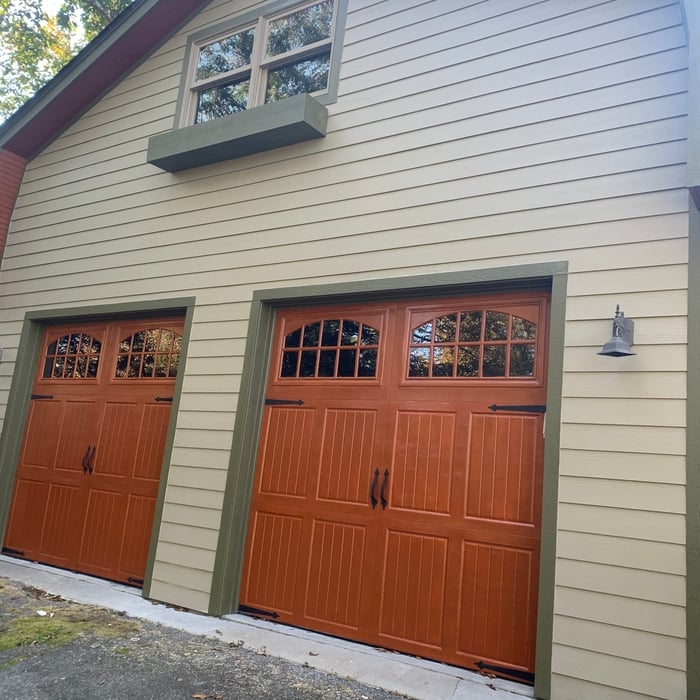
Exterior painting siding and doors
Exterior painting
Exterior painting

+14

Response time7 hrs
1 neighbors recently requested a quote
Recommended by100%of homeowners
...
Showing 1-10 of 168
Drywall questions, answered by experts

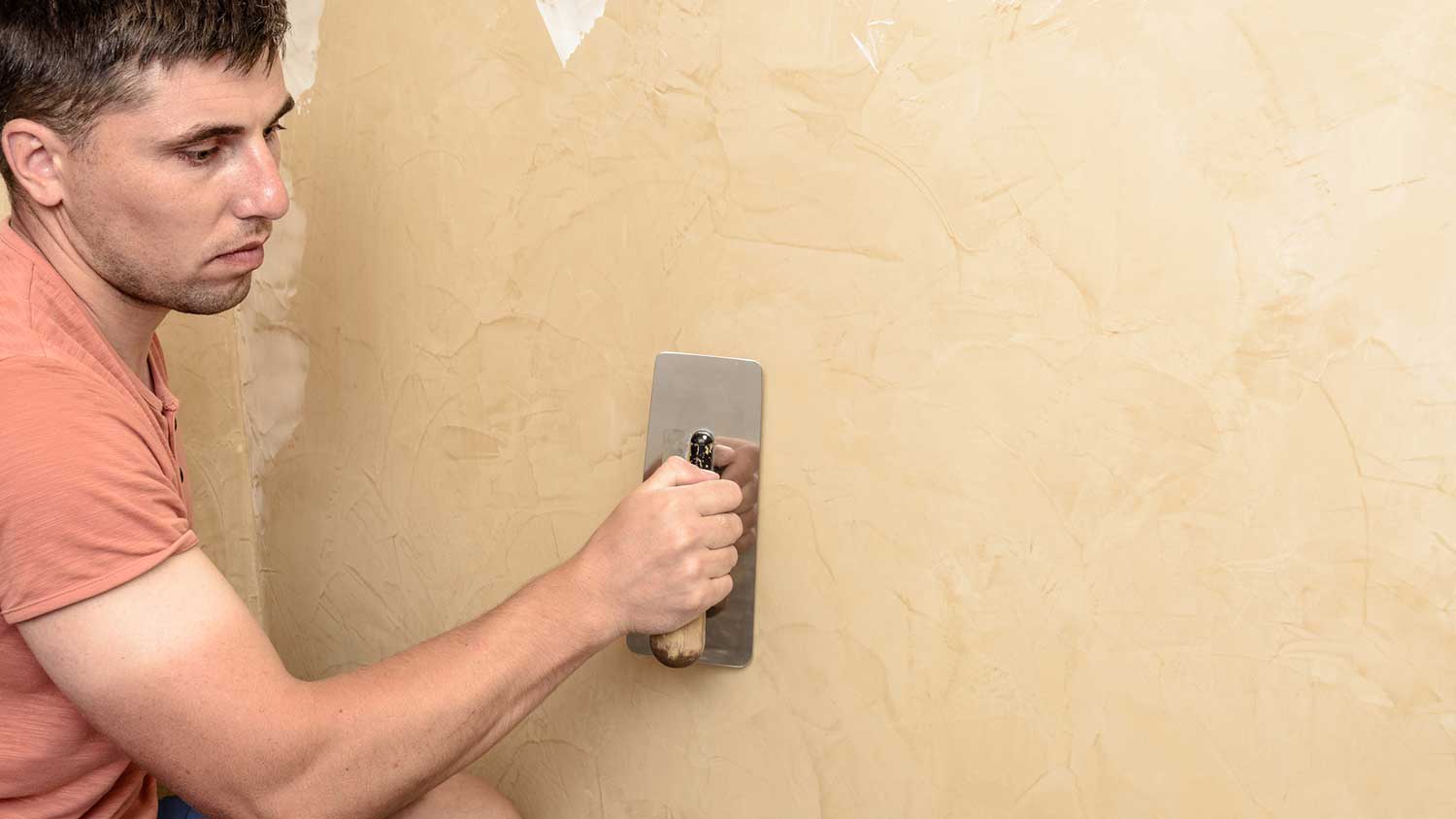
Applying plaster to a wall will usually cost between $2 and $10 per square foot for both the material and labor. The cost will vary based on the quality of the plaster you’re using and whether or not prep work is required before the work begins. Wall prep can add up to about 10% to your total costs. Plastering exterior walls can be more expensive in many cases because they are taller and require scaffolding and safety equipment.

Drywall can be toxic to the environment and to humans in some cases. As drywall breaks down in a landfill and comes in contact with other organic chemicals, it can create hydrogen sulfide gas or leach into the groundwater. Additionally, the CDC recommends methods for controlling the inhalation of drywall dust when handled. While the common ingredients of drywall—gypsum, silica, and mica—are naturally occurring, they can cause irritation in some humans.

The two most common drywall thicknesses for ceilings are 1/2-inch and 5/8-inch. For most standard residential applications, 1/2-inch drywall is sufficient and widely used. It provides adequate support and is lighter and easier to handle during installation compared to thicker sheets. However, 5/8-inch drywall is often used for specific cases where additional benefits are needed. It is heavier but provides superior sound dampening and fire resistance. You should consider using 5/8-inch drywall for ceilings in commercial buildings, between a garage and a living space, or above a finished basement to meet building codes or for enhanced soundproofing.

Plastering lasts for around 15 to 20 years without needing repairs or maintenance in most cases, and with proper upkeep, plastering can last a lifetime—sometimes more than 100 years. Plaster repair costs between $1 and $3 per square foot, and you may need these services once every 15 to 20 years or so unless you have a harsh climate where humidity changes are a constant issue. You can also opt to skim-coat plaster for between $0.90 and $1.30 per square foot, which may serve you better in the long run.

Whether you can reuse a drywall anchor depends on its type, material, and how it is removed. Plastic anchors, such as expansion or self-drilling types, are generally considered single-use because they are designed to expand and are likely to break or become deformed upon removal. Metal anchors, like toggle bolts, are more durable and can often be reused if they are not damaged during extraction. However, with toggle bolts, the toggle mechanism can fall inside the wall when the bolt is removed, making it difficult to retrieve. If an anchor is damaged or must be cut for removal, it cannot be reused regardless of its material.

The Granite Falls, NC homeowners’ guide to drywall services

From average costs to expert advice, get all the answers you need to get your job done.