



Top-rated drywall pros.

Get matched with top drywall pros in Valdese, NC

Enter your zip and get matched with up to 5 pros

Need a pro for your drywall service project in Valdese, NC?

Select your specific project to find the pro for you.

TRUSTED BY VALDESE, NC HOMEOWNERS

  • Average homeowner rating star icon4.2
    Average homeowner rating
  • Verified reviews icon10
    Verified drywall services reviews

Find Drywall pros in Valdese

Avatar for Silver Line Construction Plus
Silver Line Construction Plus
5.0(
11
)
Drywall - InstallDrywall - Install - For BusinessDrywall - Repair+1 more

Serving Valdese, NC and surrounding areas

Approved

In business since 2015

Free estimates

Credit card accepted

"Sergiy and his crew are great! I am remodeling my kitchen and they completed a handful of projects for me. They care about their work quality and are very professional. Sergiy was transparent with what work was being done and the associated costs. I would highly recommend Sergiy and his team!"
Response time1 day
Recommended by100%of homeowners
...
Showing 1-10 of 151
Drywall questions, answered by experts

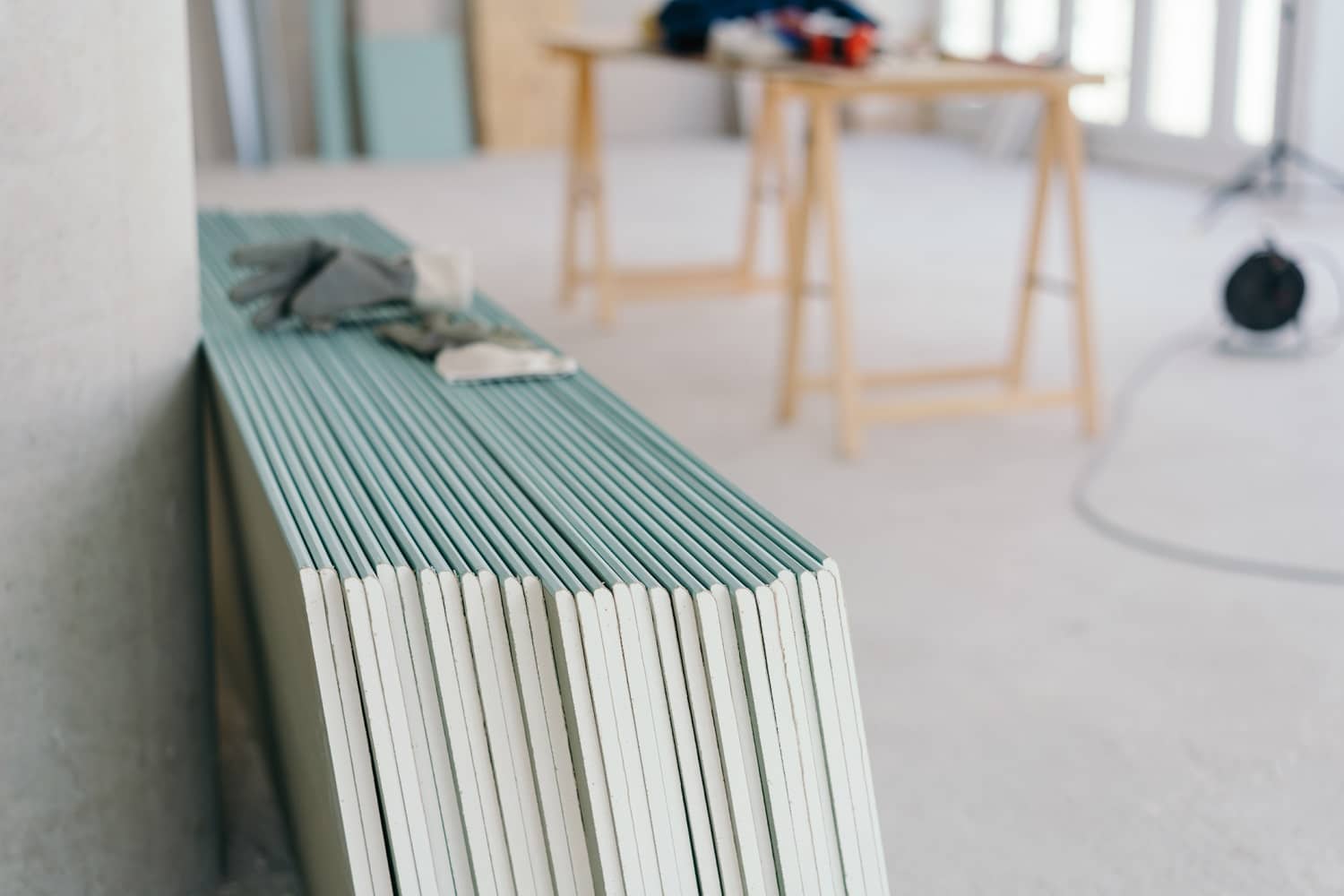
Most drywall used for interior walls of homes is 1/2-inch thick. This size strikes a balance of being easy to handle and hang while being thick enough for the durability needed on interior wall applications.

Knowing what causes drywall damage can help stop it before it starts. Here are some of the most common causes of drywall damage: 

  • Water damage from roof leaks or leaky pipes. 

  • Small holes caused by doorknobs, minor accidents, and rodent infestations. 

  • Wall dents stemming from moving furniture and minor accidents. 

  • Wall cracks that form from a settling foundation or seismic activity. 

  • Nail pops from nails and screws in the walls. 

  • Large holes that are caused by accidents with heavy objects, children and pets, or sporting equipment.

A nail in drywall cannot hold very much—usually only a few pounds. A nail in a stud can add support and hold around 20 pounds. If you are trying to hang something heavier, get some help from drywall anchors—toggle bolts are very strong and able to withstand more weight.

Whether a drywall anchor can be reused depends on its material, type, and the method of removal. Plastic anchors, including expansion and self-drilling types, are generally designed for single use as they tend to break or deform upon removal. Metal anchors, such as toggle bolts, are more durable and may be reusable if they are not damaged during extraction. However, with toggle bolts, the toggle piece can fall into the wall cavity when the bolt is removed, making it difficult to retrieve. If an anchor is damaged during removal, for instance by having its head cut off, it cannot be reused regardless of the material.

Although they are used for similar tasks, spackle and joint compound are not the same. Joint compound, also known as drywall mud, consists of limestone and gypsum and is primarily used for large-scale projects like taping and finishing seams on new drywall. Spackle is composed of gypsum and binding agents, making it a thicker compound best suited for small wall repairs like filling nail holes or cracks, as it dries quickly and is easy to sand. For small repairs, either product can be suitable. However, you can use joint compound for small jobs in place of spackle, but you cannot use spackle for large-scale taping and mudding projects.

The Valdese, NC homeowners’ guide to drywall services

From average costs to expert advice, get all the answers you need to get your job done.