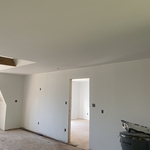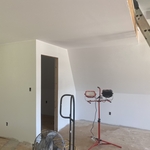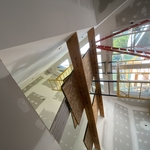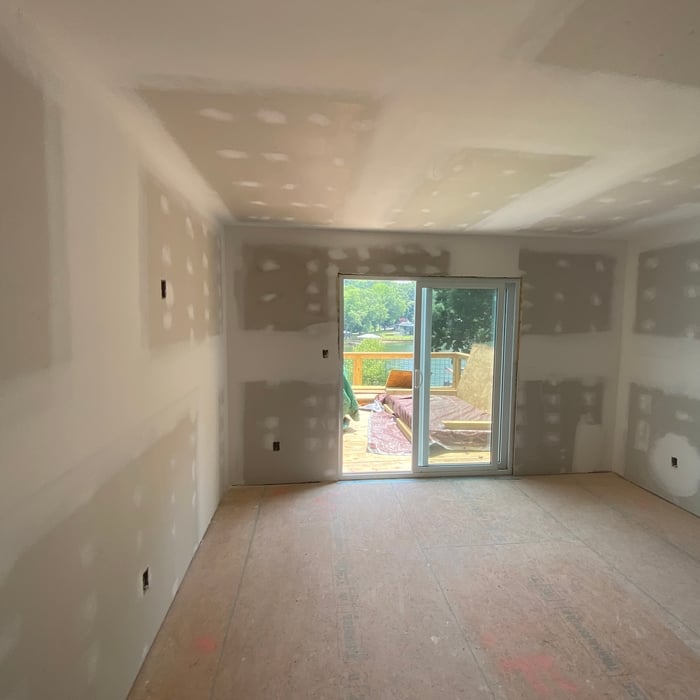




Top-rated drywall pros.

Get matched with top drywall pros in Lenoir, NC

Enter your zip and get matched with up to 5 pros

Need a pro for your drywall service project in Lenoir, NC?

Select your specific project to find the pro for you.

TRUSTED BY LENOIR, NC HOMEOWNERS

  • Average homeowner rating star icon4.2
    Average homeowner rating
  • Verified reviews icon12
    Verified drywall services reviews

Find Drywall pros in Lenoir

Avatar for Silver Line Construction Plus
Silver Line Construction Plus
5.0(
11
)
Drywall - InstallDrywall - Install - For BusinessDrywall - Repair+1 more

Serving Lenoir, NC and surrounding areas

Approved

In business since 2015

Free estimates

Credit card accepted

"Sergiy and his crew are great! I am remodeling my kitchen and they completed a handful of projects for me. They care about their work quality and are very professional. Sergiy was transparent with what work was being done and the associated costs. I would highly recommend Sergiy and his team!"
Response time1 day
Recommended by100%of homeowners
...
Showing 1-10 of 162
Drywall questions, answered by experts

Vinegar and bleach are effective options for removing mold from drywall. Vinegar is a better choice if you have a smaller mold issue while bleach is best if you have a larger mold problem. If the area you're cleaning has limited ventilation, using vinegar would be a better option. In that case, you could mix vinegar with baking soda to remove more stubborn mold growth.

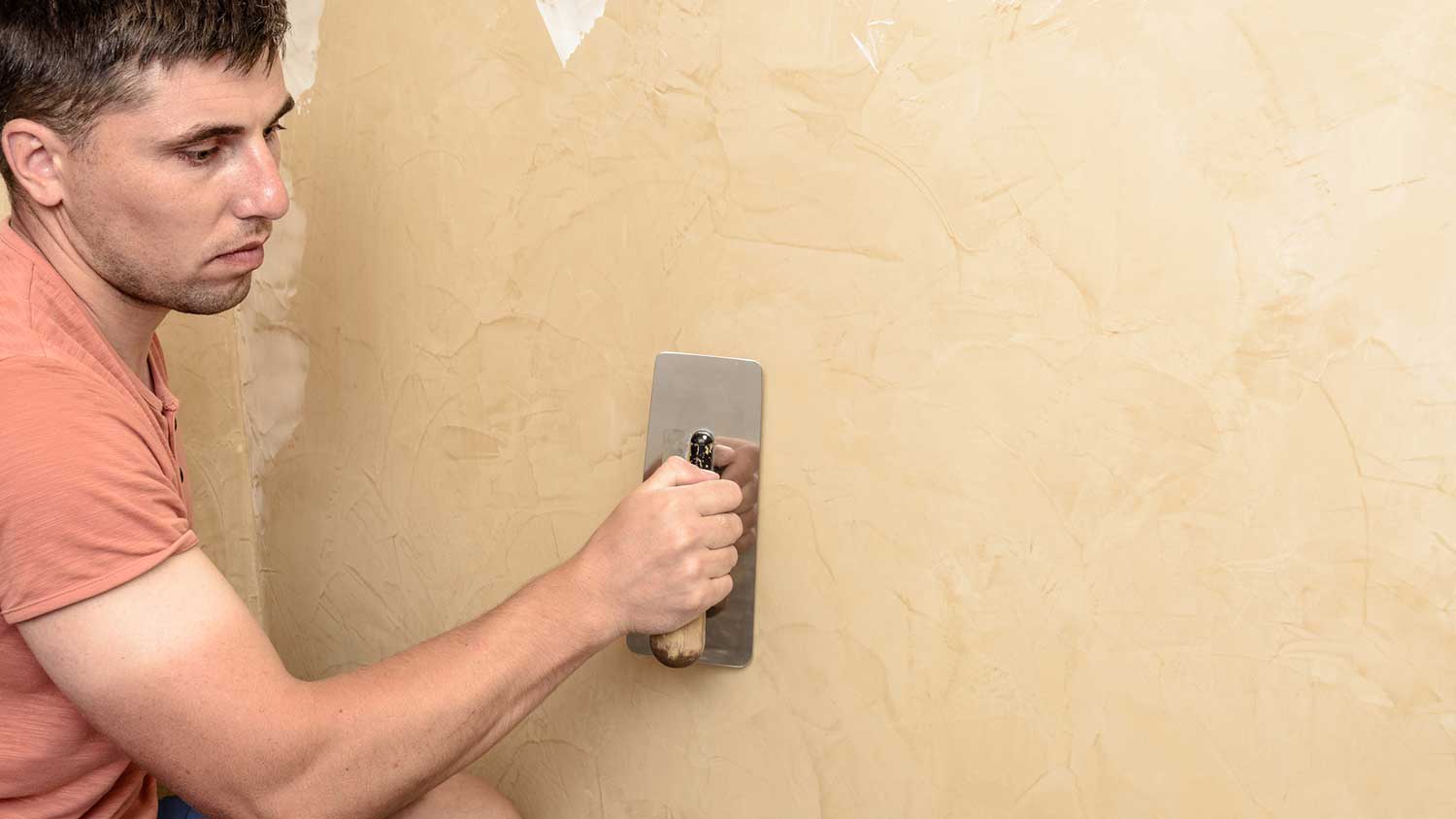
Some textures are easier than others to DIY, but the short answer is yes, you can absolutely texture walls yourself. You’ll need certain materials, like a trowel or paint sprayer, but the most important things you’ll need are patience and time. DIYing wall texture can save money and be a fun, messy project, but homeowners need to know that adding texture to a wall isn’t a quick project. 

All plaster walls will crack over time due to normal house settling and expansion and contraction from temperature and moisture changes. Small, thin hairline cracks are generally not serious and are mostly a cosmetic issue. However, larger or more significant cracks can indicate structural problems.

Here's how to tell the difference:

  • Cosmetic Cracks: Cracks that are 0.5 cm (0.2 inches) or thinner are typically cosmetic.

  • Structural Cracks: Cracks wider than 0.5 cm, excessive or deep cracks, multiple cracks in the same area, or cracks that span around corners can signify a structural or foundation issue. Cracks along the joints where walls meet the ceiling also warrant attention.

For cracks wider than 0.5 cm, structural repair is needed. If a crack is 2.5 cm (1 inch) or wider, or if you notice any signs of a structural problem, it is best to contact a plaster repair professional to assess the damage.

You can paint over plaster, but repair any damage to the plaster first, or the paint will crack and bubble. You should also prepare the surface of the plaster to accept paint, which gives your paint job the best chance of looking good and lasting a long time. Before applying the color you want, apply a coat or two of primer. Additionally, use latex paint, and choose a latex paint with a satin finish for areas with dampness, like bathrooms.

Eco-friendly options reduce environmental impact and often improve indoor air quality.

The Lenoir, NC homeowners’ guide to drywall services

From average costs to expert advice, get all the answers you need to get your job done.