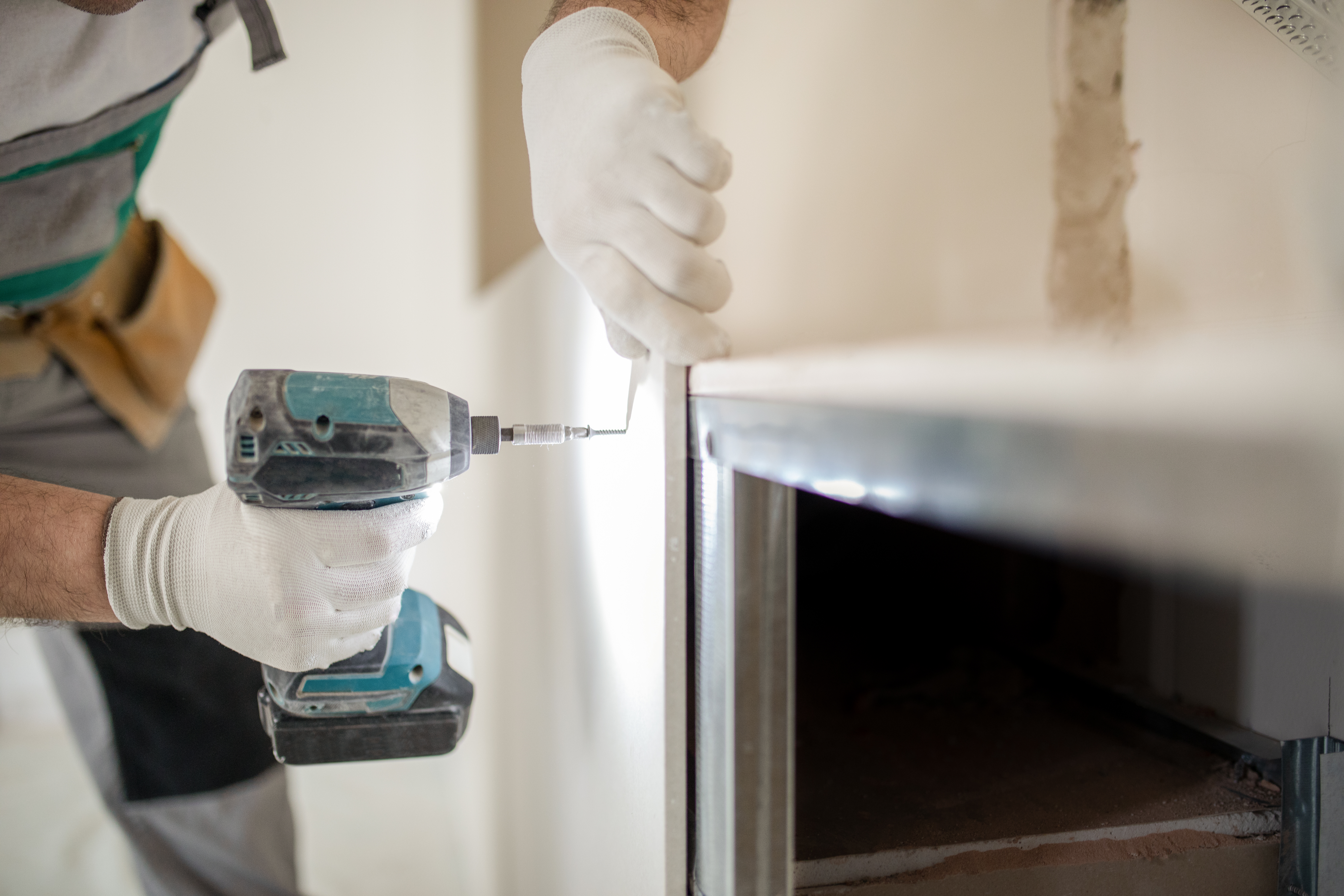

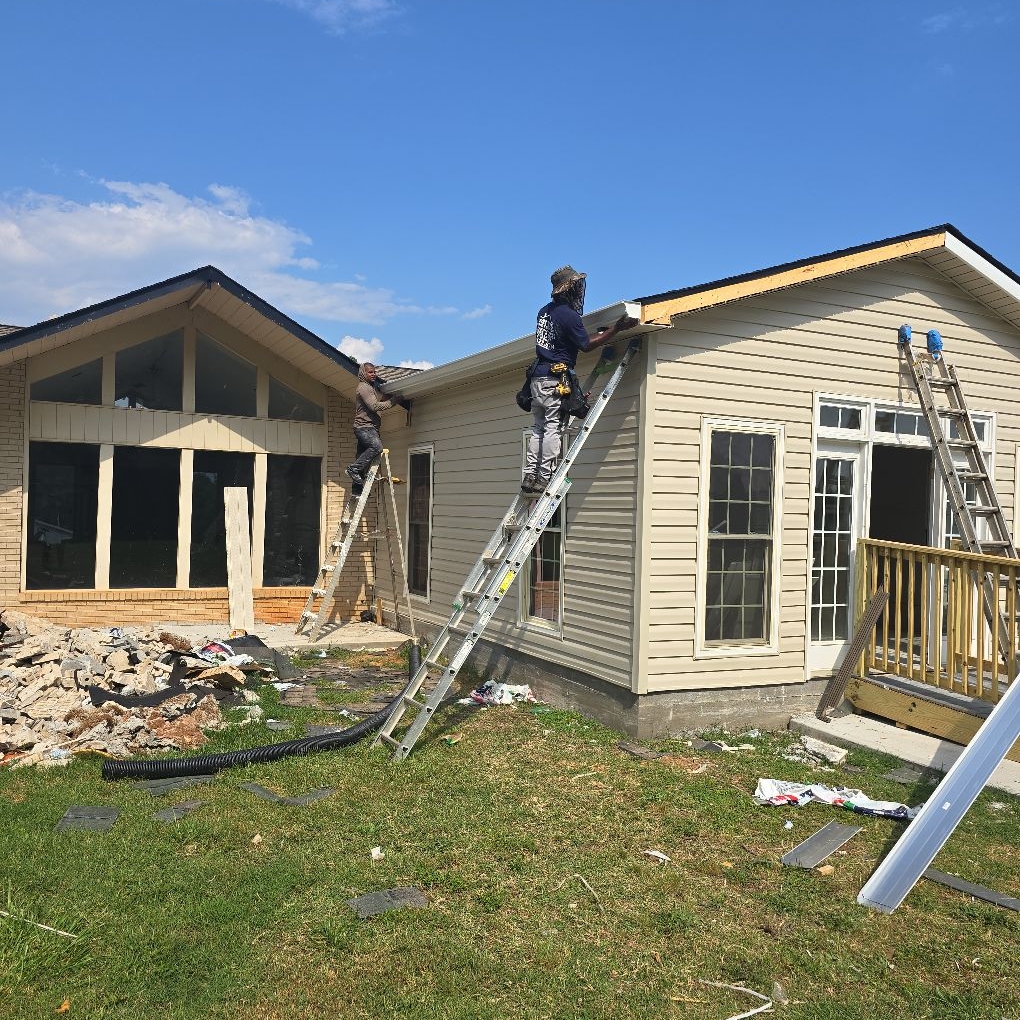




Top-rated drywall pros.

Best drywall pros near Rhodhiss, NC

Enter your zip and get matched with up to 5 pros

Need a pro for your drywall service project in Rhodhiss, NC?

Select your specific project to find the pro for you.

TRUSTED BY RHODHISS, NC HOMEOWNERS

  • Average homeowner rating star icon4.3
    Average homeowner rating
  • Verified reviews icon48
    Verified drywall services reviews

Top-Rated Drywall pros in Rhodhiss - Updated Nov 2026

Avatar for Silver Line Construction Plus
Silver Line Construction Plus
5.0(
11
)
Drywall - InstallDrywall - Install - For BusinessDrywall - Repair+1 more

Serving Rhodhiss, NC and surrounding areas

Approved

In business since 2015

Free estimates

Credit card accepted

"Sergiy and his crew are great! I am remodeling my kitchen and they completed a handful of projects for me. They care about their work quality and are very professional. Sergiy was transparent with what work was being done and the associated costs. I would highly recommend Sergiy and his team!"
Response time1 day
Recommended by100%of homeowners
...
Showing 1-10 of 163
Drywall FAQs, answered by experts

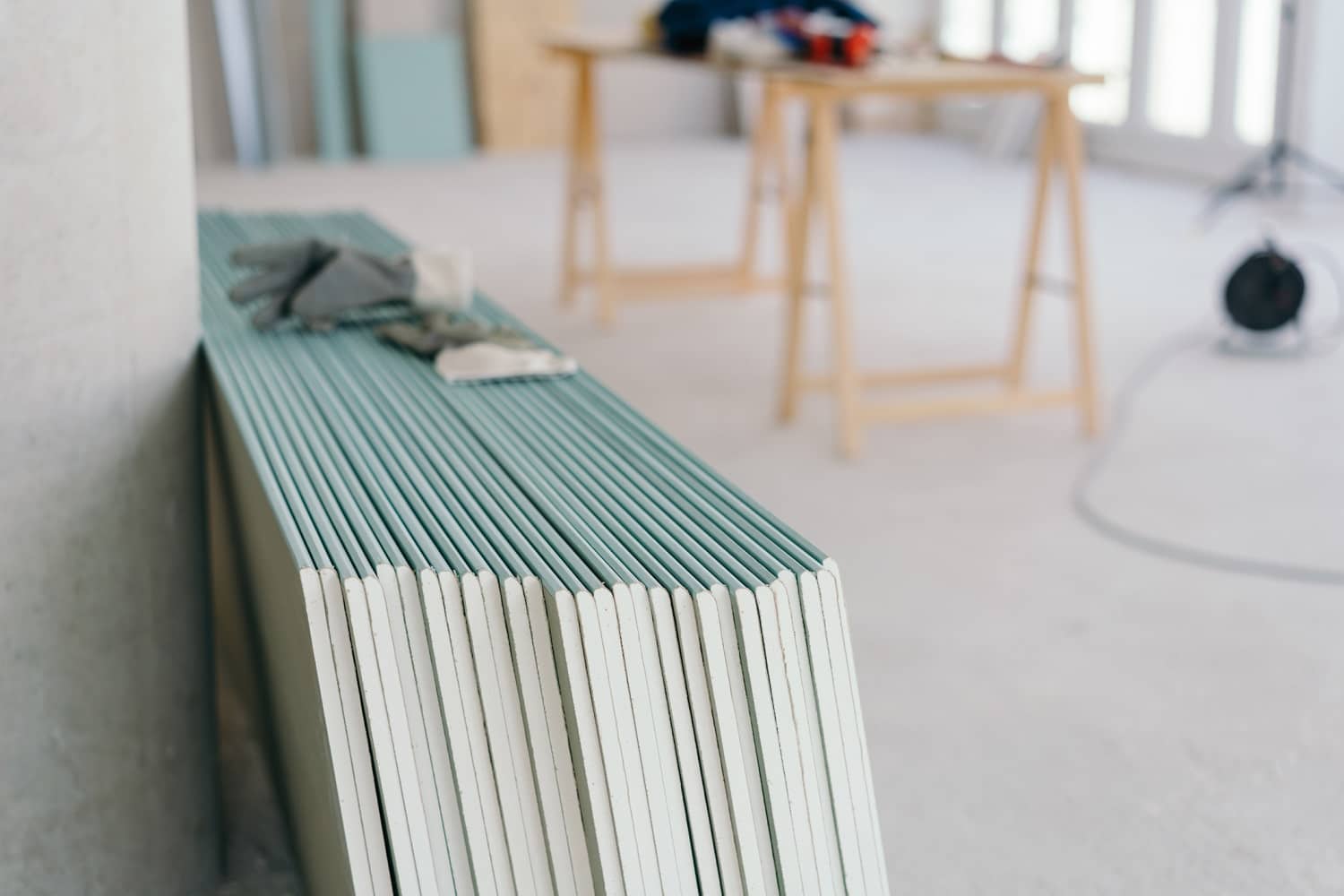
You should not leave drywall outside, especially overnight or in a wet, humid climate. Exposure to rain and humidity can damage the drywall, weakening its structural integrity and making it susceptible to mold growth. If you must leave drywall outside during a project, be sure to cover it with a tarp or keep it inside a storage shed to protect it. Even drywall intended for exterior projects requires a protective moisture barrier. For best results, store any extra drywall in a dry area away from the elements.

Drywall can be toxic to the environment and to humans in some cases. As drywall breaks down in a landfill and comes in contact with other organic chemicals, it can create hydrogen sulfide gas or leach into the groundwater. Additionally, the CDC recommends methods for controlling the inhalation of drywall dust when handled. While the common ingredients of drywall—gypsum, silica, and mica—are naturally occurring, they can cause irritation in some humans.

Yes, you can apply new plaster over an existing plaster surface, such as a wall or ceiling, provided the old plaster is in good condition. Before you begin, check the stability of the existing plaster. The surface must be clean, free of loose material, and have no peeling paint. It is also recommended to roughen the surface slightly to promote adhesion. For older plaster, applying a base coat like a PVA emulsion or a specific bonding agent or primer is crucial. This step makes the existing plaster less porous and ensures the new and old layers adhere properly for a smooth, long-lasting finish.

Certain drywall textures, like sand and sometimes popcorn, can be smoothed by applying skim coats, sanding the walls, or chipping away the texture. However, it’s worth considering removing the texture and starting with a blank canvas. Smoothing textured walls requires a lot of sandpaper and elbow grease and can take longer than just outright removing the texture.

You should wait at least 24 hours for drywall mud to dry before sanding or applying another coat. However, the exact drying time depends on several factors, including the thickness of the application, room temperature, humidity, and the type of compound used. Thicker layers, or projects in high humidity, may require 48 hours or more. Lightweight compounds tend to dry faster than heavier, all-purpose ones. You'll know the mud is ready when it feels completely dry and firm to the touch and has changed to a consistent light color. Sanding too early can cause smudging or gouges, so patience is essential for a smooth finish.

The Rhodhiss, NC homeowners’ guide to drywall services

From average costs to expert advice, get all the answers you need to get your job done.