Top-rated drywall pros.

Best drywall pros near Rutherford College, NC

Enter your zip and get matched with up to 5 pros

Need a pro for your drywall service project in Rutherford College, NC?

Select your specific project to find the pro for you.

TRUSTED BY RUTHERFORD COLLEGE, NC HOMEOWNERS

  • Average homeowner rating star icon4.2
    Average homeowner rating
  • Verified reviews icon10
    Verified drywall services reviews

Top-Rated Drywall pros in Rutherford College - Updated Nov 2026

Avatar for Sigs & Son Home Services
Sigs & Son Home Services
5.0(
18
)
Drywall - RepairDrywall - Repair - For Business

Serving Rutherford College, NC and surrounding areas

Approved

In business since 2021

Free estimates

Emergency services offered

"I’ve worked with this handyman on a variety of small projects, primarily electrical work, and have been consistently impressed. He’s reliable, knowledgeable, and handles each job with a high level of professionalism. Beyond electrical, he’s also helped with general repairs like patching drywall and light woodworking, and the quality of his work has always been solid. He communicates clearly, shows up when expected, and gets the job done efficiently without cutting corners. It’s hard to find someone this dependable who can handle multiple types of work well—I’d definitely recommend him for both electrical and general handyman needs."
3 neighbors recently requested a quote
...
Showing 1-10 of 145
Drywall FAQs, answered by experts

Both plaster and drywall are durable wall finishes, but they differ significantly in installation, cost, performance, and aesthetics.

Installation & Cost: Drywall installation is faster and more affordable, typically costing $1.50 to $3 per square foot. It uses premade sheets, making it a more accessible DIY project. Plastering is a labor-intensive craft that requires specialized skills, pushing costs to $2 to $10 per square foot. It involves applying a wet paste over a lath framework.

Durability & Performance: Plaster is generally more durable, longer-lasting, and provides superior soundproofing. It is also a better insulator, which can help reduce energy costs. Drywall is easier to remove for future renovations.

Aesthetics: Drywall provides a smooth, uniform surface ready for paint or texture. Plaster offers a high-end, naturally textured look that can hide imperfections and is often preferred for achieving a classic or historic aesthetic.

Which is better? The choice depends on your priorities. Drywall is ideal for those prioritizing a lower upfront cost, faster installation, and DIY potential. Plaster is the better option for a higher-end project where durability, soundproofing, and a unique, premium finish are more important than the initial cost.

It’s less costly to drywall a fireplace than shiplapping it since material costs are higher for shiplap. However, if you’re DIYing the project, shiplap is less expensive since you won’t have to pay for labor. With drywall, getting a smooth finish is difficult unless you’re a pro. Shiplap is ideal for an accent wall or unique space, such as around a fireplace, since it adds texture and gives off a cozy vibe.

Brick and stucco are a lot more different. You must use picture hanging clips designed for brick walls, or use a plaster rail system with adjustable hooks. Any other type of hanging hardware will cause damage to the bricks behind. You won’t be able to really use nails, either, because they’re not strong enough to go into the bricks.
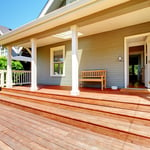
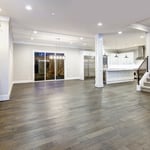
The easiest way to tell if a wall is load bearing is to check if it’s an exterior wall or if it runs perpendicular to the joists above and below it (or parallel to beams). Exterior walls are almost always load-bearing, and walls that run under beams or parallel to them are also usually load-bearing. There are exceptions to these rules, and walls that don’t fit into these categories can still be load-bearing. If you’re unsure, hire a structural engineer to look at your home to assess whether or not the wall is structural.

Water-damaged drywall should almost always be replaced. Not only does it look bad, it’s a breeding ground for toxic mold. Even if you think the area is dry and there’s no active leak, the only way to be sure is to cut out the damaged area and see for yourself.

The Rutherford College, NC homeowners’ guide to drywall services

From average costs to expert advice, get all the answers you need to get your job done.