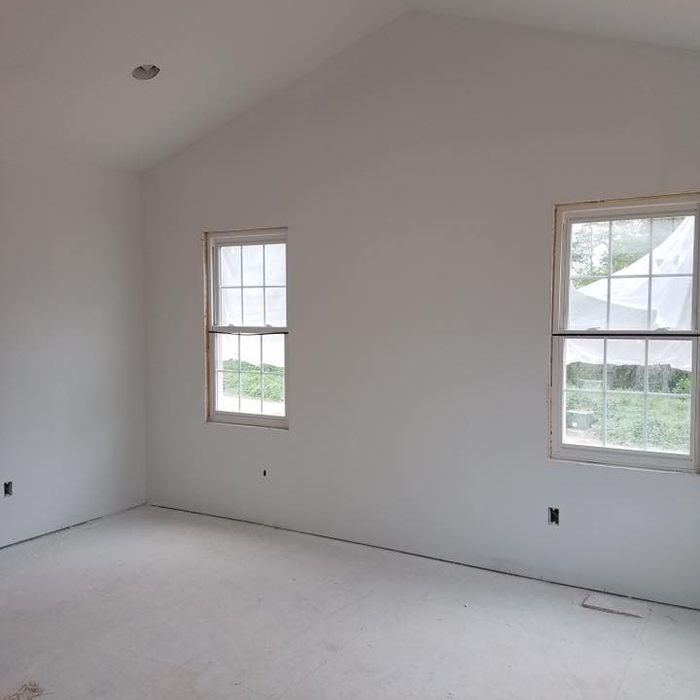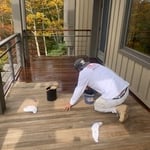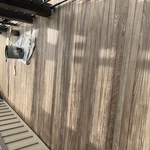





Top-rated drywall pros.

Best drywall pros near Hudson, NC

Enter your zip and get matched with up to 5 pros

Need a pro for your drywall service project in Hudson, NC?

Select your specific project to find the pro for you.

TRUSTED BY HUDSON, NC HOMEOWNERS

  • Average homeowner rating star icon4.1
    Average homeowner rating
  • Verified reviews icon14
    Verified drywall services reviews

Top-Rated Drywall pros in Hudson - Updated Nov 2026

Avatar for Sigs & Son Home Services
Sigs & Son Home Services
5.0(
18
)
Drywall - RepairDrywall - Repair - For Business

Serving Hudson, NC and surrounding areas

Approved

In business since 2021

Free estimates

Emergency services offered

"I’ve worked with this handyman on a variety of small projects, primarily electrical work, and have been consistently impressed. He’s reliable, knowledgeable, and handles each job with a high level of professionalism. Beyond electrical, he’s also helped with general repairs like patching drywall and light woodworking, and the quality of his work has always been solid. He communicates clearly, shows up when expected, and gets the job done efficiently without cutting corners. It’s hard to find someone this dependable who can handle multiple types of work well—I’d definitely recommend him for both electrical and general handyman needs."
3 neighbors recently requested a quote
...
Showing 1-10 of 159
Drywall FAQs, answered by experts

The cost to skim coat drywall is $1.15 to $1.35 per square foot. Most of the cost is labor, for the necessary skills to apply the skim coat with precision using high-quality tools. This is a job better left to the professionals for the best outcomes.

Through expert matching of texture and paint for an invisible repair.

Yes, it matters which side of drywall you use. One side is smooth, and the other is rough. The smooth side should be facing outward, toward the room, while the rough side should be hidden and facing the studs and framing of the house. The smooth side will be easier to apply tape, joint compound, and, later, paint to.

While it’s most common to sand plaster dry, it is possible to wet-sand plaster, too. Doing so can reduce the amount of plaster dust released into the air and make it easier to work in smaller, more delicate areas (such as around wall trim). However, some people find that wet sanding leads to more imperfections, which is why larger walls are more often dry sanded to ensure an even finish.

All plaster walls will crack over time due to normal house settling and expansion and contraction from temperature and moisture changes. Small, thin hairline cracks are generally not serious and are mostly a cosmetic issue. However, larger or more significant cracks can indicate structural problems.

Here's how to tell the difference:

  • Cosmetic Cracks: Cracks that are 0.5 cm (0.2 inches) or thinner are typically cosmetic.

  • Structural Cracks: Cracks wider than 0.5 cm, excessive or deep cracks, multiple cracks in the same area, or cracks that span around corners can signify a structural or foundation issue. Cracks along the joints where walls meet the ceiling also warrant attention.

For cracks wider than 0.5 cm, structural repair is needed. If a crack is 2.5 cm (1 inch) or wider, or if you notice any signs of a structural problem, it is best to contact a plaster repair professional to assess the damage.

The Hudson, NC homeowners’ guide to drywall services

From average costs to expert advice, get all the answers you need to get your job done.