






Top-rated electricians.

Best electricians near Granite Falls, NC

Enter your zip and get matched with up to 5 pros

Need a pro for your electrical service project in Granite Falls, NC?

Select your specific project to find the pro for you.

TRUSTED BY GRANITE FALLS, NC HOMEOWNERS

  • Average homeowner rating star icon4.6
    Average homeowner rating
  • Verified reviews icon279
    Verified electrical services reviews

Top-Rated Electricians in Granite Falls - Updated Nov 2026

All Wired Up Electrical Service
5.0(
6
)
Electrical Switches, Outlets & Fixtures - Install or RepairCeiling Fan - InstallCeiling Fan - Repair

Serving Granite Falls, NC and surrounding areas

Approved

Super Service Award Winner

In business since 2024

Free estimates

Small jobs welcome

"Mr. Brian Curtis is amazing. He is super knowledgeable, arrived on time, accessed the situation and provided recommendations on repairs and service. I would highly recommend him for any necessary electrical work. Extremely professional and courteous. Thank you Brian !"
Response time6 hrs
1 neighbors recently requested a quote
Avatar for PRIORITY ELECTRIC AND LIGHTING, LLC
PRIORITY ELECTRIC AND LIGHTING, LLC
5.0(
6
)
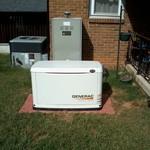
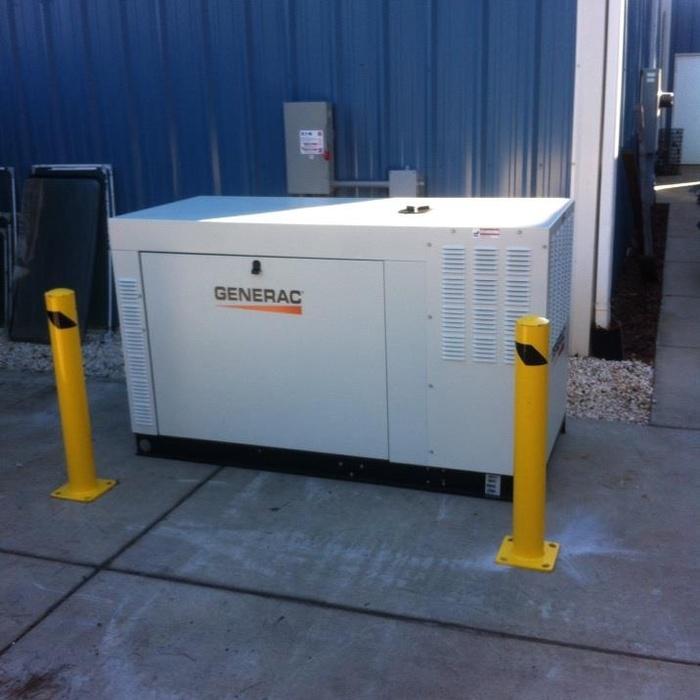
Fixed Generator - InstallElectrical Wiring or Panel UpgradeElectric Vehicle Charging Station Installation - Materials Provided by Consumer+3 more

Serving Granite Falls, NC and surrounding areas

Approved

In business since 2025

Free estimates

Warranties offered

PRIORITY ELECTRIC AND LIGHTING, LLC We offer over 20 years of experience in the electrical industry. We take on a wide range of electrical projects to include full installation for additions and remodels as well as generator installs, wiring and panel upgrades, and a variety of other jobs. We take pride in our quality of work and our commitment to outstanding results. We're committed to providing a personalized service for each individual project we take on. We look forward to building strong, long-term relationships with our clients and guarantee your satisfaction.

Response time1 day
16 neighbors recently requested a quote
...
Showing 1-10 of 178
Electrical FAQs, answered by experts

You can add an electrical outlet outside by sending a wire through the wall from an existing interior outlet. Without having to open up walls, you can thread a new electrical cable from the existing outlet through the wall and to the exterior. You’ll need to cut a hole in the siding to place your new outlet. Ensure that your outdoor outlet is a GFCI outlet (ground fault circuit interrupter outlet) per the National Electrical Code. It’s best to hire an electrician to add an outdoor outlet unless you have previous electrical experience.

In many cases, you can sell your house if it has aluminum wiring, but you are likely required to disclose that fact during the sale. In some cases, your city or area may have banned the sale of homes with aluminum wiring, so you’ll need to update the wiring or arrange for its replacement as part of the sale. In some cases, it will benefit your home sale to replace the wiring system before putting it on the market.

Before you start doing anything else, you must call your electric company to confirm their process. It is technically their meter that you’re moving, so there’s really no such thing as free rein. Moving the meter generally involves disconnecting power from the utility company, disconnecting the cables that run into your electrical panel, and dismounting the meter assembly. Once uninstalled, a handyperson will remount and reconnect the wiring in its new location.

First, check the current electrical code in your area to ensure spaces you’re considering meet the requirements. After that, your outlet’s location is up to you. If you’re moving it to hide wiring, you may want to move it in a spot that will also be hidden from view, such as behind a media center or table. As long as you meet the spacing guidelines set by electrical codes, you should be able to pick any spot in your home for an outlet. 

The American Wire Gauge system calculates wire size diameters using the complicated formula D(AWG)=.005·92((36-AWG)/39) inch. A simpler rule of thumb is that every six-gauge decrease doubles the wire diameter, and every three-gauge decrease doubles the wire’s cross-sectional area. On the other hand, wavenumbers are typically measured in reciprocal meters (1/m or m−1) or reciprocal centimeters (1/cm or cm−1).

The Granite Falls, NC homeowners’ guide to electrical services

From average costs to expert advice, get all the answers you need to get your job done.