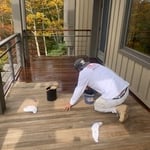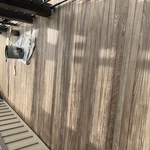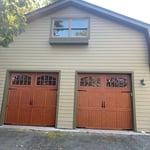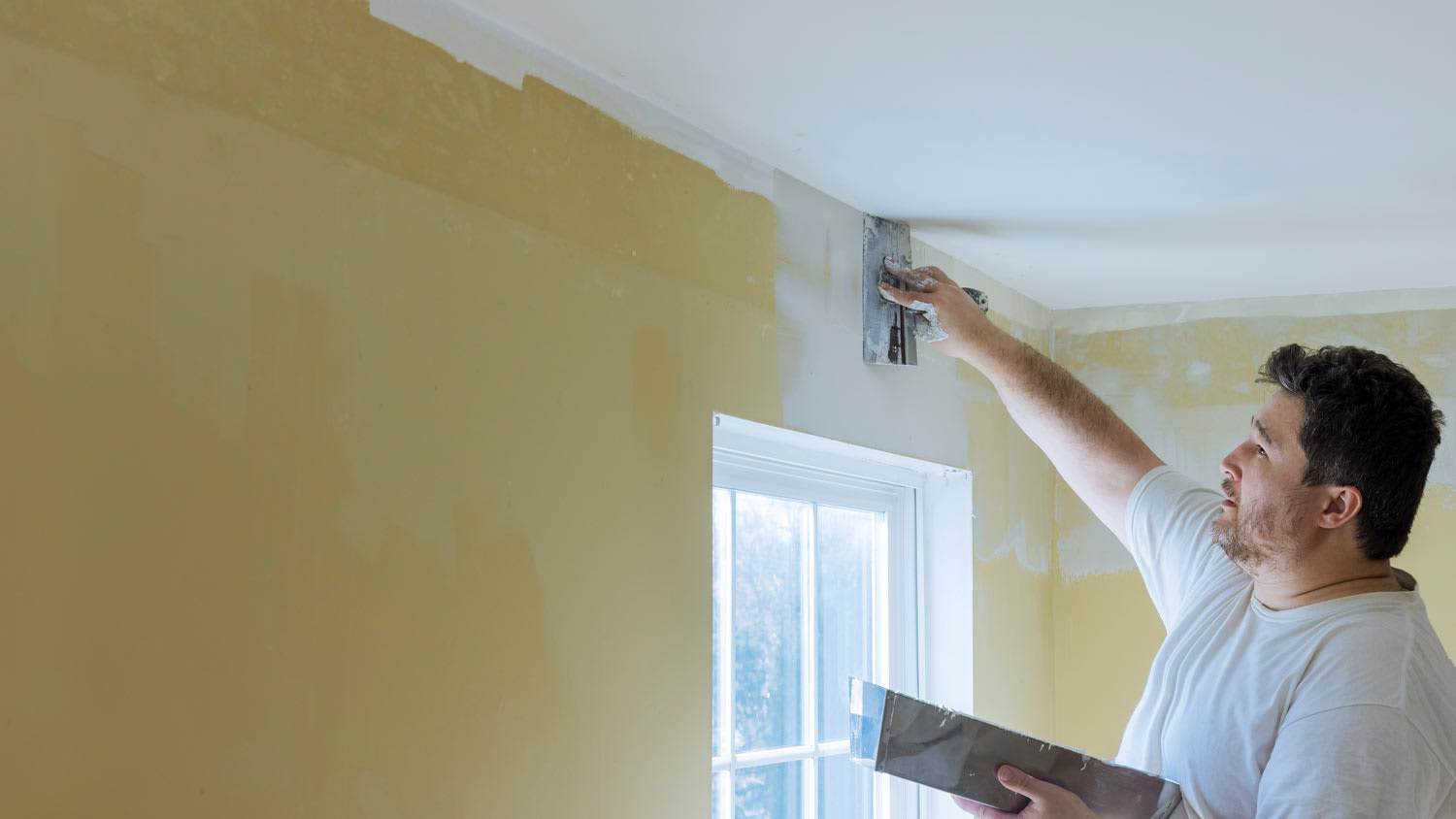




Top-rated drywall pros.

Best drywall pros near Drexel, NC

Enter your zip and get matched with up to 5 pros

Need a pro for your drywall service project in Drexel, NC?

Select your specific project to find the pro for you.

TRUSTED BY DREXEL, NC HOMEOWNERS

  • Average homeowner rating star icon4.6
    Average homeowner rating
  • Verified reviews icon23
    Verified drywall services reviews

Top-Rated Drywall pros in Drexel - Updated Nov 2026

Avatar for Hess Metal Works
Hess Metal Works
5.0(
5
)
Drywall - InstallDrywall - Repair

Serving Drexel, NC and surrounding areas

Approved

Free estimates

Emergency services offered

Warranties offered

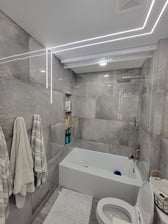
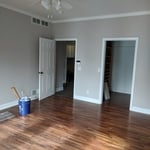
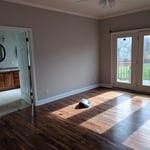
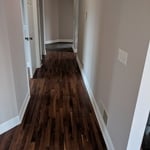
Hello\nI'm Jacob Hess with Hess Metal Works.\nWe have been doing home repair and remodeling for 4 years now. We do everything from ceiling fans and light fixtures to appliances and plumbing.\n\nWe are out of Claremont, NC which is on the outskirts of Hickory, NC.\n\nWe would be glad to come take a look at your job whether small or not. You can contact us at 828-404-2040. \n

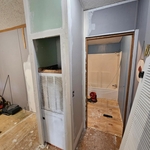
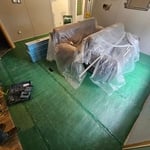
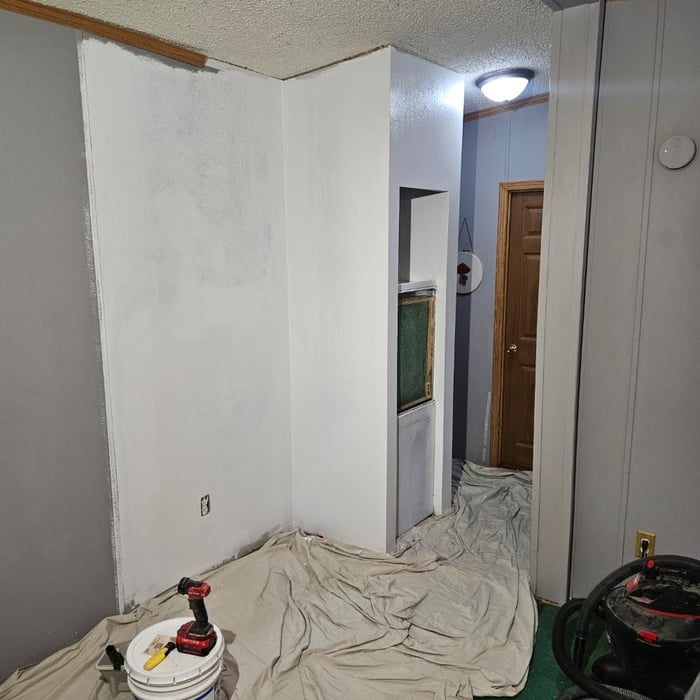
Bathroom, flooring
Bathroom, flooring
Bathroom, flooring
Bathroom, flooring
Bathroom, flooring

+28

...
Showing 1-10 of 139
Drywall FAQs, answered by experts

While certain types of textured walls can seem dated (looking at you, popcorn), textured walls are a common sight in both older and more modern homes. The main reason textured walls may be here to stay is that they are an excellent way to hide minor imperfections on a wall and give it a finished appearance. Some homeowners think a coat of paint on drywall is a bit industrial-looking. However, that look works perfectly in modern home design. 

You should not leave drywall outside, especially overnight or in a wet, humid climate. Exposure to rain and humidity can damage the drywall, weakening its structural integrity and making it susceptible to mold growth. If you must leave drywall outside during a project, be sure to cover it with a tarp or keep it inside a storage shed to protect it. Even drywall intended for exterior projects requires a protective moisture barrier. For best results, store any extra drywall in a dry area away from the elements.

The two most common drywall thicknesses for ceilings are 1/2-inch and 5/8-inch. For most standard residential applications, 1/2-inch drywall is sufficient and widely used. It provides adequate support and is lighter and easier to handle during installation compared to thicker sheets. However, 5/8-inch drywall is often used for specific cases where additional benefits are needed. It is heavier but provides superior sound dampening and fire resistance. You should consider using 5/8-inch drywall for ceilings in commercial buildings, between a garage and a living space, or above a finished basement to meet building codes or for enhanced soundproofing.

Plaster is a beautiful finish but is labor-intensive to install and remove. It’s vulnerable to cracking and more sensitive to moisture variance than drywall. Installing plaster on a new wall is an expensive process that can take days to weeks, depending on the scope. Removing a plaster wall can also be quite expensive and time-consuming.

Wet-sanding and dry-sanding each have pros and cons. Dry-sanding is less messy, so it’s a good option if you’re trying to minimize dust (for example, if you’re sanding an occupied home or working with particularly dry or dusty drywall mud). However, dry-sanding is quicker because you don’t have to keep rinsing a sponge or wait for it to dry before painting.

The Drexel, NC homeowners’ guide to drywall services

From average costs to expert advice, get all the answers you need to get your job done.