

Top-rated drywall pros.

Best drywall pros near Moravian Falls, NC

Enter your zip and get matched with up to 5 pros

Need a pro for your drywall service project in Moravian Falls, NC?

Select your specific project to find the pro for you.

TRUSTED BY MORAVIAN FALLS, NC HOMEOWNERS

  • Average homeowner rating star icon4.7
    Average homeowner rating
  • Verified reviews icon16
    Verified drywall services reviews

Top-Rated Drywall pros in Moravian Falls - Updated Nov 2026

Avatar for Roesner Construction
Roesner Construction
5.0(
3
)
Drywall - RepairDrywall - InstallDrywall - Install - For Business+1 more

Serving Moravian Falls, NC and surrounding areas

Approved

In business since 2024

Free estimates

Small jobs welcome

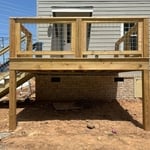
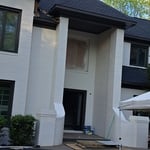
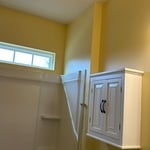
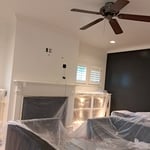
"George with Roesner Construction responded quickly to both our request and with an estimate. He completed both our initial project and some additional projects in a timely fashion. He did a great job with the drywall repair and the painting. We will keep him on our list of folks to call when we need work in the future!"
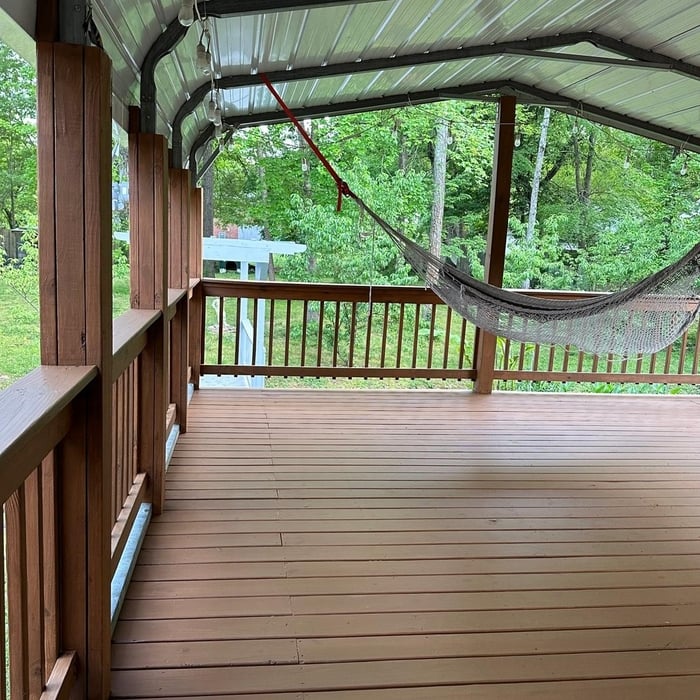
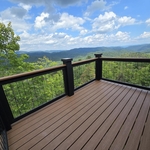
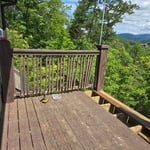
Deck remodel
Deck remodel
Deck remodel
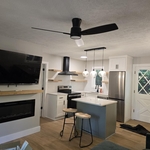
Remodel
Remodel

+7

1 neighbors recently requested a quote
Recommended by33%of homeowners
Avatar for Silver Line Construction Plus
Silver Line Construction Plus
5.0(
11
)
Drywall - InstallDrywall - Install - For BusinessDrywall - Repair+1 more

Serving Moravian Falls, NC and surrounding areas

Approved

In business since 2015

Free estimates

Credit card accepted

"They did a great job! My roof looks great! Reliable and kept me well informed about everything. They kept cost in mind and cleaned up nicely after themselves. Serge even came out late to tarp the roof until it could get repaired so that I didnâ t have any further damage to the house waiting for the roof. They were very nice to work with. Great people. I canâ t say enough good things about them!"
Response time1 day
Recommended by100%of homeowners
...
Showing 1-10 of 112
Drywall FAQs, answered by experts

When choosing materials for finishing basement walls, consider factors such as moisture resistance, durability, and fire resistance. Opt for materials specifically designed for basement environments, like moisture-resistant drywall or cement board. Insulation with vapor barriers can help regulate temperature and prevent condensation. Consider using mold-resistant paints or coatings. 

Research and consult with experts to select materials that are suitable for your specific basement conditions and intended use. Prioritize quality and compatibility to achieve long-lasting and aesthetically pleasing results.

There are a few ways to figure out if your walls are plaster or drywall, but the pushpin method is probably the easiest option. To try it, choose a part of your wall where you can insert a pushpin or thumbtack without leaving an obvious mark. If it goes in easily, you have drywall. But if the wall is tough to penetrate, that’s plaster.

Drywall anchors won’t work on plaster. Instead, they will more than likely cause more damage and pull out the plaster. The best type of anchors to use on plaster walls are the ones that will bite into the surrounding area, such as molly bolts and toggle bolts. Masonry anchors with expanders on the sides also work for lighter pictures.

If you don’t have studs in the area where you want to install your TV mount, you may still be able to install a TV mount on drywall. The easiest way to install a mount on drywall is by using drywall anchors—but not just any plastic anchors. Choose molly bolts or toggle anchors, which have a weight capacity of around 50 pounds. For added support, consider pairing drywall anchors with a wall mounting plate. Extra heavy TVs may need to be mounted via the ceiling joists or beams.

Although they have similar applications, spackle and joint compound are not the same. Their primary differences lie in their composition, consistency, and ideal use cases.

Spackle is composed of gypsum and binding agents, making it thicker than joint compound. It dries quickly and is easy to sand, which makes it ideal for small wall repair projects like filling nail holes or patching minor damage.

Joint compound, also known as drywall mud, consists of limestone and gypsum. It is primarily used for large-scale projects, such as taping and finishing the seams on newly installed drywall. It tends to shrink more than spackle and can be more difficult to spread.

While both products can be used to fill small depressions and cracks, spackle cannot replace joint compound for taping and mudding new drywall. Conversely, you can often use joint compound for small patching jobs typically done with spackle.

The Moravian Falls, NC homeowners’ guide to drywall services

From average costs to expert advice, get all the answers you need to get your job done.