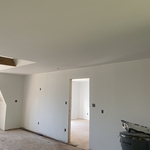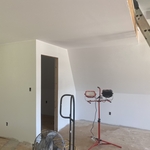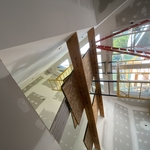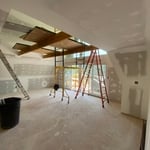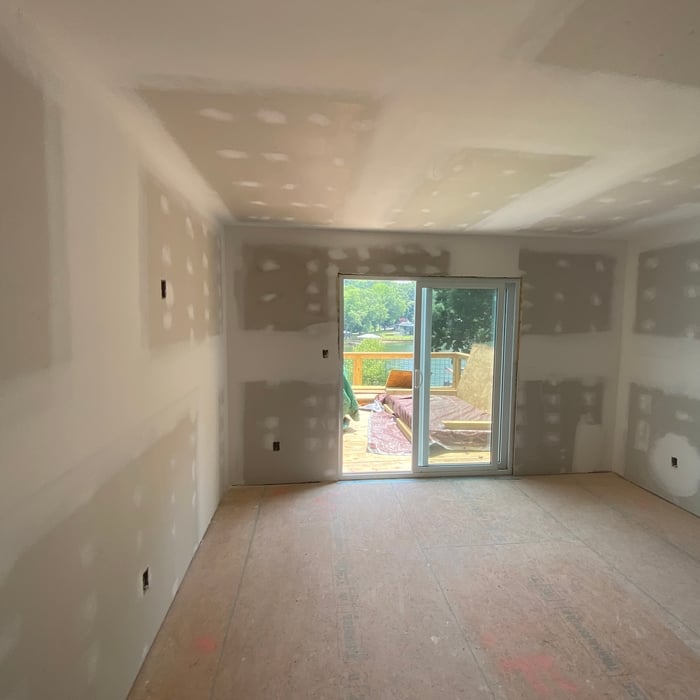



Top-rated drywall pros.

Get matched with top drywall pros in Boone, NC

Enter your zip and get matched with up to 5 pros

Need a pro for your drywall service project in Boone, NC?

Select your specific project to find the pro for you.

TRUSTED BY BOONE, NC HOMEOWNERS

  • Average homeowner rating star icon4.2
    Average homeowner rating
  • Verified reviews icon37
    Verified drywall services reviews

Find Drywall pros in Boone

Avatar for PB Painting Service
PB Painting Service
5.0(
16
)
Drywall - InstallDrywall - Install - For BusinessDrywall - Repair+1 more

Serving Boone, NC and surrounding areas

Approved

In business since 2022

Free estimates

Credit card accepted

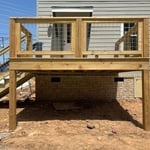
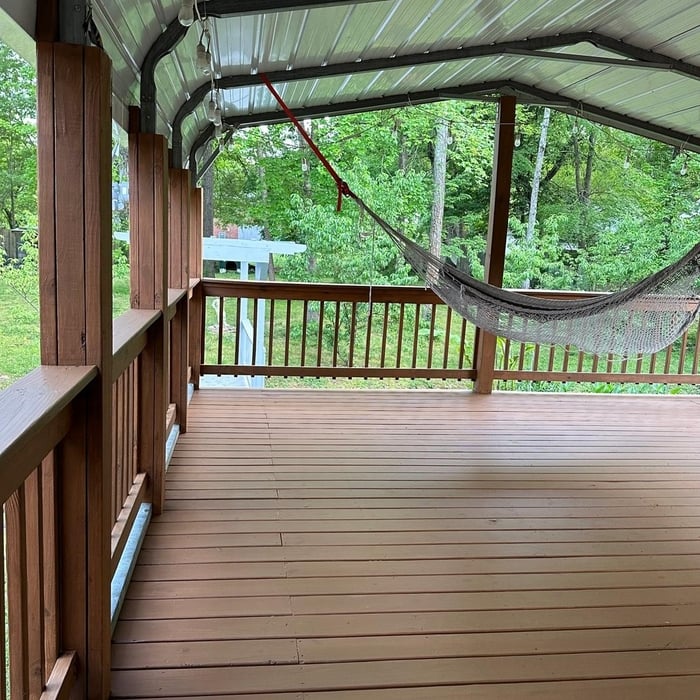
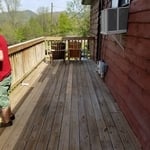
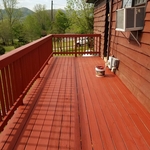
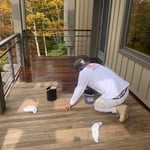
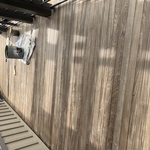
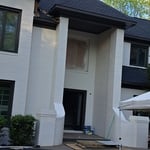
"Pablo and his crew did a fantastic job on my front deck project. They ran into multiple problems and corrected them as they went along. Very professional and cooperative throughout the project. Highly recommended. Looking forward to future projects with Pablo. Thanks Pablo!! Mike Jackson"
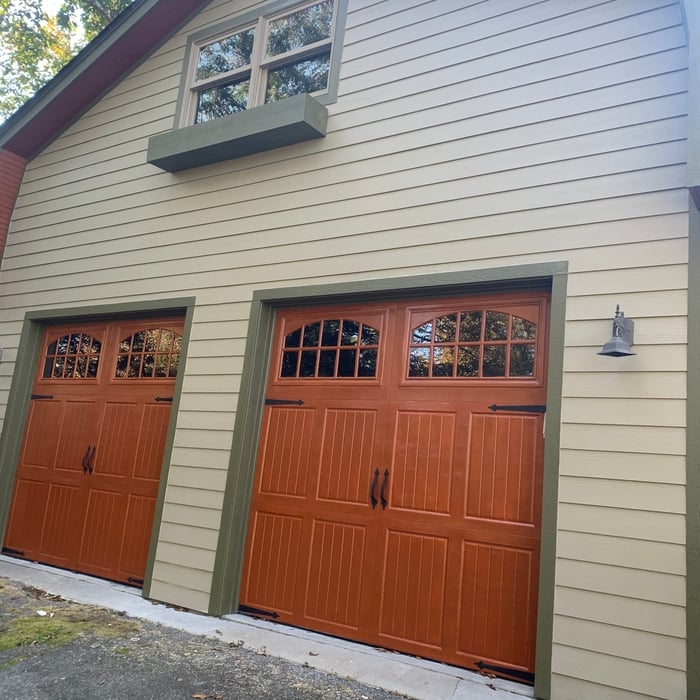
exterior painting
exterior painting
exterior painting
exterior painting
exterior painting

+33

Response time1 day
Response rate88%
4 neighbors recently requested a quote
...
Showing 1-10 of 194
Drywall questions, answered by experts

You should not leave drywall outside, especially overnight or in a wet, humid climate. Exposure to rain and humidity can damage the drywall, weakening its structural integrity and making it susceptible to mold growth. If you must leave drywall outside during a project, be sure to cover it with a tarp or keep it inside a storage shed to protect it. Even drywall intended for exterior projects requires a protective moisture barrier. For best results, store any extra drywall in a dry area away from the elements.

Wall anchors are suitable for drywall and plaster walls, which are common in most homes. However, different wall materials may require specialized anchors. For concrete or masonry walls, you'd typically use concrete anchors. When dealing with other wall types, such as brick or tile, specific anchors designed for those materials may be necessary. Always consult with a hardware specialist or check the manufacturer's recommendations to ensure you select the appropriate anchors for your specific wall type.

Yes, any parts of drywall that are wet or overly moist will need to be replaced. Drywall is intended to be dry (it’s in the name, after all.), as excess moisture can lead to mold and mildew and eventually corrode your home’s foundational building pieces. Do regular inspections in your home to make sure all your plumbing is intact and in good condition—this will go a long way toward preventing leaks.

Mudding drywall is a DIY-friendly project, but patience and practice are required for perfection. If you’re working in a highly visible area and want the best possible finish, hiring a professional drywaller is worth the cost. Pros have the tools and know-how to ensure a smooth surface with fewer sanding sessions and less cleanup.

Although they have similar applications, spackle and joint compound are not the same. Their primary differences lie in their composition, consistency, and ideal use cases.

Spackle is composed of gypsum and binding agents, making it thicker than joint compound. It dries quickly and is easy to sand, which makes it ideal for small wall repair projects like filling nail holes or patching minor damage.

Joint compound, also known as drywall mud, consists of limestone and gypsum. It is primarily used for large-scale projects, such as taping and finishing the seams on newly installed drywall. It tends to shrink more than spackle and can be more difficult to spread.

While both products can be used to fill small depressions and cracks, spackle cannot replace joint compound for taping and mudding new drywall. Conversely, you can often use joint compound for small patching jobs typically done with spackle.

The Boone, NC homeowners’ guide to drywall services

From average costs to expert advice, get all the answers you need to get your job done.