"The tech was very knowledgeable and went above and beyond to satisfy us. Our faucet was broken would not attach to the sink as the copper seal broke to the water lines."
"One oven doesn't work at all ( my choice, see above), the "working" oven was never calibrated properly so using it is hit or miss. It's time to call American Home Shield to see about replacing the entire unit. I'm waiting to finish other home projects before calling them. I don't know if I'll request Greenway again."
Install Above Ground Pools questions, answered by experts
While you should avoid draining an above ground pool on a regular basis, it may be necessary if you are experiencing common signs of major pool problems. When you fully drain your pool, do so slowly with the proper equipment and always avoid draining on a very hot day. In many cases, the pool liner and equipment depend on the cooling effect of the water.
It's not a good idea to drain an aboveground pool into your yard since the pool water's chemicals can harm your plants and the surrounding ecosystem. Instead, it's best to drain the pool into an appropriate sewer so it can be processed at a water treatment plant. You might also be able to drain it into your storm drain, depending on your region. Check with your city to learn about any relevant regulations.
A pool heater is worth the expense, given that it can extend your swimming season by several months, depending on where you live. For many, adding a pool heater allows the pool to remain in service from May through mid-October. Even temperatures in the 40s and 50s are tolerable when the water in the pool is heated.
Yes, some pool designs do not have coping. However, most designers will extend the decking beyond the water's edge to keep water inside the pool and lower potential pool repair costs in the future. A pool without coping may look more seamless but can raise the risk of slipping and make it trickier to get in and out of the pool.
Building a pool yourself will take at least eight to 12 weeks. After all, this is the building timeline after hiring a pool contractor who knows how to draw up plans, analyze your landscape, and apply for proper permits. If you choose to tackle any part of the process alone, assume building a pool will take two to three months at a minimum.
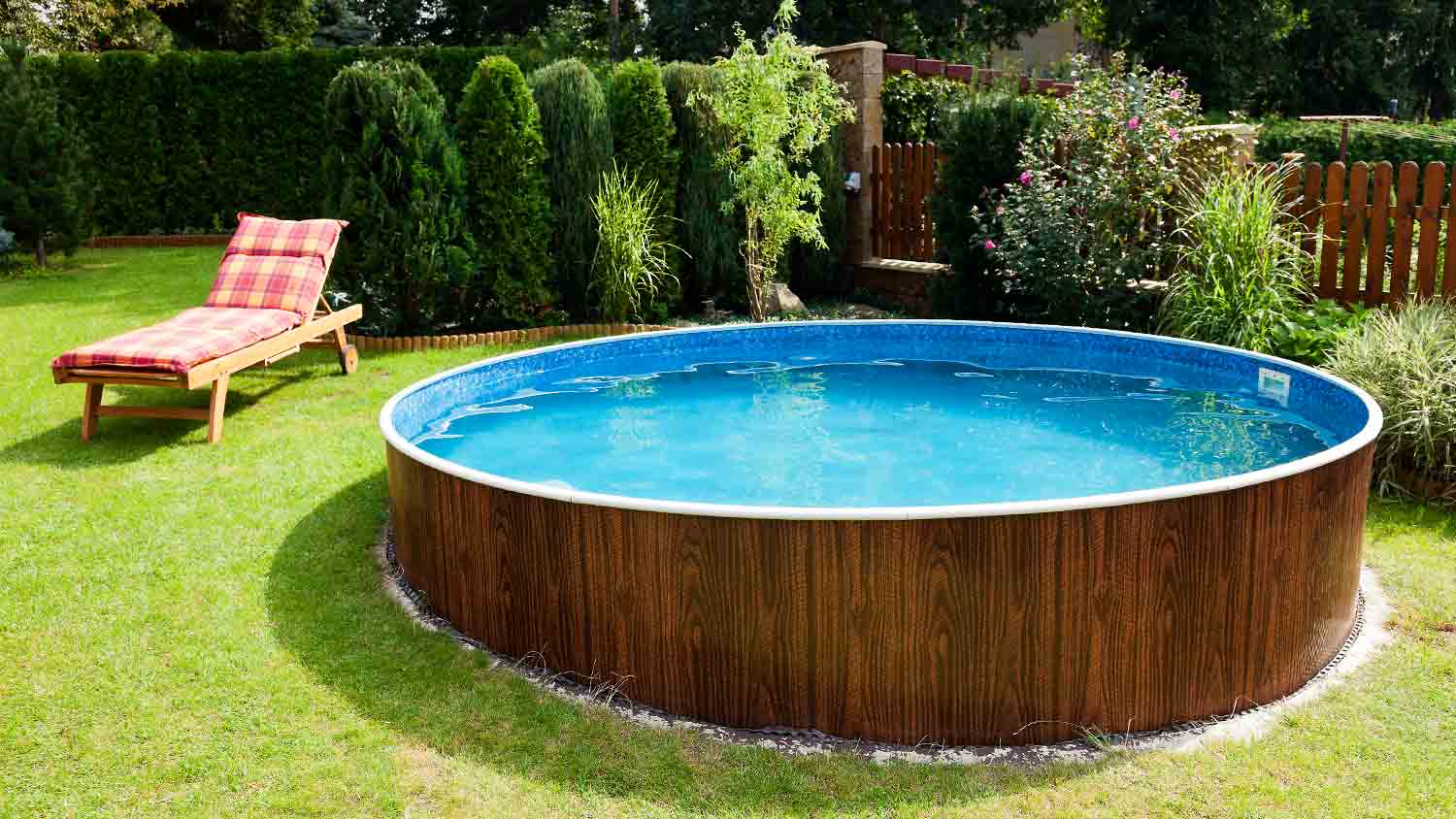
The Baker, MT homeowners’ guide to above ground pool installation services
From average costs to expert advice, get all the answers you need to get your job done.
Above ground pools are more affordable than inground pools, so can you put an above ground pool in the ground to save money? Learn when it’s safe to do so.