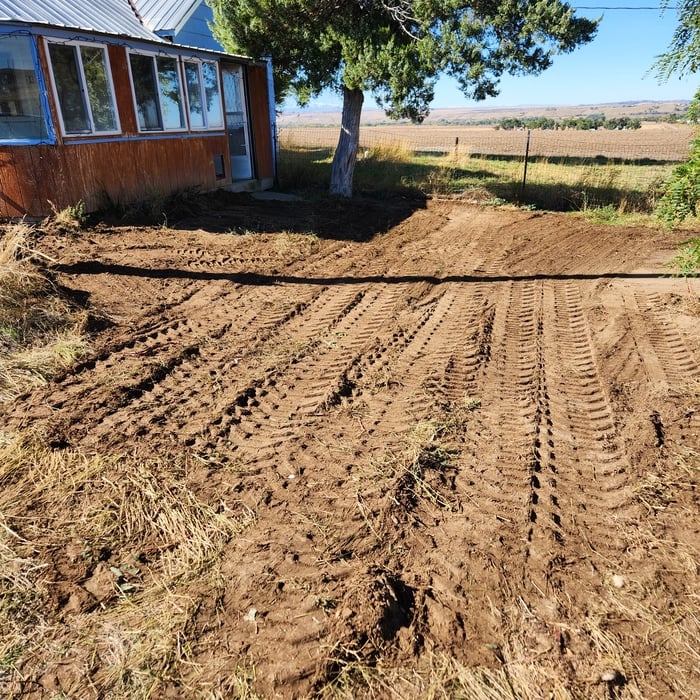
With over 10 years of experience in the construction industry, we are the service professionals that care about your home or business. We handle all types of work, from small landscaping designs to large scale projects such as drainages, erosion control, culvert installs, road repairs, and much more! We pride ourselves in helping everyone, whether it be a small residential project or you're a business looking for a contracted service. Our main goal is to ensure that you receive exactly what you're looking for in our services. we will always treat you and your project as we would treat our own. Give 2T Earth Worx LLC a call today, we look forward to working with you!
"Timothy did a fantastic job replacing our toilet in our bathroom. He explained everything as he worked, helped us to get the best pricing possible on the job and was very friendly with my four year olds of daughter who was thrilled to receive an ECO sticker! Timothy went above and beyond to help us today and we will definitely be using ECO Plumbers again!"
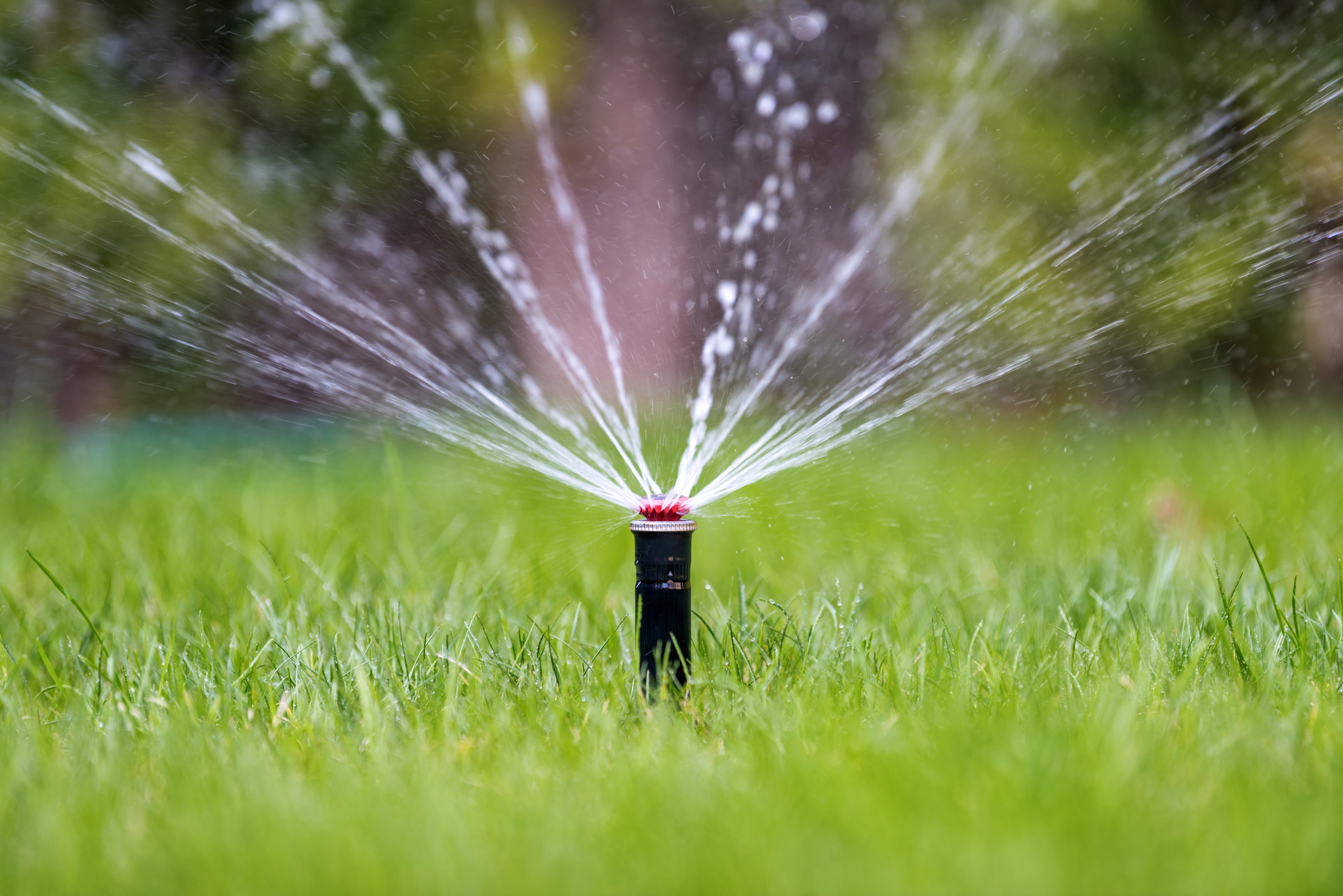
We offer only the best in quality workmanship and professional courtesy. We specialize in all phases of sprinklers. We are committed quality work and outstanding results & are strongly involved in local community activities. We look forward to working with you!
Yes, but the best approach is to apply fertilizer well before you actually sprinkle the seeds. Apply fertilizer with an NPK ratio somewhere around 10-10-20, or 10-10-10, depending on soil test results and the type of grass you're planting, about six to eight weeks before planting grass seed. This mix added to loosened soil will give the grass seed its best chance of getting off to a solid start.
Yes, you should water your grass after seeding it. During the first couple of weeks after laying the seed, you should water the lawn two or three times per day for 10 to 15 minutes each session. After that, you can switch to 20- or 30-minute watering sessions every other day.
When stored under ideal conditions, grass seed lasts anywhere from 10 to 18 months from the testing date without any real decrease in the germination rate. You can still use the seeds after this timeframe, but the germination rates drop 10% to 20% each year.
If you’re just embarking on an overseeding project, using seeds that have been in storage for a few years isn’t too big of a deal. However, if you’re planning on redoing your entire landscape, your best bet for a healthy, luscious lawn is to use new seeds.
Overseeding typically involves spreading grass seed either manually or with a machine that sprays the grass seed out and onto the soil. With overseeding, the grass seeds sit on the soil, and some may fall deeper into the soil if you aerated beforehand. With power seeding, a machine cuts narrow rows into the soil and pushes the grass seeds directly into the soil.
Whether you’re putting down fresh seed or reseeding, there are a few things to keep in mind when seeding your lawn. Be sure to choose the correct seed for your climate, seed at the right time of year, and water two to three times a day for the first week. Generally, Dudley recommends seeding in spring and fall as it is usually cooler and rainier.
The Terry, MT homeowners’ guide to lawn irrigation services
From average costs to expert advice, get all the answers you need to get your job done.
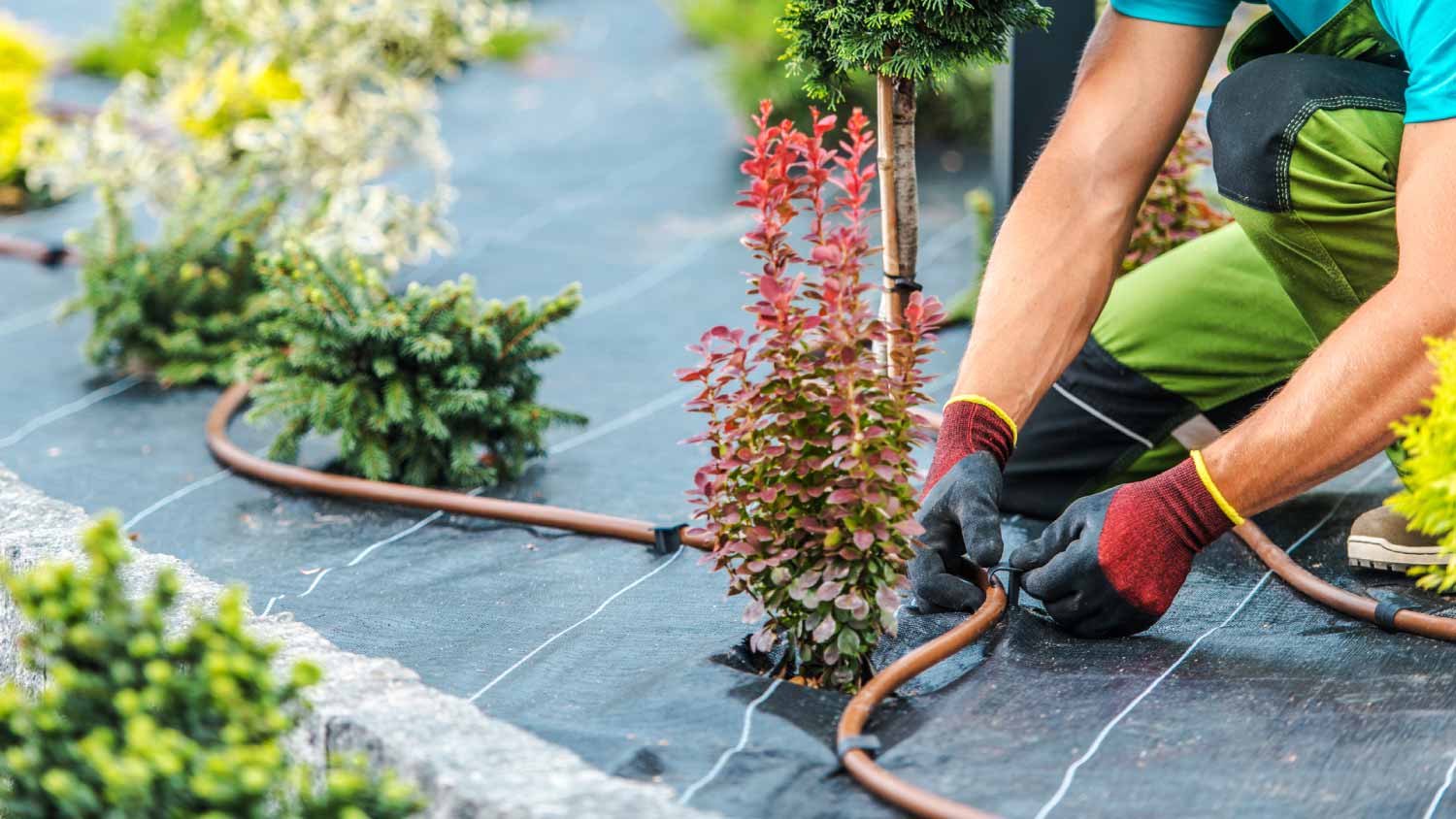
Need an effective solution for watering your garden? Here are four types of drip irrigation systems that can help you nurture your plants to perfection.
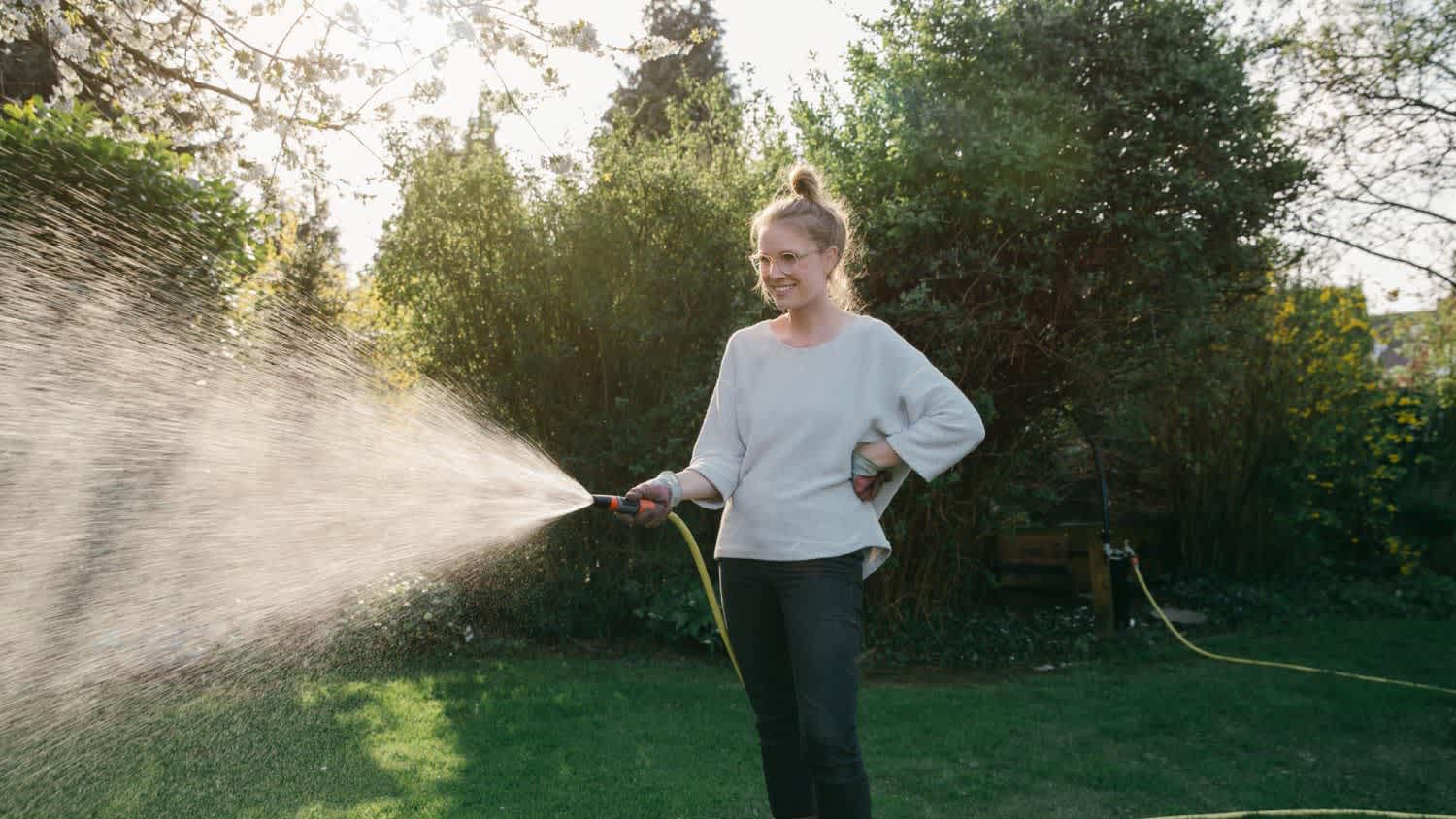
Can you keep your lawn healthy without a costly irrigation system? Absolutely. Learn the best way to water a lawn without a sprinkler system with this guide.