"Well. Only problem was delay in response time after claim was filed online. Water tank started leaking Thanksgiving morning and no reply until I called the Regional Manager."
"I just pay $75 you never know who's going to come out. They do everything electrical. Just about everything is covered except the septic tank. I had an air conditioner replaced. It went great, all I had to do was pay for the freon. He didn't charge e more than what was needed."
Call a dedicated well and pump professional to install your new well pump. In some cases, plumbers may have the experience needed for the installation, but it’s always better to go with a specialized pro. Well and pump contractors have hundreds of hours of experience with all different types of wells and pumps.
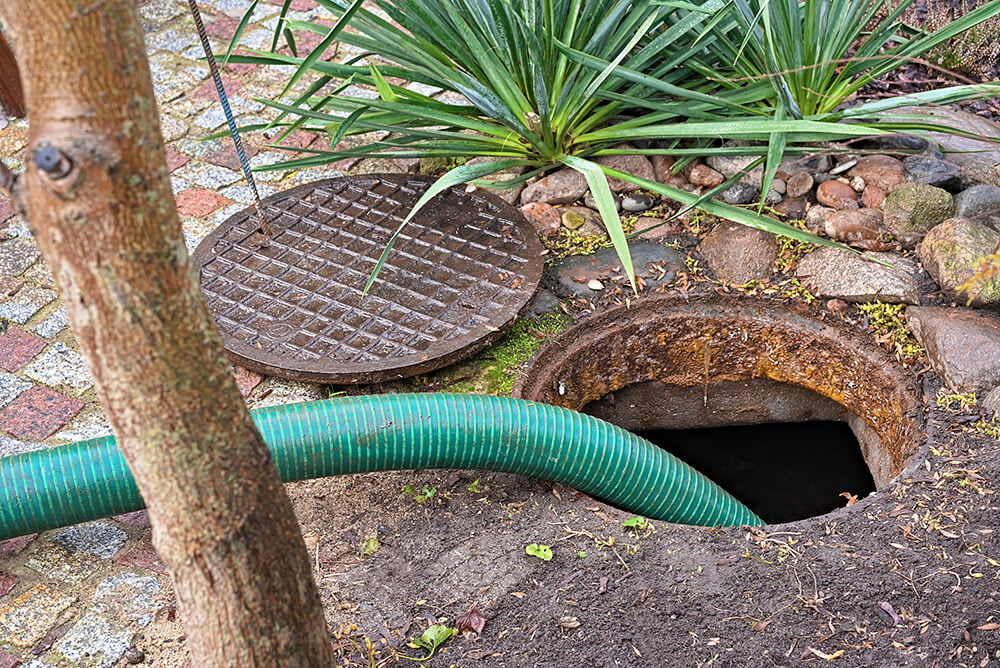
Although cesspits may be necessary depending on your main sewage system access or nearby soil quality, they carry a few drawbacks. Cesspools require regular emptying and have relatively high maintenance and pumping costs. Certain areas also disallow the use of cesspools and may require you to cover the cost of existing cesspools to be converted into septic tanks.
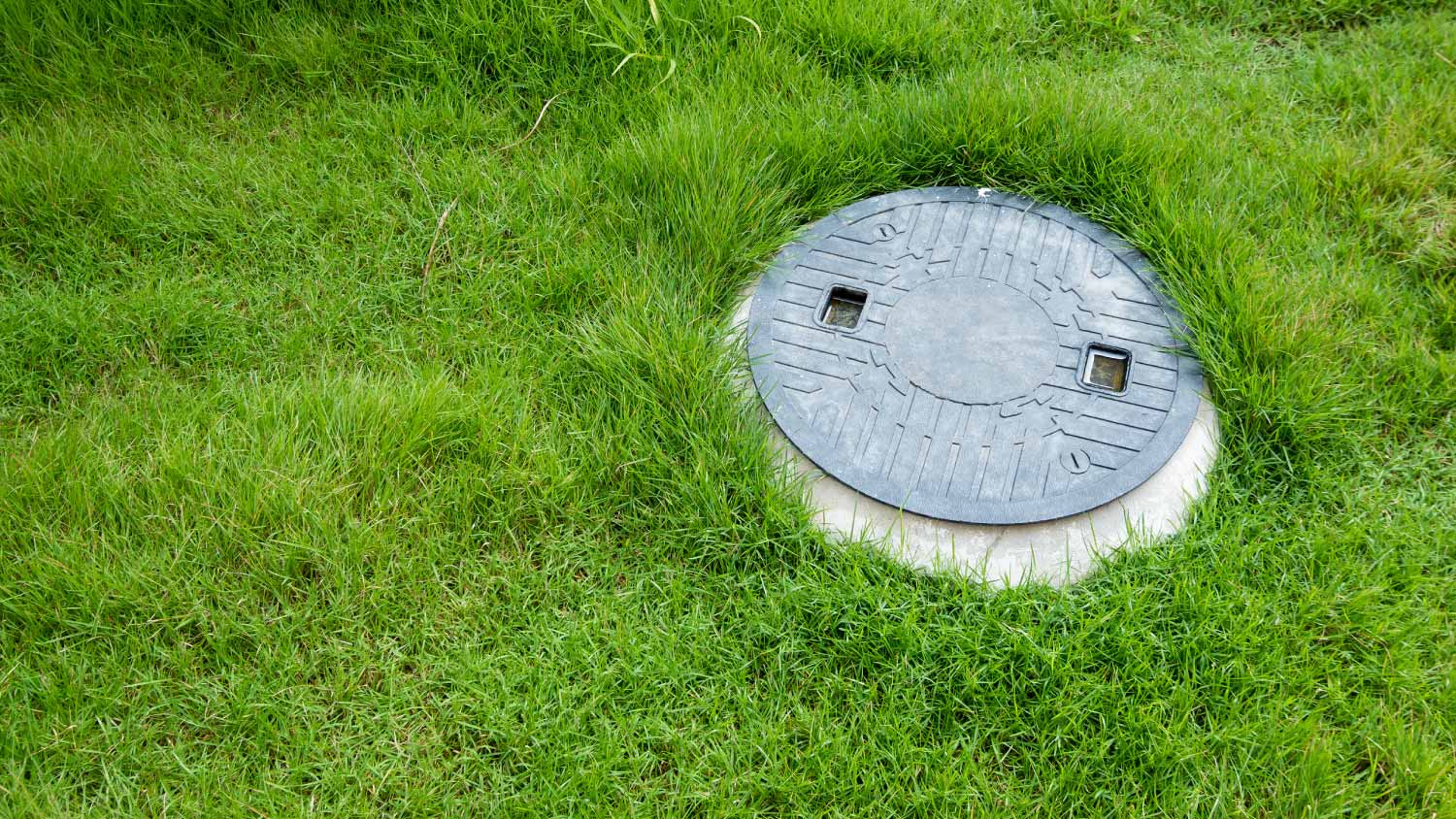
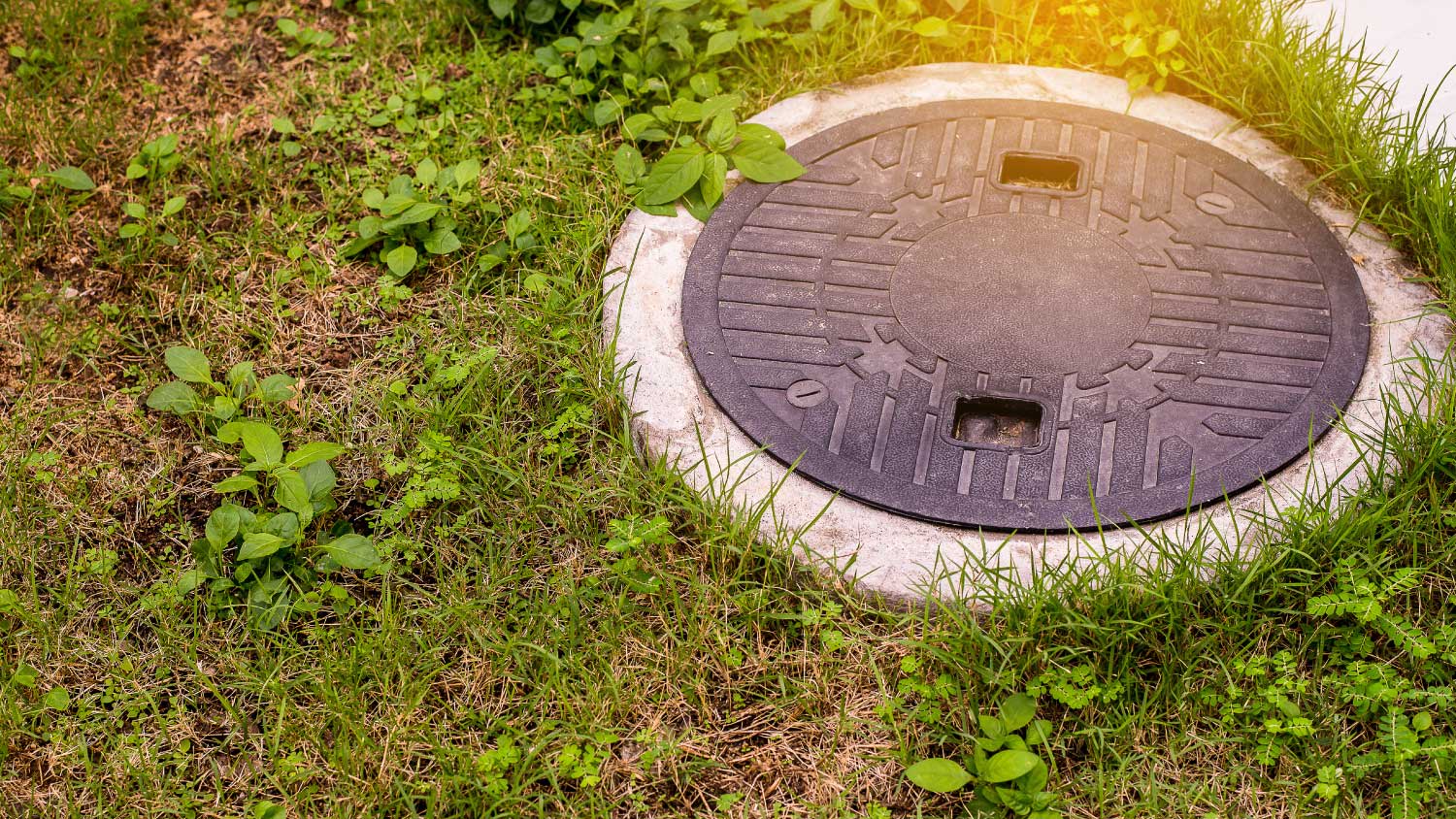
A septic tank lid is often 1 foot underground, but it could be just 4 inches from the surface or 4 feet deep. For septic tank lids that are closer to the surface, you’ll have an easier time locating them just by looking for signs in the yard or using a metal probe. But for septic tanks that are buried deeper underground, you’ll need to hire a pro with specialized equipment to track down the lid without risk of damaging utility lines.
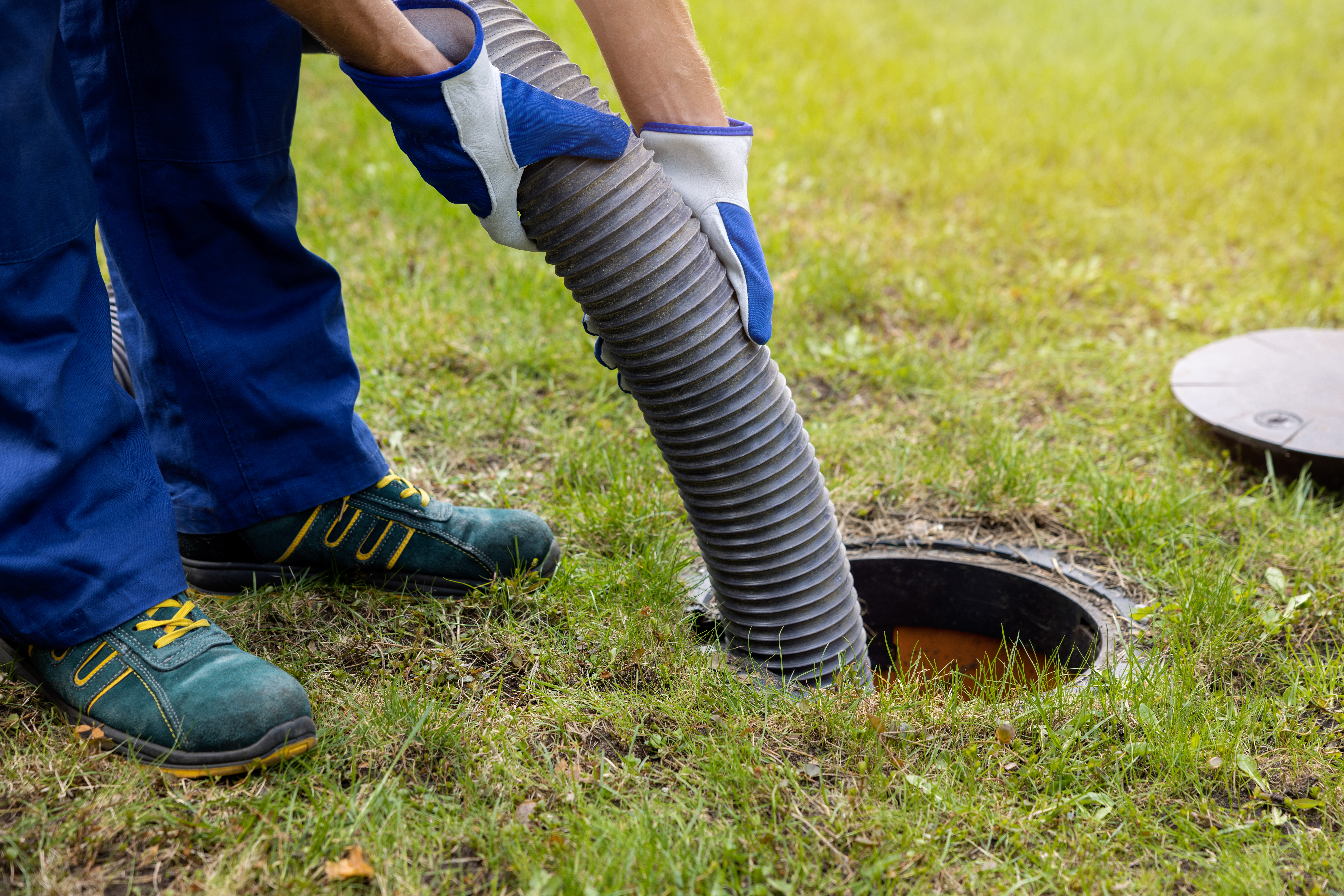
Needing to pump the tank as soon as it “looks” full is a common myth about septic systems, as wastewater will eventually drain into the leach field. Instead, it’s better to determine how many solids have accumulated. A septic maintenance technician near you can test this to find out whether pumping is necessary.
The best times of year to empty or pump a septic tank are spring and fall. Many professionals recommend spring because the ground has thawed, making the tank easier to access and the waste less likely to be frozen. Pumping before summer also helps avoid conflicts with vacations or outdoor gatherings. Fall is another great option, as contractors may be less busy, and servicing the tank can reduce the risk of overflow from winter and spring precipitation. While summer is also a suitable time, winter is generally not recommended due to frozen ground.
The Terry, MT homeowners’ guide to septic tank services
From average costs to expert advice, get all the answers you need to get your job done.
Caring for your septic system is crucial to ensuring its long life. But how much does it cost to pump a septic tank? We explore the different cost factors.
A damaged septic system can leak odors and sewage, so repairs are urgent. Find out how much septic tank repair costs based on repair type, tank size, and more.
Septic tank risers make it easy to access your septic tank when it’s time for routine inspection, maintenance, and pumping, saving you precious time and labor costs.
Septic tank sizes vary depending on the size of your home, how many people live there, how much water you use, and more. Read on to learn how to determine the right size for you.