"The tech was very knowledgeable and went above and beyond to satisfy us. Our faucet was broken would not attach to the sink as the copper seal broke to the water lines."
"One oven doesn't work at all ( my choice, see above), the "working" oven was never calibrated properly so using it is hit or miss. It's time to call American Home Shield to see about replacing the entire unit. I'm waiting to finish other home projects before calling them. I don't know if I'll request Greenway again."
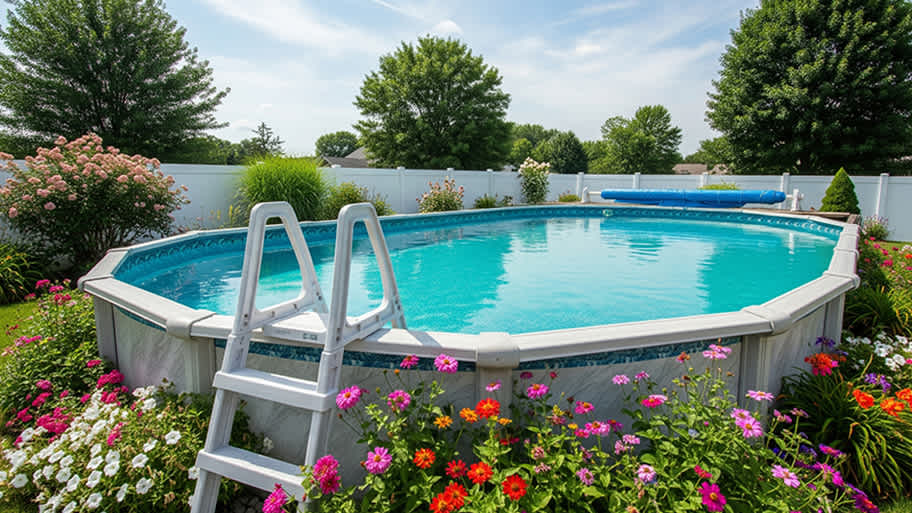
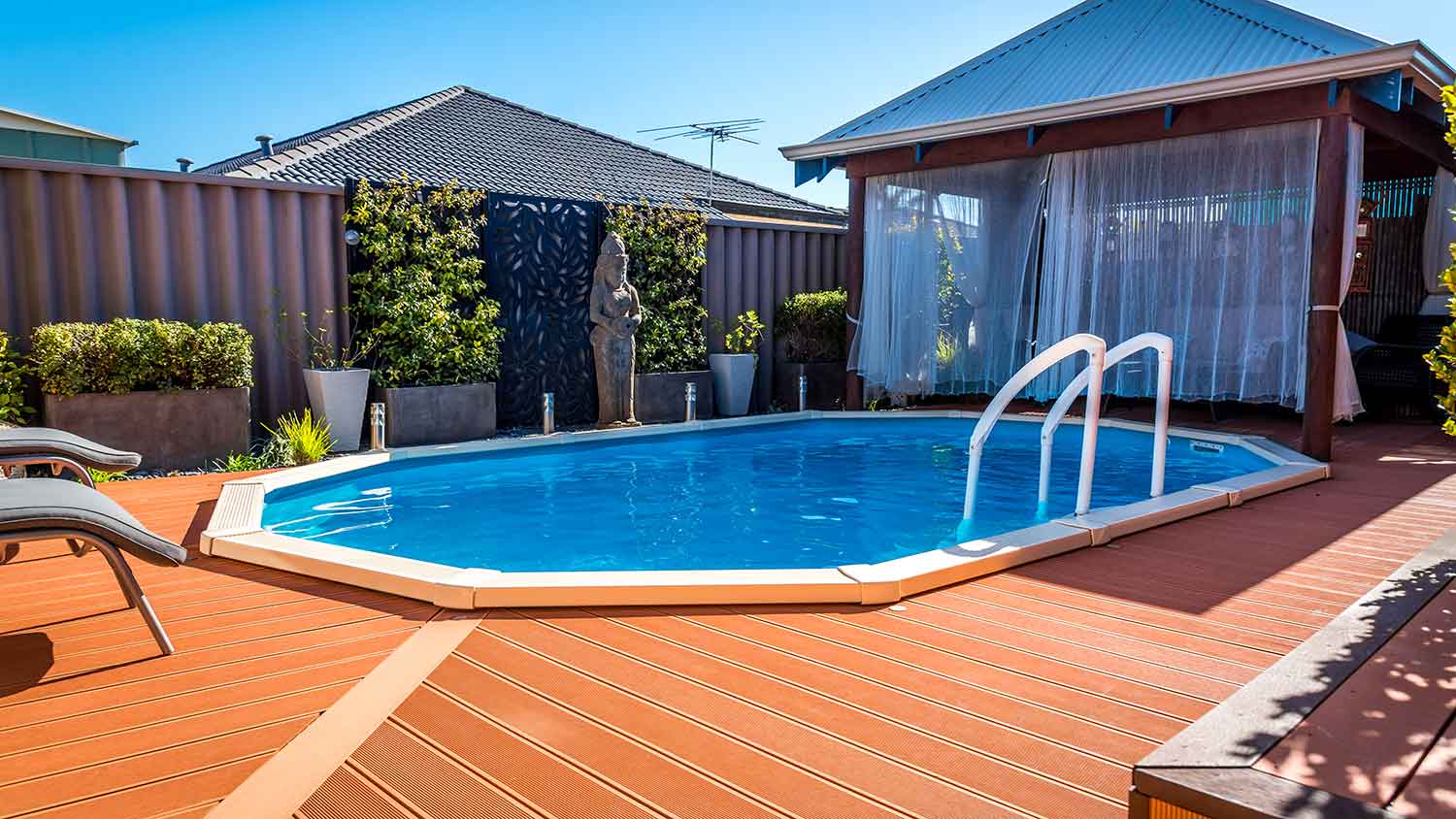
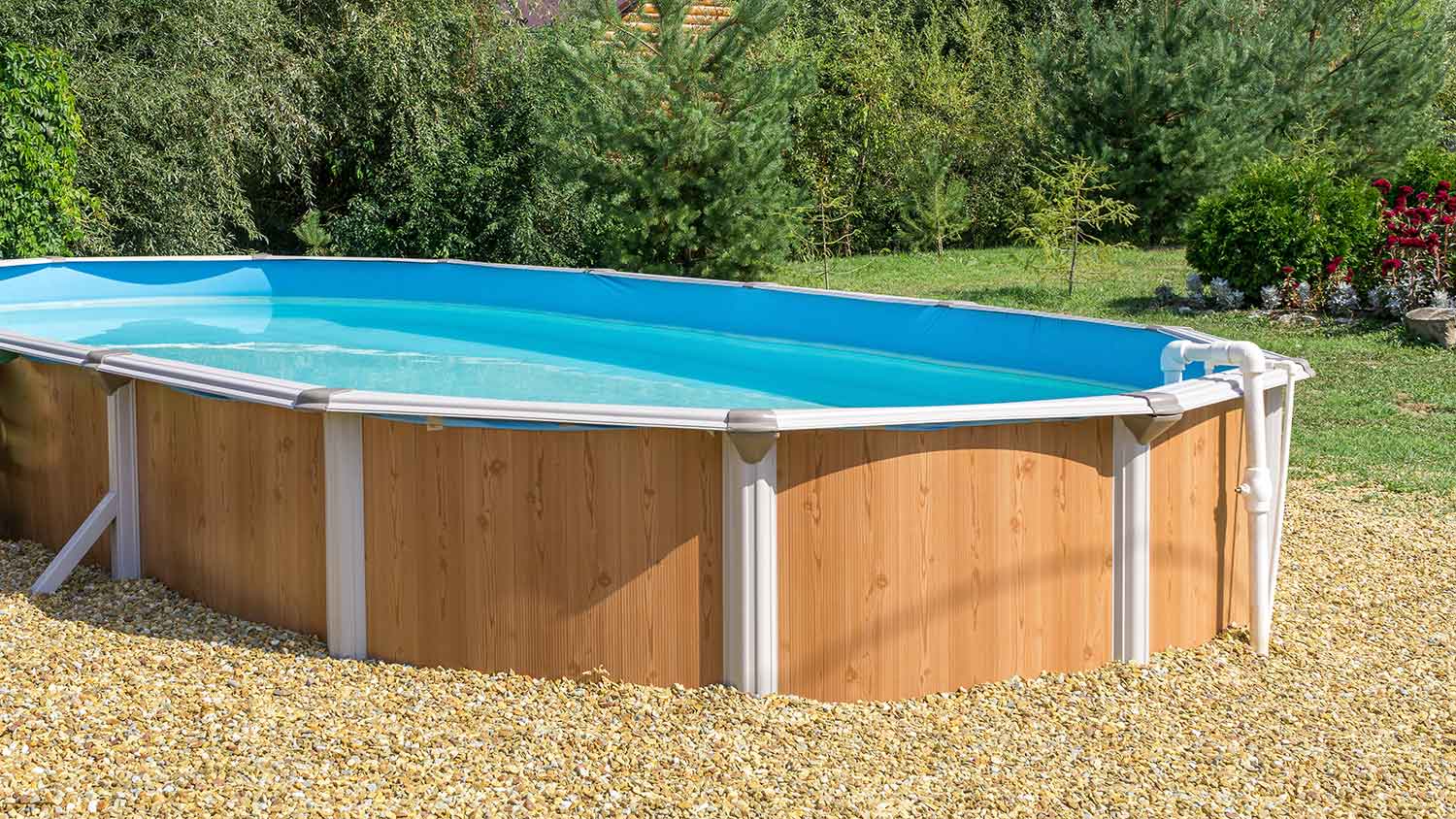
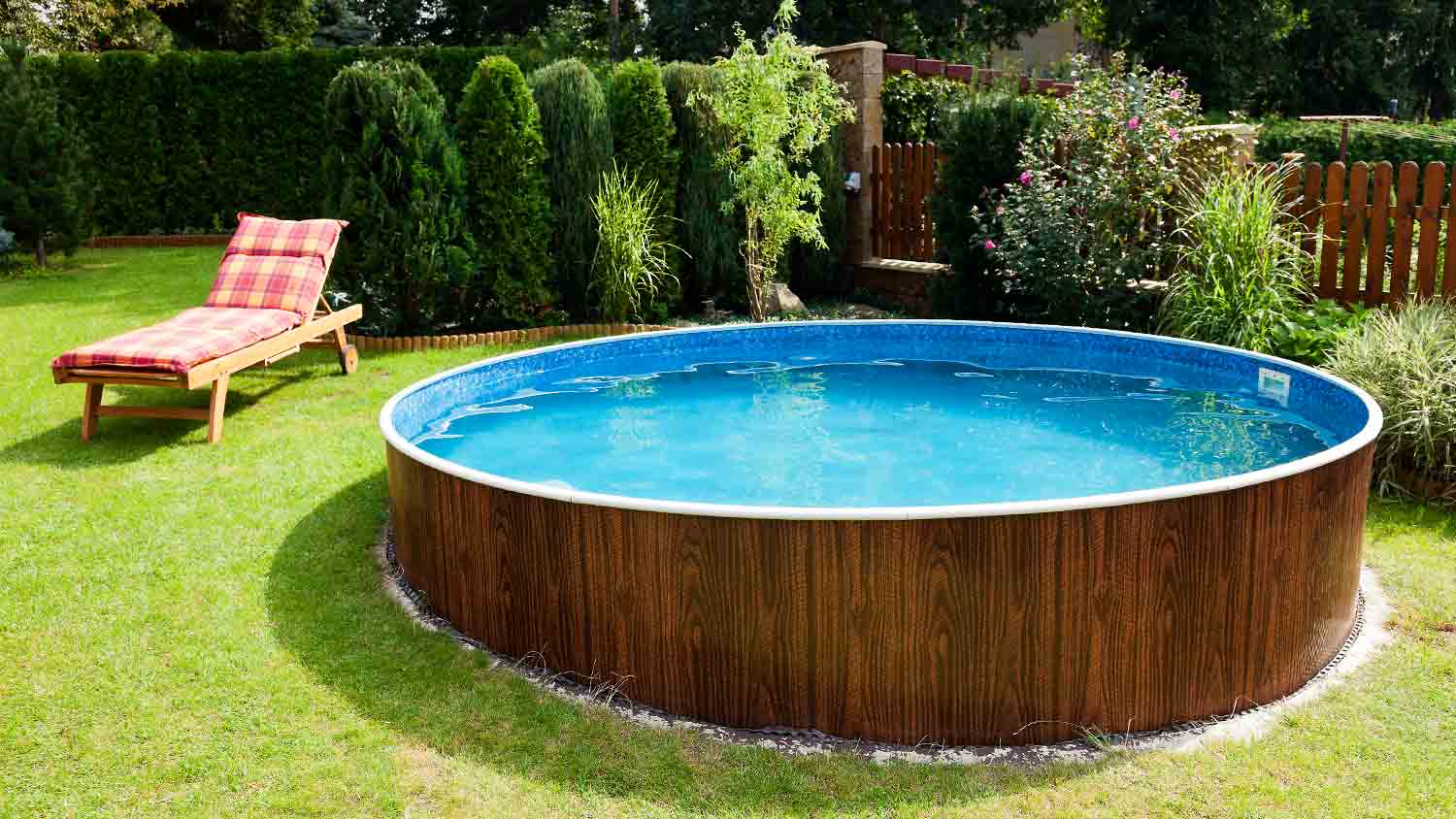
Install Above Ground Pools questions, answered by experts
When you’re winterizing your pool, you need to drain some of the water to prevent cracking and warping from ice. Nonetheless, you should never drain all of the water. Ideally, you’ll lower the water level to anywhere from four to six inches below the skimmer. This will protect the structural integrity of the walls, help prevent your pool liner from warping, and reduce damage from debris.
Figuring out how to clear a green pool can seem tricky at first, but it’s all about knowing which pool cleaning chemicals to use. You may think of using baking soda to help you with your algae problem, but unfortunately, it won’t help. This is because baking soda only raises your pH and alkalinity levels.
Instead, you need to use pool shock to clear up a green pool—the shock raises the free chlorine levels and will kill the algae.
Concrete pools have the longest life span. As long as you properly maintain your concrete pool, you can expect it to last 50 to 100 years. That said, you will need to resurface your concrete pool as it ages. Fiberglass is durable, but fiberglass pools generally only last around 25 to 30 years. That said, some high-end fiberglass pools can last more than 50 years if they’re well-maintained.
Generally speaking, you should expect to wait 24 to 48 hours after filling a pool before you use it. However, the actual timeline depends on a few factors. Most importantly, you need to shock the water with chlorine or an alternative to swimming pool chlorine and let the concentration come down to a safe level before using the pool. Additionally, most water sources will be cold, and it can take days before the sun or your pool heater warms your water to a comfortable temperature. Alternatively, getting water professionally delivered could have you swimming in just a few hours.
Both above ground and inground pools can have pool liners. Inground pools made of gunite don’t need pool liners, and you’ve probably walked along an unlined pool and felt the ripples and ridges on the floors and walls. But adding a liner over gunite or other pool types helps protect the wall panels from algae growth.
The Butte, MT homeowners’ guide to above ground pool installation services
From average costs to expert advice, get all the answers you need to get your job done.
Above ground pools are more affordable than inground pools, so can you put an above ground pool in the ground to save money? Learn when it’s safe to do so.