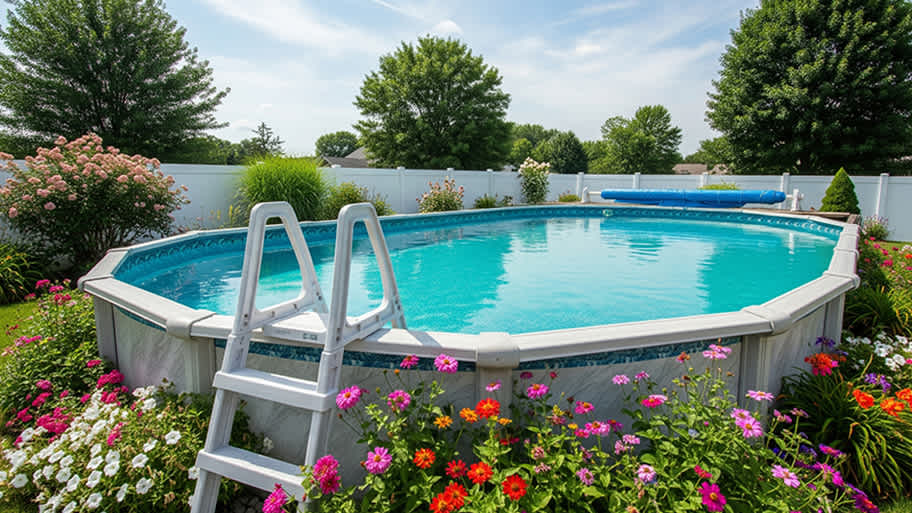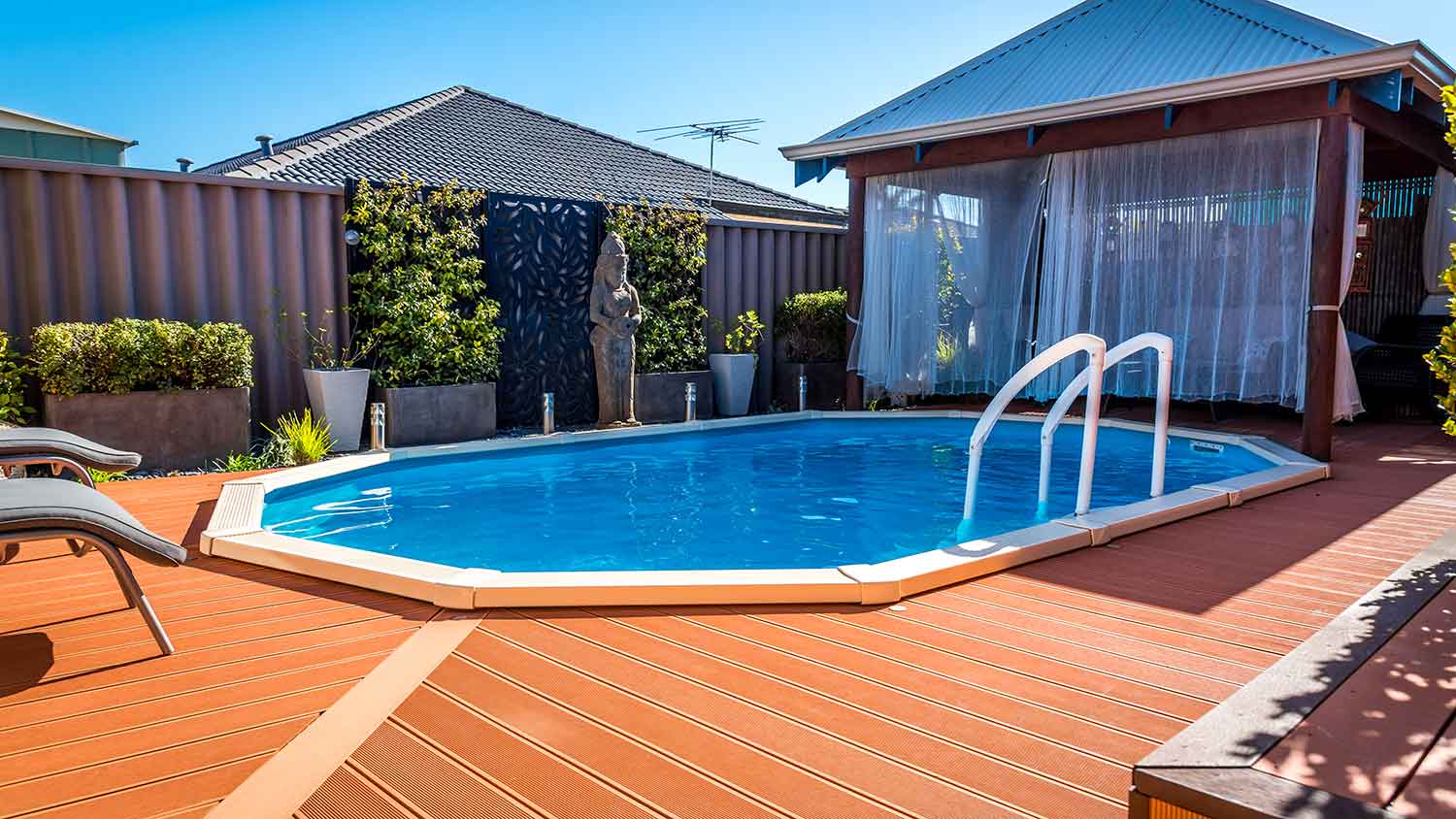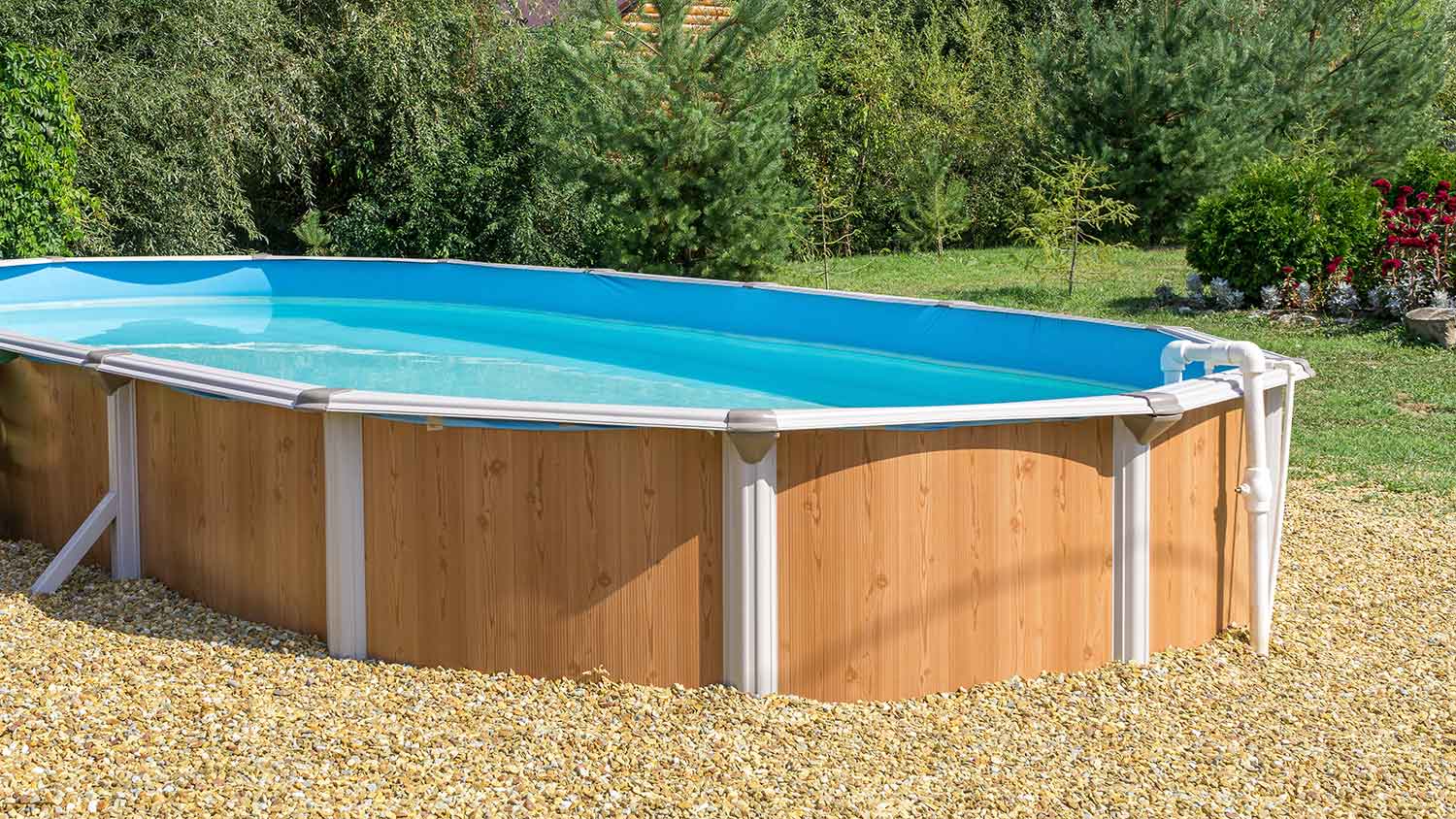





Top-rated above ground pool installation pros.

Get matched with top above ground pool installation pros in Manhattan, MT

Enter your zip and get matched with up to 5 pros

Need a pro for your above ground pool installation project in Manhattan, MT?

Select your specific project to find the pro for you.

TRUSTED BY MANHATTAN, MT HOMEOWNERS

  • Average homeowner rating star icon4.6
    Average homeowner rating
  • Verified reviews icon10
    Verified above ground pool installation services reviews

Find Above ground pool installation pros in Manhattan

Avatar for American Home Shield – Home Warranty
American Home Shield – Home Warranty
3.5(
5,688
)
Above Ground Swimming Pool or Accessories - Repair or Service

Serving Manhattan, MT and surrounding areas

In business since 1971

Credit card accepted

"One oven doesn't work at all ( my choice, see above), the "working" oven was never calibrated properly so using it is hit or miss. It's time to call American Home Shield to see about replacing the entire unit. I'm waiting to finish other home projects before calling them. I don't know if I'll request Greenway again."
Additional Photos
Additional Photos
Additional Photos
Additional Photos
Additional Photos

+2

Recommended by65%of homeowners
Install Above Ground Pools questions, answered by experts

Water only runs through a pool heater when not in use if the heater doesn’t have a bypass system. A bypass system stops the flow of water through the heater when not in use. If you don’t have one, then yes, water will still run through the pool heater even when not in use. Not having a bypass system may increase the effects of wear and tear on your pool heater or disrupt the water’s chemical balance.

Yes, you will need to shock your pool with high levels of chlorine or bromine when you first fill it to kill off bacteria and pathogens. You’ll need to wait for the chlorine concentration to come back down to a safe level before swimming. After that, you can test and maintain the chlorine and other levels as normal. The only exception to this is if you get pool water delivered by a professional. In that case, the water might come pretreated, so you might not need to shock it.

Yes, you can put too much shock in a pool, and it is crucial to follow the directions on the product you are using. Adding excess shock can upset the chemical balance, make the water cloudy, have adverse effects on swimmers, damage pool equipment or surfaces, and even encourage certain types of algae to grow. If you have over-shocked your pool, perform a water test and adjust the chemicals as necessary. The pool's chemical balance will eventually return to normal as the excess chlorine dissipates over time.

Pool leaks most commonly occur at joints or where different materials meet. The most frequent leak spots include:

  • The Pool Skimmer: Where the plastic skimmer meets the pool's liner or shell.

  • The Pool Liner: Tears can develop in vinyl liners, especially those between 5 and 20 years old. Leaks also occur around the liner's edge.

  • Fittings and Accessories: Areas around return lines, the main drain, and pool lights are common culprits.

  • Pool Equipment: The pump, filter, and filter housing can also leak.

While leaks in underground pipes are less common, they can be costly to fix. It's usually best to check the more common spots before investigating the plumbing system.

Pool concrete or gunite can take several weeks to cure, or an average of 30 days, before workers can resume construction. Additional work and finishes push the time to build a pool out of concrete to between three and six months. There are many types of pools that take far less time, so keep these in mind if you're on a short timeline.

The Manhattan, MT homeowners’ guide to above ground pool installation services

From average costs to expert advice, get all the answers you need to get your job done.