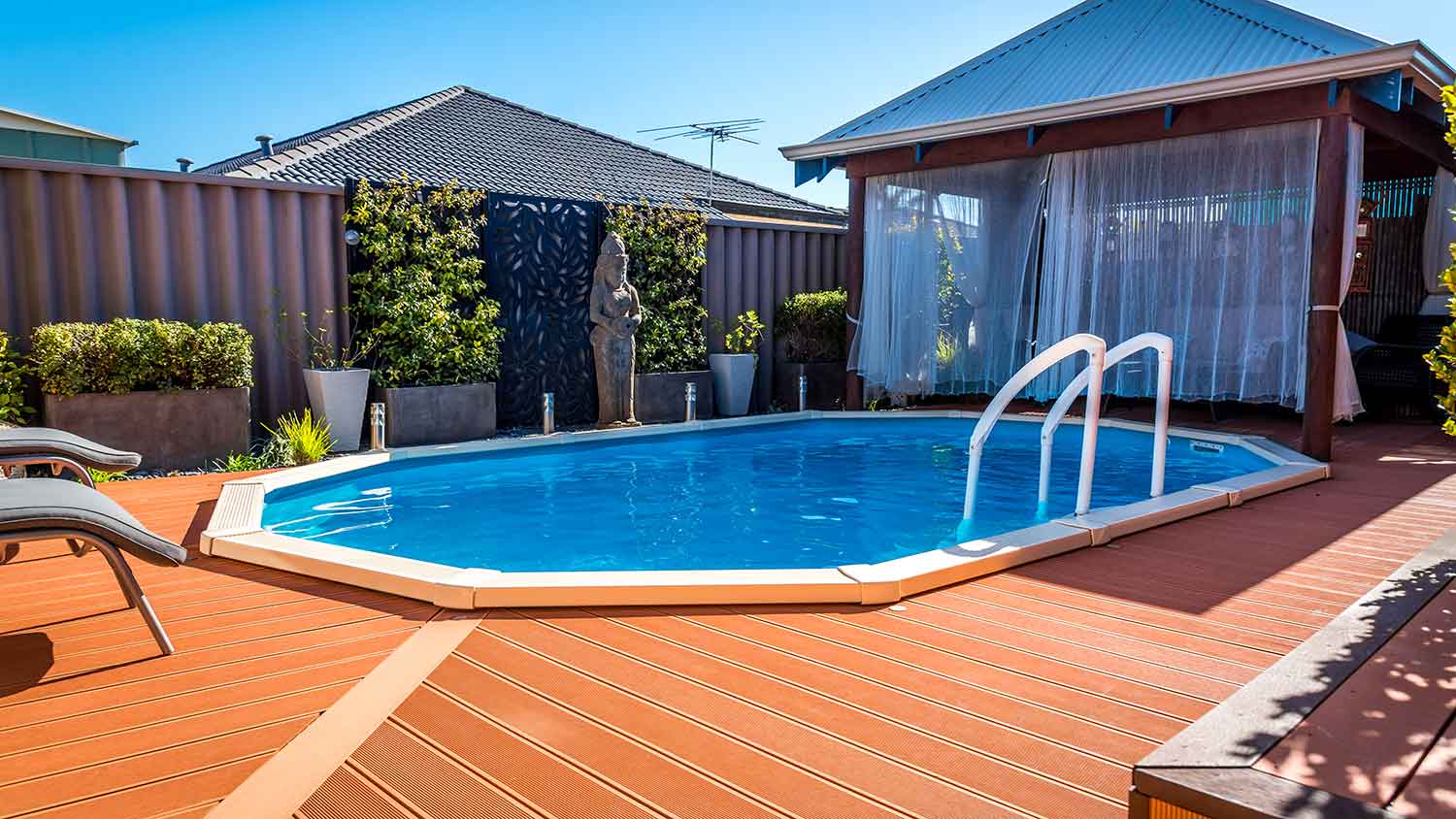


Top-rated above ground pool installation pros.

Get matched with top above ground pool installation pros in Boulder, MT

Enter your zip and get matched with up to 5 pros

Need a pro for your above ground pool installation project in Boulder, MT?

Select your specific project to find the pro for you.

Find Above ground pool installation pros in Boulder

Avatar for American Home Shield – Home Warranty
American Home Shield – Home Warranty
3.5(
5,688
)
Above Ground Swimming Pool or Accessories - Repair or Service

Serving Boulder, MT and surrounding areas

In business since 1971

Credit card accepted

"One oven doesn't work at all ( my choice, see above), the "working" oven was never calibrated properly so using it is hit or miss. It's time to call American Home Shield to see about replacing the entire unit. I'm waiting to finish other home projects before calling them. I don't know if I'll request Greenway again."
Additional Photos
Additional Photos
Additional Photos
Additional Photos
Additional Photos

+2

Recommended by65%of homeowners
Install Above Ground Pools questions, answered by experts

The life expectancy of a gunite pool is about 100 years or more with proper care. Clean your pool at least once a week and plan to resurface it every five to seven years. For winter, close down the gunite pool but don’t drain it. And you can increase your gunite pool’s longevity by repairing any damage and addressing any issues as soon as you notice them.

You should avoid filling your pool overnight—just as a precaution. You’ll want someone around to check on the progress. If your hose springs a leak or you overfill your pool, you could end up with some costly water damage. At worst, you could flood your home’s foundation. For this reason, ensure someone is home and awake, even if your pool takes a couple of days to fill.

Avoid the dreaded pool pop by only draining your pool during dry, temperate times of the year. If there is too much moisture or the threat of ice in the ground surrounding your pool, the pressure could disrupt the stability of your pool's floors and walls. Additionally, always open the hydrostatic drains in an inground pool toward the end of the design process.

An easy way to know whether your sand filter has enough sand is to check how full the filter is and what the sand looks and feels like. The filter container should be two-thirds to three-quarters full of sand. Look for interior marks indicating the ideal sand level. If you put your hand into the sand, it should flow through your fingers without clumping. The filter pressure gauge is also an easy indicator—the right amount of sand leads to normal pressure, while too much or too little sand can cause high or low pressure.

Pool leaks most commonly occur at joints or where different materials meet. The most frequent leak spots include:

  • The Pool Skimmer: Where the plastic skimmer meets the pool's liner or shell.

  • The Pool Liner: Tears can develop in vinyl liners, especially those between 5 and 20 years old. Leaks also occur around the liner's edge.

  • Fittings and Accessories: Areas around return lines, the main drain, and pool lights are common culprits.

  • Pool Equipment: The pump, filter, and filter housing can also leak.

While leaks in underground pipes are less common, they can be costly to fix. It's usually best to check the more common spots before investigating the plumbing system.

The Boulder, MT homeowners’ guide to above ground pool installation services

From average costs to expert advice, get all the answers you need to get your job done.