



Top-rated chimney inspectors.

Get matched with top chimney inspectors in Lansing, MI

Enter your zip and get matched with up to 5 pros

Need a pro for your chimney inspection project in Lansing, MI?

Select your specific project to find the pro for you.

TRUSTED BY LANSING, MI HOMEOWNERS

  • Average homeowner rating star icon4.2
    Average homeowner rating
  • Verified reviews icon68
    Verified chimney inspection services reviews

Find Chimney inspectors in Lansing

Avatar for Proven Property Works
Proven Property Works
New to Angi
Clean and Inspect a wood fireplace chimneyClean and Inspect an oil-fired chimney

Serving Lansing, MI and surrounding areas

Approved

Proven Property Works is a locally owned home-improvement company based out of Greenville MI, serving Grand Rapids and surrounding West Michigan communities. We specialize in fences, decks, exterior improvements, repairs, painting, and general property maintenance. We take pride in honest communication, dependable service, fair pricing, and quality workmanship. Whether you need a small repair or a larger property upgrade, we’re committed to doing the job right and treating your home like it’s our own.

SplashNowSplashLater
New to Angi
Clean and Inspect a wood fireplace chimneyClean and Inspect an oil-fired chimney

Serving Lansing, MI and surrounding areas

Approved

Free estimates

Emergency services offered

Warranties offered

I’m a hardworking, reliable, and experienced professional with a strong background in construction, field work, and customer service. I take pride in being dependable, paying attention to detail, and getting the job done the right way. I’m respectful, easy to work with, and always willing to go the extra mile to make sure customers are satisfied. I’m looking forward to bringing my skills, experience, and positive attitude to every job.

Avatar for Absolute Chimney & Masonry Services, LLC
Absolute Chimney & Masonry Services, LLC
4.8(
25
)
Chimney or Fireplace - Clean and Inspect - For BusinessClean and Inspect a wood fireplace chimney

Serving Lansing, MI and surrounding areas

In business since 2010

Emergency services offered

Small jobs welcome

"After dealing with another contractor which insisted that the only solution to our issue was to break out the flue tiles, line the chimney and install a new smaller wood stove, Eli from Absolute Chimney proposed â PCRâ treatment of our chimney to address heavy creosote glazing. Three treatments later, we had a chimney that was clean as a whistle, no liner needed, & no new stove necessary. We are ecstatic with the results (and huge cost savings). Eli was knowledgeable, helpful and really committed to helping us. Weâ ll be a return customer without a doubt!"
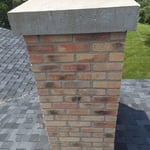
Inspection post cleaning
New cement crown
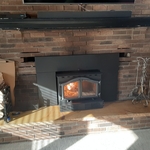
Woodburning Inser
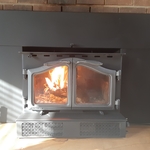
Insert final
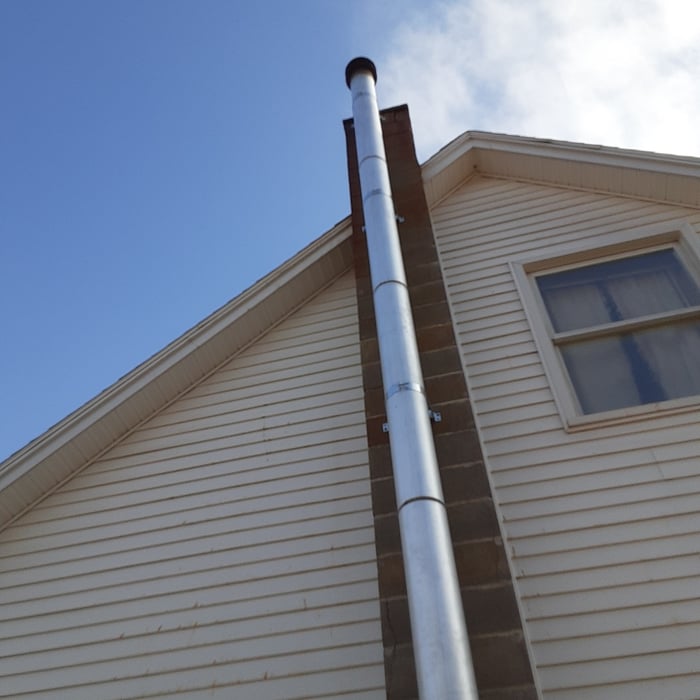
Class A Chimney

+6

Response time1 day
Response rate86%
Recommended by90%of homeowners
Showing 1-10 of 34
Chimney Inspection questions, answered by experts

An improper DIY roof cleaning could cause leaks by damaging the roofing material. Things like using too much water pressure on the shingles or applying a harsh cleaning solution could cause damage. If you do enough damage, you could harm the ability of the shingles or other roof materials to keep water out of your home.

Your shingles have hail damage if you notice cracks, dents, bruises, or missing granules from your shingles. If you can’t assess your shingles from on the ground, contact your home insurance company to file a claim. They can work with you to get a local roofing contractor out to your home for an inspection.

A standard roof can hold a live load of about 20 pounds per square foot. However, gable roofs often have steeper-than-average slopes, so calculating their weight capacity can be challenging. If the slope of your gable roof is greater than 4:12, the live load needs to be decreased to allow for a larger dead load. Ask your roofer exactly how much weight your roof can support.

Yes, cleaning removes harmful elements that contribute to rot or degradation, extending the roof's lifespan and averting costly future repairs.

The principal, common, and auxiliary rafters are the most frequently used types of rafters. Principal rafters are large and typically appear toward the edges of the roof. Common rafters are smaller than principal rafters. Some people may use a mix of common and principal rafters. The auxiliary rafter is not common, but it provides extra reinforcement for a principal rafter on a large building.

The Lansing, MI homeowners’ guide to chimney inspection services

From average costs to expert advice, get all the answers you need to get your job done.