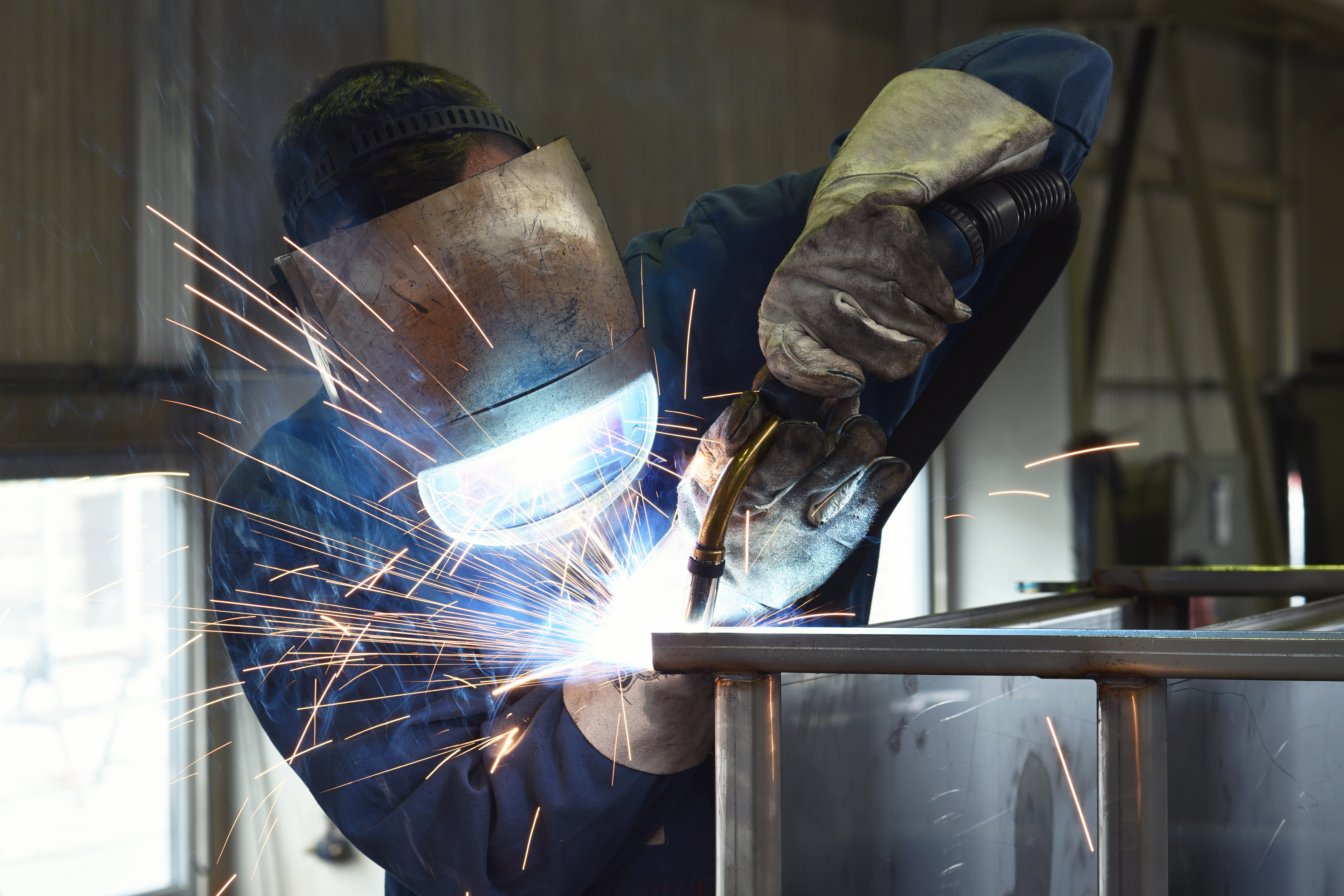







Top-rated welders.

Get matched with top welders in Wheaton, MD

Enter your zip and get matched with up to 5 pros

Need a pro for your welding project in Wheaton, MD?

Select your specific project to find the pro for you.

TRUSTED BY WHEATON, MD HOMEOWNERS

  • Average homeowner rating star icon4.8
    Average homeowner rating
  • Verified reviews icon23
    Verified welding services reviews

Find Welders in Wheaton

Avatar for Seymore Welding & Mechanical
Seymore Welding & Mechanical
5.0(
8
)
Metal Structure or Object - Weld or Cut

Serving Wheaton, MD and surrounding areas

In business since 2005

Free estimates

Emergency services offered

"I needed creative additions welded to old exercise equipment. Work was done fast and as hoped for. Mr. Seymore then painted over the welds, and the equipment was ready for use in a few hours. I'd call for them again for welding projects."
Response time8 hrs
Response rate87%
Recommended by12%of homeowners
...
Showing 1-10 of 124
Welding questions, answered by experts

You should not do your own welding unless you have the proper training and experience. Most home electrical systems can only handle MIG welding, which creates weaker bonds than TIG welding and won’t work on certain metals or metal thicknesses. Both welding forms usually require the use of shielding gas, which can be dangerous to store at home. Additionally, welding machines create temperatures of over 3,000 degrees, and the sparks can blind you if you don’t have the proper equipment. As such, it’s usually better to hire a professional welder for your welding projects.

It will likely take an experienced pro less than an hour to install a ground rod, which is another reason why letting them handle the job is such a good idea. Safety concerns aside, it would likely take you much longer to install a ground rod if you decided to take this one as a DIY job.

Yes, you can cut up a box spring., but you’ll need to do so in layers. You can clear the fabric and fluff away to reveal the springs before removing them as well.

Cutting round ductwork requires precision and the right tools. A duct cutter, specifically designed for circular ducts, is ideal. First, mark the cutting line on the duct using a measuring tape and pencil. Then, position the duct cutter's blade on the marked line. Apply steady pressure, rotating the cutter around the duct. The sharp blade creates a clean, precise cut. Alternatively, a reciprocating saw with a metal-cutting blade can be used for larger round ducts. Ensure the duct is securely held in place while making the cut to prevent slips and maintain accuracy.

Your typical household tools will not cut a metal pipe. To cut a metal pipe, you’d need more specialized tools like a pipe cutter or circular saw. Do not attempt to use these tools without taking proper safety precautions and wearing safety gear. It’s usually safer to let a pro cut a metal pipe, especially if you’re not confident in your skills with a heavy-duty saw.

The Wheaton, MD homeowners’ guide to welding services

From average costs to expert advice, get all the answers you need to get your job done.