



Top-rated drywall pros.

Get matched with top drywall pros in Pocasset, MA

Enter your zip and get matched with up to 5 pros

Need a pro for your drywall service project in Pocasset, MA?

Select your specific project to find the pro for you.

TRUSTED BY POCASSET, MA HOMEOWNERS

  • Average homeowner rating star icon4.8
    Average homeowner rating
  • Verified reviews icon24
    Verified drywall services reviews

Find Drywall pros in Pocasset

Avatar for Ellis Drywall
Ellis Drywall
4.5(
134
)
Drywall - Repair - For BusinessDrywall - Install - For Business

Serving Pocasset, MA and surrounding areas

Approved

In business since 2013

Free estimates

Small jobs welcome

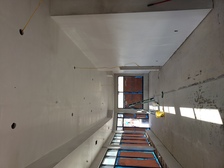
"Gary is very pleasant and professional to work with. Communication is great, pricing is fair and the quality of his work is top notch. The project he completed for me was taping/finishing the drywall in my 1500 sq ft 3 bedroom apartment with 9' ceilings. He was able to complete the job (and a few extra patches) in about 5/6 days by himself. Finished product is perfect and would definitely hire him again for any future work. Gary is very easy to work with and would recommend him to anyone looking for drywall work."

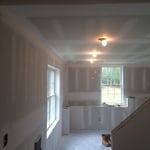
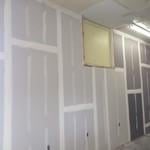
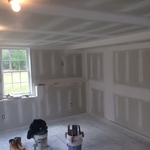
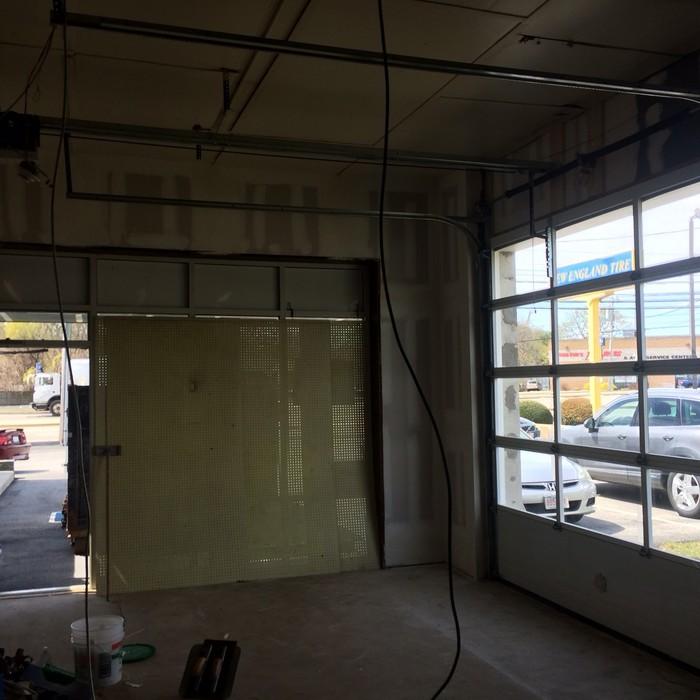
 Car Dealership Drywall Job
 Basement Job i Finished
 Car Dealership job
 Basement Job
 Car Dealership Job

+6

3 neighbors recently requested a quote
Recommended by98%of homeowners

Avatar for M Grigs Construction
M Grigs Construction
5.0(
39
)
Drywall - Repair - For Business

Serving Pocasset, MA and surrounding areas

Approved

In business since 1999

Free estimates

Credit card accepted

"Mike did a fantastic job finishing our basement—professional, on time, and great quality. The space looks amazing and was exactly what we wanted. Couldn’t be happier!"
Response time11 hrs
Response rate89%
6 neighbors recently requested a quote
...
Showing 1-10 of 147
Drywall questions, answered by experts

Plastering and skimming are two different techniques for finishing walls. Plastering involves applying a thick layer of a plaster mixture—typically containing gypsum, lime, cement, sand, and water—to create a new surface. This process often requires multiple coats and is used for repairing significant damage or creating decorative textures. Skimming, on the other hand, is a technique that involves applying a thin layer of drywall compound or joint compound over an existing surface to smooth it out, covering minor imperfections, small cracks, or uneven textures for a polished look. Plastering is generally more costly and labor-intensive than skimming. Although some people use the terms interchangeably, they refer to different processes and materials.

Drywall tape is made of paper, while drywall mesh is made of fiberglass or metal. Drywall mesh patches are suitable for repairing small holes in drywall, while paper drywall tape holds a crease better for corners. You need joint compound to adhere drywall tape to the wall, while mesh patches may be self-adhesive.

All plaster walls will crack over time due to normal house settling and expansion and contraction from temperature and moisture changes. Small, thin hairline cracks are generally not serious and are mostly a cosmetic issue. However, larger or more significant cracks can indicate structural problems.

Here's how to tell the difference:

  • Cosmetic Cracks: Cracks that are 0.5 cm (0.2 inches) or thinner are typically cosmetic.

  • Structural Cracks: Cracks wider than 0.5 cm, excessive or deep cracks, multiple cracks in the same area, or cracks that span around corners can signify a structural or foundation issue. Cracks along the joints where walls meet the ceiling also warrant attention.

For cracks wider than 0.5 cm, structural repair is needed. If a crack is 2.5 cm (1 inch) or wider, or if you notice any signs of a structural problem, it is best to contact a plaster repair professional to assess the damage.

If the holes in the plaster are small, you can fill them with layers of patching plaster until they’re filled. After it dries, you can sand the plaster and paint over it. If the hole is much larger, consider using bonding plaster first and then a layer of patching plaster, completing the process with sanding and a layer of paint.

Yes, a one-story house can have a load-bearing wall. The load-bearing walls in a single-story home are usually the exterior walls. If the house has a basement with exposed walls, the arrangement of the beams can help indicate what walls are load-bearing.

The Pocasset, MA homeowners’ guide to drywall services

From average costs to expert advice, get all the answers you need to get your job done.