
The cost to replace plaster with drywall can quickly add up. This guide will help you budget for this project and decide if it's worth the effort and cost.
Look, listen, and investigate to identify your wall type

Understanding the differences between plaster and drywall helps you make informed decisions when repairing, remodeling, or decorating your home's interior walls.
Homes built before the 1940s have plaster walls, while those constructed after the 1970s feature drywall, so your home's age narrows down what's behind your walls.
You can identify plaster walls by knocking on them and listening for a solid thump, while drywall sounds hollow when you tap it with your fist.
Hiring a local drywall professional provides reliable guidance on wall identification and helps you plan repairs or renovations that match your wall type perfectly.
You look at them daily, but do you know what material makes up your walls? Most interior walls are drywall or plaster supported by underlying wood studs. The plaster or drywall forms a solid surface you can paint, wallpaper, or cover with brick or wood veneer and customize to your tastes. If you aren’t sure what type of walls your home has, here are eight easy tips for how to tell whether they’re drywall or plaster.
Plaster was the standard before drywall, and most homes built before the ‘40s have plaster walls. However, your walls are most likely drywall if your home is newer—in other words, if it was built or extensively remodeled after the ’70s.
However, homes built in the ’50s and ’60s can have either, so you’ll want to investigate further. It’s a toss-up as to whether your walls are drywall or one of the popular types of plaster from that era. A drywall contractor can take a look and let you know which wall material you have in your home.
If your house was built within the last 30 years, odds are you have drywall. Drywall is more affordable than plaster, making it a popular choice in modern homes, whereas plaster has a classic look predominantly found in older and higher-end homes.
Tap walls lightly with your fist and listen closely. If the wall sounds hollow, it’s likely drywall. If it has a solid feel and doesn’t make much of a sound, or your knock sounds more like a thump, your walls are probably plaster.

Find a hidden or less obvious place and poke a pushpin or thumbtack into the wall. Drywall is softer than plaster, so pins will go in easily and won’t crack the surface. If you have a hard time pushing in the pin or the wall surface cracks, you have plaster walls.

You're probably looking at plaster if you can see cracks, flaking paint, or other imperfections. Plaster walls tend to form spider-web cracks or irregular cracks that run in various directions across the walls. Drywall or sheetrock® doesn’t crack—except between drywall sheet joints, so cracks tend to be straight in smaller, localized areas.
If your walls are flat and straight with 90-degree angles at every juncture, there’s a good chance there’s drywall on your walls. However, it may be plaster if your home has curved doorways, arched window openings, or thick, decorative surface swirls. Plaster walls can have an old-fashioned or handmade aesthetic, so they’re perfect for cottages, traditional-style homes, and homes with arches or rustic interiors.

If you don’t trust the other methods, or you still don’t know what type of wall you’re looking at, seeing is believing. Start by removing a light switch plate or electric socket plate so you can see what’s behind the wall. Then, use a flashlight to examine the internal wall construction.
If you see layers of plaster and wood with no paper backing, you’re looking at plaster walls. If you see layers of paper on either side of white gypsum rock or chalky-looking sheets, you've got drywall. Another tell is wiring: Wires behind drywall are enclosed in electrical boxes, while wires behind plaster are loose.

If your basement or attic is unfinished and you can look at the back of finished walls, you should be able to see whether the wall is plaster or drywall. Plaster walls have wood strips or laths with plaster between them and loose wiring. Alternatively, drywall looks like paper or board slabs attached to wall studs, and you’ll see wiring attached to electrical boxes.
If you’re still unsure whether your walls are made of plaster or drywall, contact drywall installers near you who can help. A pro can advise you on the best options for remodeling or repairing what you have.
Whether your walls are drywall or plaster doesn’t make a big difference in day-to-day life, as long as they’re in good condition. But when you’re hanging art, removing wallpaper, resurfacing, or considering moving or removing a wall, what lies beneath the surface might change the project and the outcome. Having that knowledge before you start can let you know what’s possible and how to move forward.
Drywall consists of gypsum plaster sheets pressed between thick paper. It’s easy to install and goes up and down relatively quickly. It’s also easier to wallpaper over, and it accepts nails and picture hangers without cracking or chipping. Additionally, drywall installation costs tend to be less expensive than plaster, and this option looks more modern and provides better insulation on exterior walls.
In comparison, plaster walls consist of strips of wood attached to wall studs, which contractors then cover with a mix of water and gypsum, lime, or cement. They’re thicker, denser, more expensive, and more time-consuming to install and tear down than drywall.
Plaster can also have a more high-end or old-world look and is better for soundproofing and fire resistance. However, decorating plaster walls can be more complicated than dealing with drywall, as plaster can crack or chip when you try to nail through it. Its rough surface is also harder to wallpaper over or paint evenly.
Cancelled appointment two hours after they were supposed to come for drywall work.
 Hutch And Sons Drywall Services
Cole has been handling plumbing and general contracting for our four properties over the past three years, and he’s always done a great job. Most recently, he installed a sink and countertop in our retail store where none existed before, and it turned out exactly how we needed. He’s...
 ANB Renovations LLC
I would recommend this company to anyone! He showed up on time, was friendly, completed a very difficult repair on our dryer vent cover, was responsive, and pricing was extremely fair and competitive. I would have him back to do any of our repairs or cleanings without hesitation!
 U.S.A. Dryer Vent, LLC
I cant stop admiring my newly painted walls. Custom Paint Jobs LLC made my house feel brand new.
 Custom Paint Jobs, LLC
Excellent experience with hiring Tether House to Mount our 77’ Samsung TV in our bedroom. Fast, friendly, and knowledgeable. Highly recommend.
 Tether House
Excellent customer service and knowledge. I was recommend to him from my neighbour. My front door and window came in great and were installed beautifully perfectly, I m very satisfied with their excellent work, so decided to order one more big bow window for my living room. I cant wait for...
 Window Depot USA of Central Ohio
Would hire again. Wall looks great. Happy with job.
 Central Paving
Involved an extensive bathroom remodel, including removing tub & installing walk in shower, new drywall, custome tile work to ceiling, plumbing, etc. Overall, job was done on time and on budget. Nick & his team were very professional and had high attention to detail. Quality was great. Highly...
 Stamos Flooring and Remodeling LLC
We have had a great experience with Rising Height for the past five years on a number of miscellaneous renovation projects. They laid flooring for us and had a very good sub do the finish. Installed drywall for a vaulted ceiling, finished an attic/loft with new subfloor, framing and drywall,...
 Rising Height Unlimited
Mr. Lopez was super nice and professional. He repaired our drywall just as he described during the estimate phase. Our dining room wall looks great again! Thanks Mr. Lopez!
From average costs to expert advice, get all the answers you need to get your job done.
The cost to replace plaster with drywall can quickly add up. This guide will help you budget for this project and decide if it's worth the effort and cost.
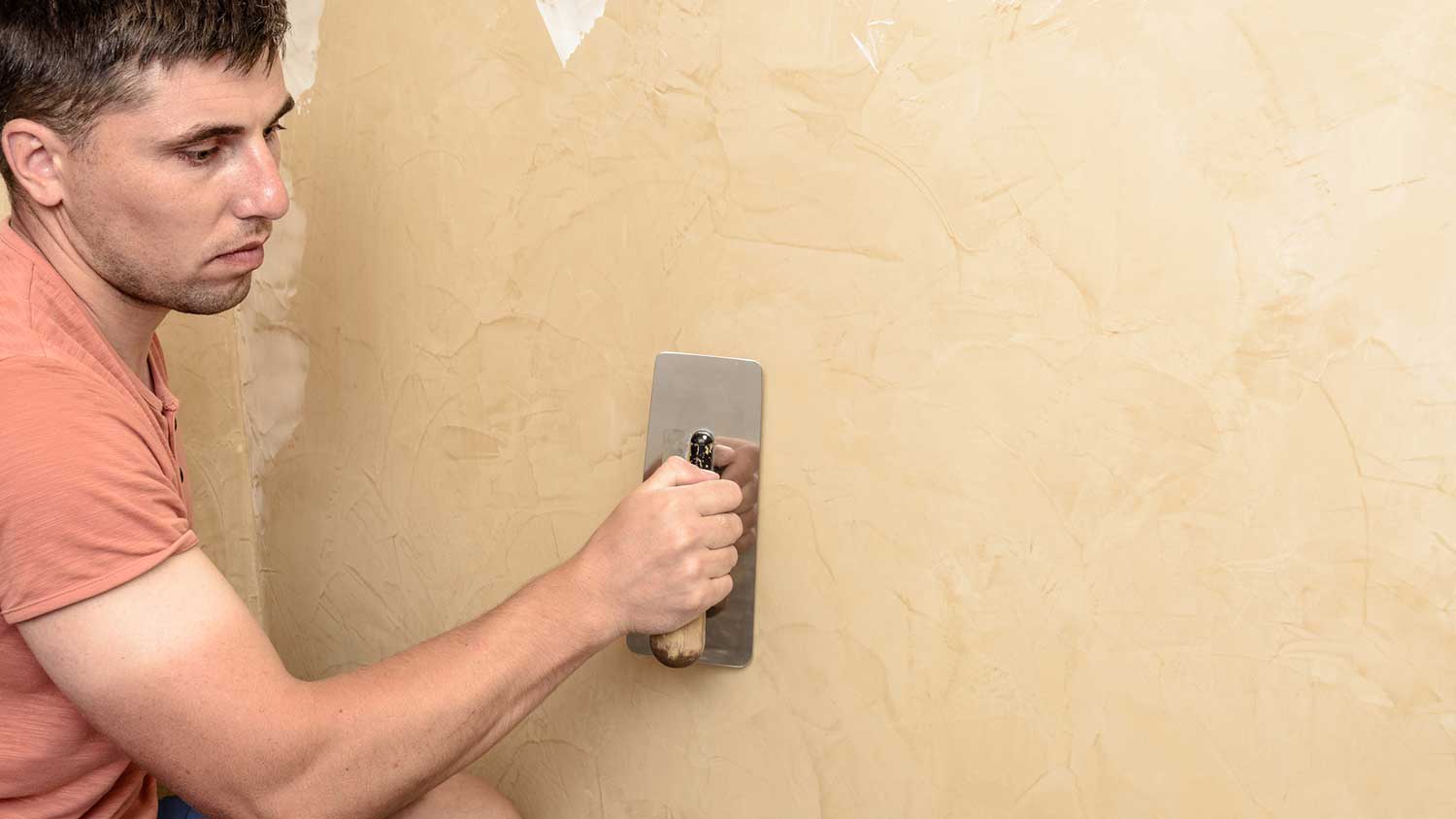
Drywall texture can create an attractive finish and add dimension to your home’s walls. This guide breaks down the factors that influence the cost to texture drywall.
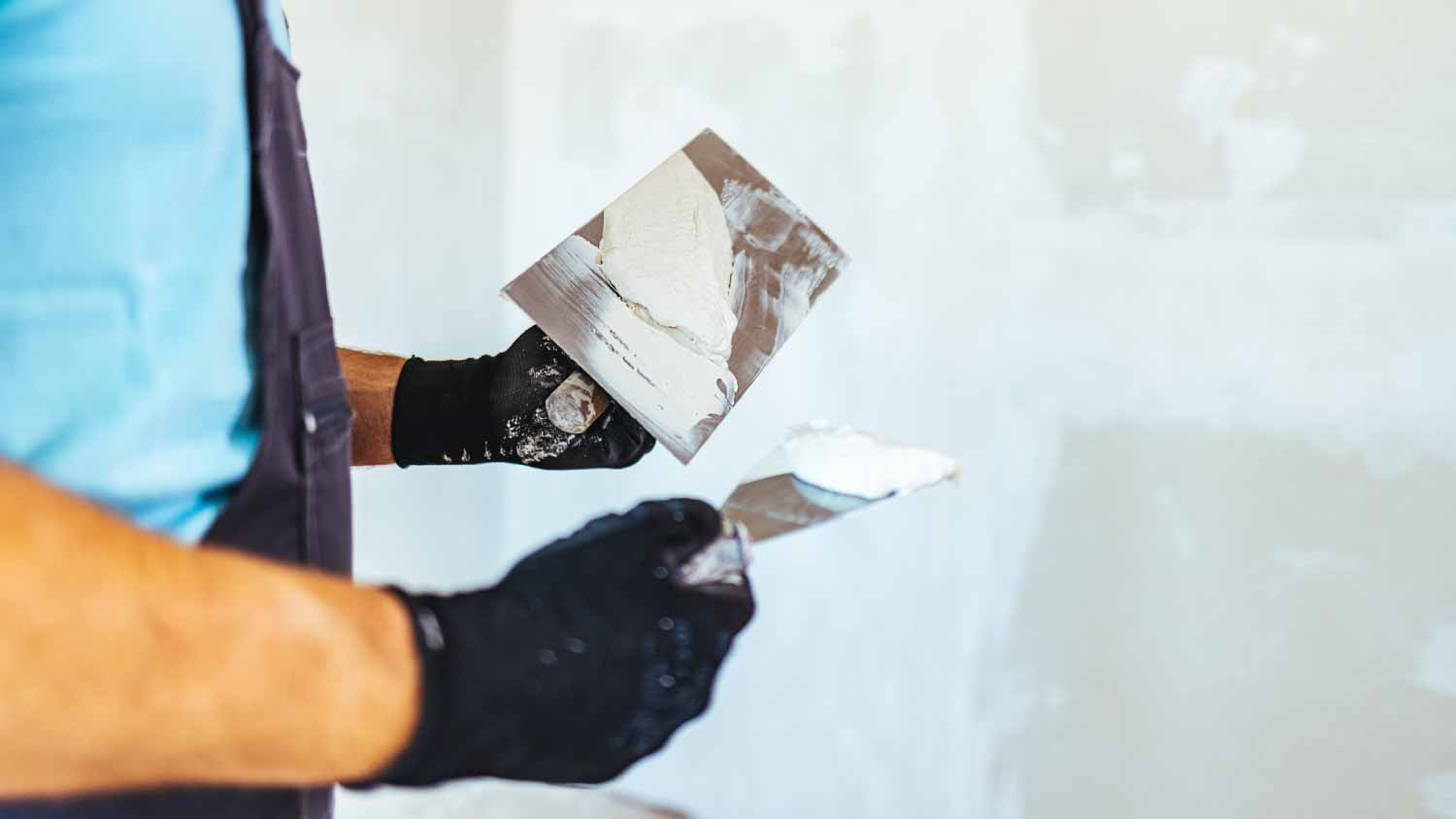
Plaster repair costs are determined by the size and type of damage. Discover why some fixes you can DIY and why some require a pro’s help.
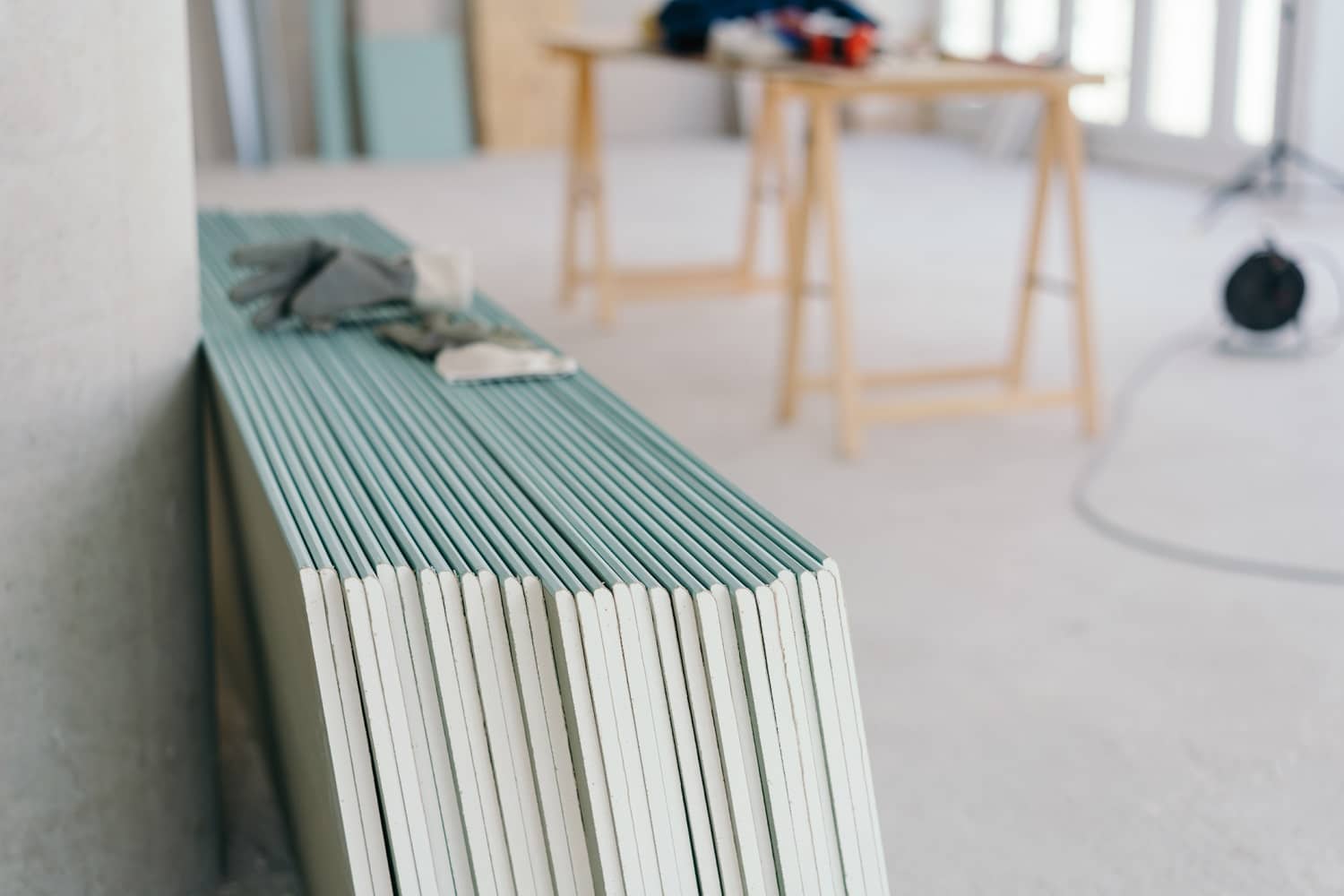
Understanding the plaster vs. drywall debate is key to giving your home’s walls the perfect finish. Learn more about the pros, cons, and costs with our advice.
If you purchased an older home, you may be wondering, can you drywall over plaster? You can, but our tips will show why you may not want to do it just yet.
How long does plaster take to dry? It depends. This guide shows you how long plaster needs to dry and cure and why the process is worth the wait.