



Top-rated drywall pros.

Get matched with top drywall pros in Forestdale, MA

Enter your zip and get matched with up to 5 pros

Need a pro for your drywall service project in Forestdale, MA?

Select your specific project to find the pro for you.

TRUSTED BY FORESTDALE, MA HOMEOWNERS

  • Average homeowner rating star icon4.9
    Average homeowner rating
  • Verified reviews icon41
    Verified drywall services reviews

Find Drywall pros in Forestdale

Avatar for Ellis Drywall
Ellis Drywall
4.5(
134
)
Drywall - Repair - For BusinessDrywall - Install - For Business

Serving Forestdale, MA and surrounding areas

Approved

In business since 2013

Free estimates

Small jobs welcome

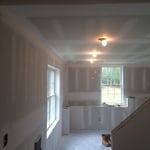
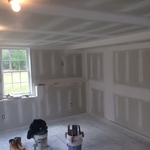
"Gary is very pleasant and professional to work with. Communication is great, pricing is fair and the quality of his work is top notch. The project he completed for me was taping/finishing the drywall in my 1500 sq ft 3 bedroom apartment with 9' ceilings. He was able to complete the job (and a few extra patches) in about 5/6 days by himself. Finished product is perfect and would definitely hire him again for any future work. Gary is very easy to work with and would recommend him to anyone looking for drywall work."
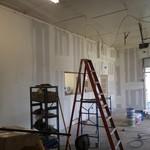
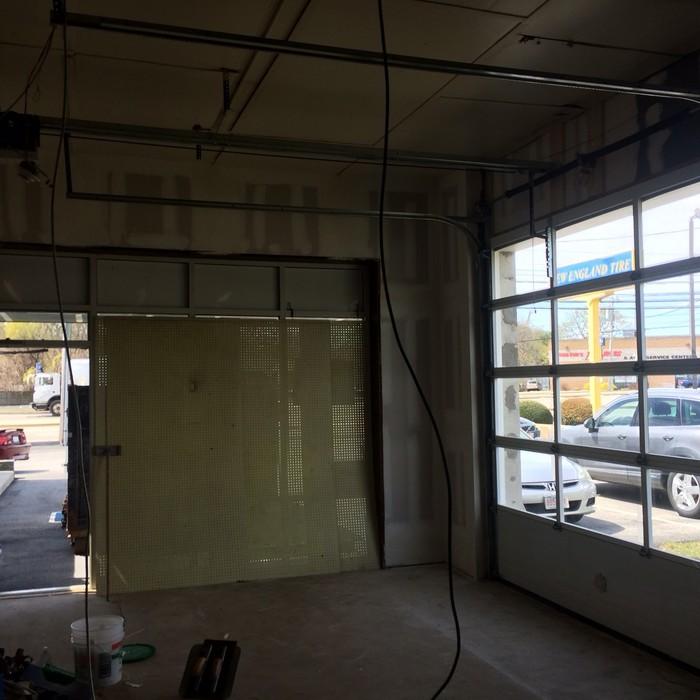
 Car Dealership Drywall Job
 Basement Job i Finished
 Car Dealership job
 Basement Job
 Car Dealership Job

+6

3 neighbors recently requested a quote
Recommended by98%of homeowners

Avatar for M Grigs Construction
M Grigs Construction
5.0(
39
)
Drywall - Repair - For Business

Serving Forestdale, MA and surrounding areas

Approved

In business since 1999

Free estimates

Credit card accepted

"Mike did a fantastic job finishing our basement—professional, on time, and great quality. The space looks amazing and was exactly what we wanted. Couldn’t be happier!"
Response time11 hrs
Response rate89%
6 neighbors recently requested a quote
...
Showing 1-10 of 140
Drywall questions, answered by experts

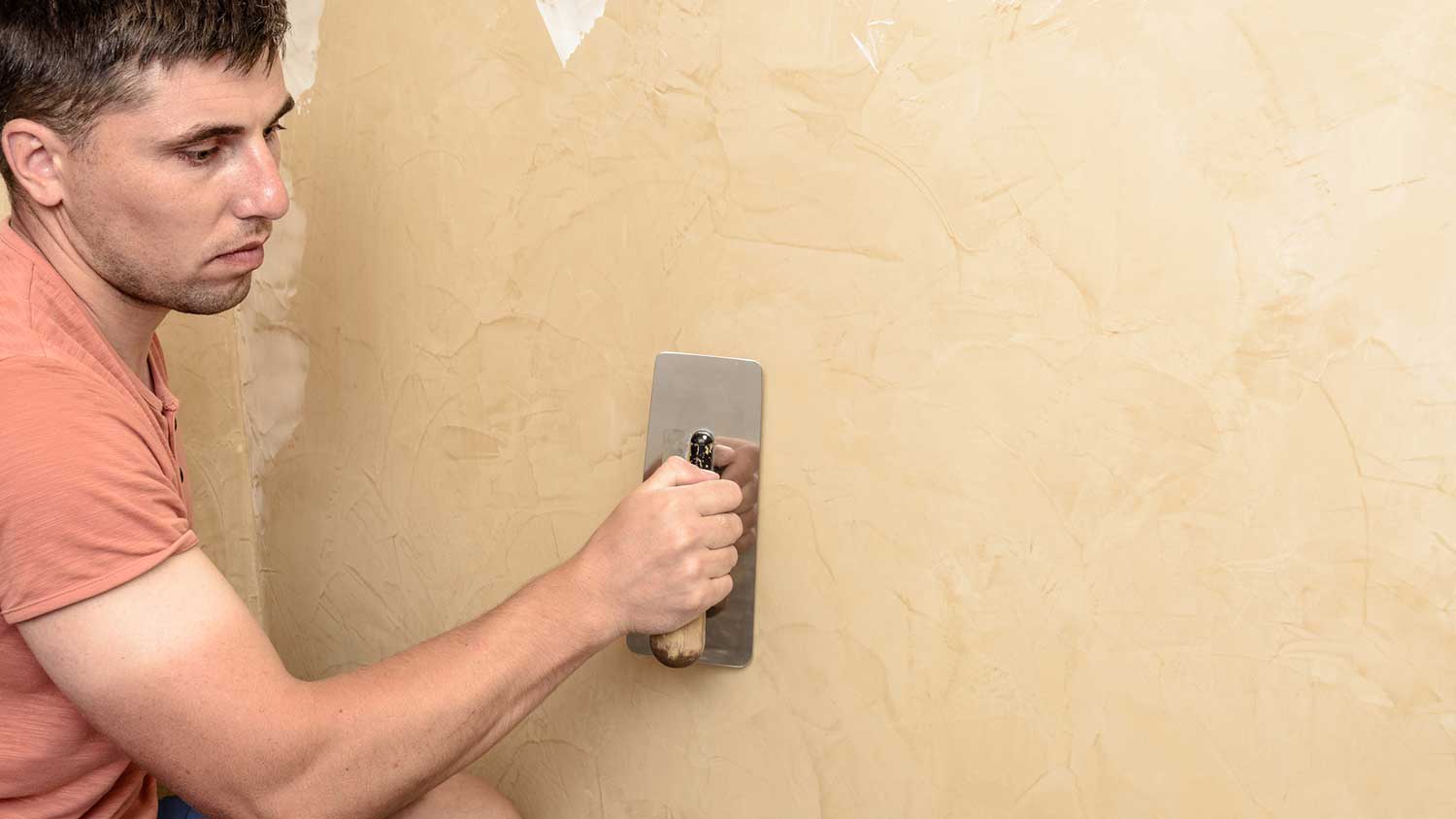
To properly clean and maintain your skip trowel drywall texture, dust the surface weekly with an electrostatic duster or vacuum with a soft brush attachment. Never scrub the surface. You can remove stains by gently applying a mild detergent solution with a paint roller, removing it with a damp roller, and drying with a dry roller. To cut down on cleaning frequency, avoid indoor smoking and limit the use of fireplaces.

Yes, you can apply new plaster over an existing plaster surface, such as a wall or ceiling, provided the old plaster is in good condition. Before you begin, check the stability of the existing plaster. The surface must be clean, free of loose material, and have no peeling paint. It is also recommended to roughen the surface slightly to promote adhesion. For older plaster, applying a base coat like a PVA emulsion or a specific bonding agent or primer is crucial. This step makes the existing plaster less porous and ensures the new and old layers adhere properly for a smooth, long-lasting finish.

Applying spackle is a simple DIY project that most people can complete in just a few hours. Even homeowners who have little DIY experience can complete this project in an afternoon. However, if you're uncomfortable with the project or don't have the time, you can always hire a pro to help.
Although they have similar applications, spackle and joint compound are not the same. Their primary differences lie in their composition, consistency, and ideal use cases.

Spackle is composed of gypsum and binding agents, making it thicker than joint compound. It dries quickly and is easy to sand, which makes it ideal for small wall repair projects like filling nail holes or patching minor damage.

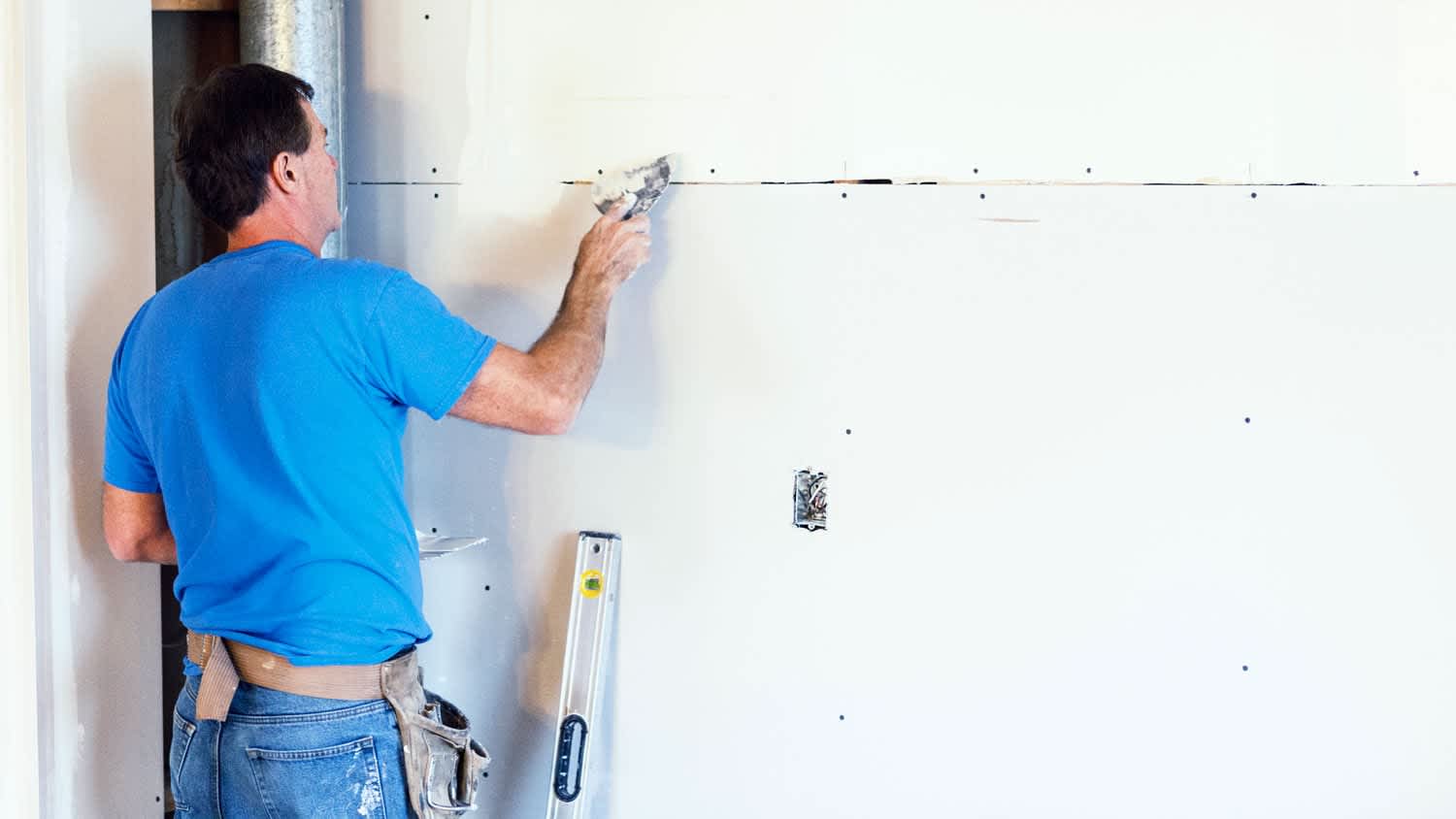
Joint compound, also known as drywall mud, consists of limestone and gypsum. It is primarily used for large-scale projects, such as taping and finishing the seams on newly installed drywall. It tends to shrink more than spackle and can be more difficult to spread.

While both products can be used to fill small depressions and cracks, spackle cannot replace joint compound for taping and mudding new drywall. Conversely, you can often use joint compound for small patching jobs typically done with spackle.

Drywall can be toxic to the environment and to humans in some cases. As drywall breaks down in a landfill and comes in contact with other organic chemicals, it can create hydrogen sulfide gas or leach into the groundwater. Additionally, the CDC recommends methods for controlling the inhalation of drywall dust when handled. While the common ingredients of drywall—gypsum, silica, and mica—are naturally occurring, they can cause irritation in some humans.

The Forestdale, MA homeowners’ guide to drywall services

From average costs to expert advice, get all the answers you need to get your job done.